The Valley of the Nobles is one of Egypt’s most fascinating archaeological treasures, located on the west bank of the Nile in Luxor. It may not be as famous as the Valley of the Kings or the Valley of the Queens, but this site offers something truly unique — an intimate look into the lives, beliefs, and artistry of the ancient Egyptian elite. Unlike the grand royal tombs, the tombs of the nobles reveal the everyday realities of those who served the pharaohs, showcasing remarkable paintings, inscriptions, and architectural details that illustrate a civilization both complex and beautiful. For travelers eager to explore ancient Egypt beyond the well-trodden paths, the Valley of the Nobles Egypt promises an unforgettable journey through history, art, and human legacy.
Location and Historical Background
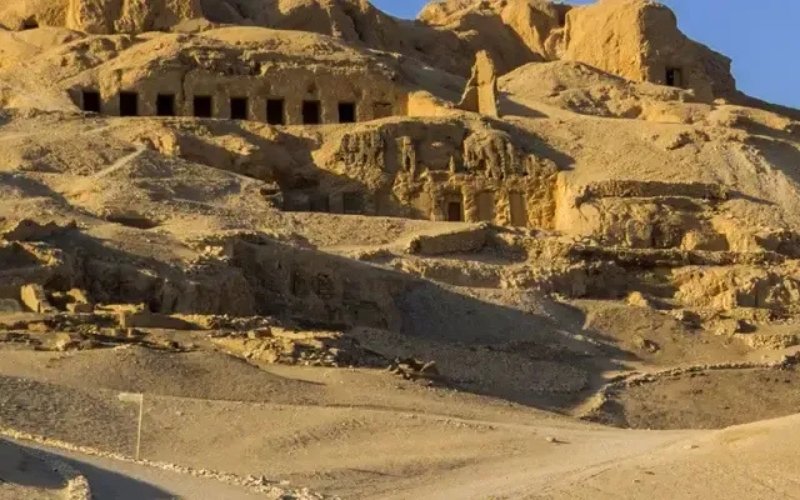
The Valley of the Nobles Luxor sits between the Valley of the Kings and the Valley of the Queens, forming part of the extensive Theban Necropolis. This region was the burial ground for courtiers, high officials, and dignitaries who held positions of influence during the New Kingdom period (1550–1070 BCE). The tombs in this noble valley were carved into the limestone cliffs that rise above the fertile plains of the Nile, offering both proximity to the sacred landscape and a sense of eternal connection with the gods.
Unlike royal tombs, which were hidden deep within the mountains to prevent looting, the tombs of the nobles were more accessible. They reflect the individual status and personal devotion of those interred within them. Many of these tombs belong to governors, scribes, priests, and artisans who played essential roles in maintaining Egypt’s vast empire. Their burial chambers were designed to celebrate both their achievements in life and their hopes for the afterlife.
When visiting Luxor, travelers often find that the Valley of the Nobles provides a quieter, more personal experience than the royal valleys. Each tomb is like a window into a specific moment in history — a nobleman’s pride, his family’s affection, or his faith in the afterlife. Together, they weave a vivid tapestry of ancient Egyptian civilization that continues to captivate archaeologists and travelers alike.
The Significance of the Valley of the Nobles in Ancient Egypt
The Valley of Nobles was not just a burial site; it was a statement of legacy. For the Egyptian nobles, to be buried close to their kings in Thebes was an honor that symbolized eternal service to the gods and the pharaoh. These tombs bridge the gap between the royal necropolises and the common burial grounds, giving insight into a class of society that was powerful, educated, and deeply religious.
What makes the tombs of nobles particularly fascinating is their individuality. While royal tombs focused on grandeur and divine authority, the noble tombs expressed the personal stories of Egypt’s elite. Wall scenes show nobles inspecting workers, attending banquets, hunting, and making offerings to the gods. These depictions are invaluable for historians because they portray daily life in ancient Egypt, from agriculture to craftsmanship, in stunning artistic detail.
Some of the most famous tombs in the Valley of the Nobles Egypt belong to Rekhmire, Menna, and Nakht. Rekhmire was a vizier — a powerful administrative officer who oversaw temples and building projects under Pharaoh Thutmose III. His tomb walls narrate his duties and moral values, offering a rare glimpse into the bureaucracy of the New Kingdom. Menna’s tomb, meanwhile, captures lush harvest scenes and displays of family devotion, while Nakht’s tomb stands out for its elegant artistry and vibrant colors.
Exploring the tombs of the nobles Luxor, visitors come face-to-face with painted images that remain vivid after thousands of years. The pigments, made from natural minerals, glow in reds, blues, and yellows that tell the stories of people who lived, loved, and believed deeply in the continuity of life after death. The valley’s significance lies not in its royal connections, but in its humanity — it celebrates those who served Egypt with intellect, faith, and skill.
Notable Tombs and Their Stories
The Valley of the Nobles Luxor contains over 400 tombs, though only a select few are open to visitors. Each tomb reflects the personality and achievements of its owner, and together they create a mosaic of ancient Egyptian society.
The Tomb of Rekhmire (TT100)
Rekhmire’s tomb is among the grandest in the nobles valley. Its walls depict him receiving foreign delegations, overseeing temple offerings, and managing craftsmen. The detailed scenes provide one of the best records of how Egypt interacted with neighboring lands, including Nubia and Syria. The hieroglyphs in this tomb also reveal ethical teachings and administrative principles that show how deeply Egyptian governance was tied to religion and morality.
The Tomb of Menna (TT69)
Menna was an official in charge of measuring agricultural land and collecting taxes — a vital role in maintaining Egypt’s wealth. His tomb is a masterpiece of artistic precision. Vibrant frescoes portray Menna’s life with his family, scenes of harvesting grain, and offerings to the gods. For travelers, this tomb often becomes a favorite, as its images of farming and family life feel strikingly timeless.
The Tomb of Nakht (TT52)
Known for its breathtaking color and grace, Nakht’s tomb celebrates both beauty and devotion. Nakht was a priest and astronomer, and his tomb’s walls depict banquets with music, dancing, and wine. The artistry in this tomb offers one of the most human glimpses of joy in the afterlife.
Other Remarkable Tombs
The tomb of Ramose stands out for its unfinished carvings, revealing the stages of ancient painting and relief work. The tomb of Sennefer, often called the “Tomb of the Vines,” features a ceiling covered in grape vines, symbolizing abundance and eternal life. Each of these tombs within the valley of noble tells a unique story — not just of death, but of life, art, and ambition.
Architecture and Artistic Mastery of the Tombs
The tombs of the nobles Egypt are architectural marvels that display both craftsmanship and creativity. Unlike the deep corridors of royal tombs, most noble tombs are simpler in structure — often consisting of a small courtyard, a decorated chamber, and a burial shaft. However, what they lack in scale, they make up for in artistry.
The walls of these tombs are filled with intricate reliefs and paintings that convey both the official duties and the private joys of the Egyptian nobleman. The artists used natural pigments, applying them over a thin layer of plaster. The vivid colors you see today — deep ochres, turquoise blues, and soft greens — were created from minerals such as malachite and ochre, mixed with natural binders that have stood the test of time.
In architectural terms, many tombs follow a “T” shape, representing the journey from life to eternity. The horizontal hall symbolized earthly existence, while the vertical passage led to the burial chamber, representing the transition to the afterlife. The ceiling decorations often depict stars, vines, or sacred symbols associated with rebirth.
These artistic masterpieces also show Egypt’s deep understanding of perspective, proportion, and symbolism. The nobles in Egypt viewed art not as decoration, but as a sacred act that ensured their spirit’s safe passage. Modern visitors often describe standing inside these tombs as stepping into a timeless world where color, story, and faith blend seamlessly.
Daily Life of Ancient Egyptian Nobles
To understand the Valley of the Nobles, one must understand the lives of the people buried there. The ancient Egypt nobleman was more than just a high-ranking official; he was an intermediary between the pharaoh and the common people, ensuring that temples were maintained, crops were harvested, and taxes were collected. Nobles also acted as patrons of the arts, literature, and education.
Their homes, often located near Thebes, were richly furnished and decorated, reflecting their taste and status. They enjoyed luxuries such as fine linen, perfumes, jewelry, and elaborate feasts. Scenes in their tombs show musicians, dancers, and servants attending to their needs, not as vanity, but as symbols of the life they hoped to continue in eternity.
Family played an essential role in noble life. Women were highly respected, often depicted beside their husbands in tomb scenes, showing affection and partnership. The Egypt nobles valued harmony, moral conduct, and devotion to the gods. Education was crucial; many nobles could read and write hieroglyphs, a skill reserved for the elite. They studied astronomy, mathematics, and theology, contributing to Egypt’s golden age of innovation.
Through their artistry and leadership, these tombs of nobles preserve not only their memories but also the essence of Egyptian culture — one that celebrated both earthly success and divine order.
Visiting the Valley of the Nobles Today
Visiting the Valley of the Nobles Luxor today is an experience filled with wonder and tranquility. The site is located near the modern village of Sheikh Abd el-Qurna on the west bank of Luxor. While many tourists head straight to the Valley of the Kings, those who take the time to explore the nobles tombs Luxor are rewarded with less crowded, more intimate encounters with ancient history.
The tombs open to visitors vary periodically to help preserve their delicate paintings. Most tours include stops at the tombs of Rekhmire, Menna, and Nakht, each offering a different perspective on noble life. The paths leading through the vally of nobel (a common misspelling you might see on maps) wind between desert cliffs and small villages, adding a touch of adventure to the journey.
Photography is often restricted inside the tombs to protect the artwork, but the memories are unforgettable. Guides — often Egyptologists or experienced local experts — help bring the ancient stories to life, translating hieroglyphs and pointing out subtle artistic details that might otherwise go unnoticed.
For travelers planning a comprehensive exploration of Luxor, the vallée des nobles (as it’s known in French) offers a perfect complement to the nearby temples of Hatshepsut and Medinet Habu. Its serenity allows for quiet reflection — a chance to connect not only with ancient Egypt but also with the timeless human desire to be remembered.
Valley of the Nobles vs. Valley of the Kings and Queens
It’s natural to compare the Valley of the Nobles with the more famous Valley of the Kings and Valley of the Queens, but each serves a different purpose in Egypt’s cultural landscape. While the royal valleys symbolize divine power and eternal kingship, the noble valley tells the stories of those who made the kingdom function.
The Valley of the Kings features monumental tombs with deep corridors and chambers filled with spells from the Book of the Dead. The Valley of the Queens, meanwhile, focuses on royal women and their children. The tombs of the nobles Egypt, however, focus on individuality — administrators, priests, artists, and scribes whose daily efforts sustained the empire.
Architecturally, the nobles’ tombs are smaller and closer to the surface, yet their decorations often display more warmth and emotion. Scenes of family life, harvests, and social gatherings offer insights into the private world of the elite, making the site deeply relatable to modern visitors.
Many travelers find that visiting both the royal and nobles valley sites provides a complete understanding of ancient Egyptian society — from the grandeur of the pharaohs to the intricate lives of their trusted servants and advisors. The balance between these sites reflects Egypt’s belief in cosmic order, where every role, whether royal or noble, contributed to the harmony of the universe.
Travel Tips: Best Time to Visit, What to Expect, and How to Get There
If you’re planning a trip to Luxor, the Valley of the Nobles should be high on your itinerary. The best time to visit is between October and April, when temperatures are mild, making it easier to explore the desert landscape comfortably. Early mornings are ideal — not only to avoid the midday heat but also to experience the calm and golden light that enhances the beauty of the tombs.
Getting There
The site lies about 25 minutes by car from central Luxor. Most visitors cross the Nile by ferry or via the Luxor Bridge. You can hire a private guide or book a Valley of the Nobles tour through a local travel agency to gain expert insights into the tombs’ history and art.
What to Expect
Wear comfortable shoes, carry water, and be prepared for short climbs over uneven terrain. Entry tickets are purchased at the ticket office near the site, and tomb access rotates to protect the artwork. Some tombs require a separate ticket, but every visit offers something distinct.
Nearby Attractions
Combine your visit with the Temple of Hatshepsut, Medinet Habu, or the Ramesseum for a full-day exploration of the Theban necropolis. Many tours also include stops at local workshops and traditional Egyptian cafes, allowing visitors to experience both the ancient and the contemporary charm of Luxor.
Traveling through the Valley of the Nobles Egypt is not just sightseeing — it’s an encounter with the spirit of a civilization that continues to inspire awe across millennia.
Why Add the Valley of the Nobles to Your Egypt Itinerary
For travelers seeking authentic and meaningful experiences, the Valley of the Nobles offers something rare — a human story told through art, architecture, and devotion. Each tomb embodies the legacy of people who lived with purpose, served their kingdom with integrity, and believed in eternal harmony.
Unlike the vast, imposing atmosphere of the royal tombs, the tombs of the nobles Luxor invite visitors into intimate chambers where ancient colors still glow and emotions still resonate. Standing inside one of these tombs, you can feel the presence of the artists and noble families who created them over 3,000 years ago. It’s a journey that goes beyond monuments; it connects you with the essence of life, faith, and artistry.
Whether you are a history enthusiast, an art lover, or simply a traveler fascinated by Egypt’s timeless allure, this valley of noble should be on your must-see list. As part of a well-organized Luxor tour, it offers a quiet contrast to the more crowded royal sites, giving you space to reflect and appreciate the brilliance of ancient Egyptian civilization.
When planning your Egyptian adventure, consider including a guided visit to the Valley of the Nobles. It’s an experience that will not only enrich your understanding of Egypt’s history but also leave you with a deep appreciation for the people whose lives shaped one of the greatest cultures in human history.