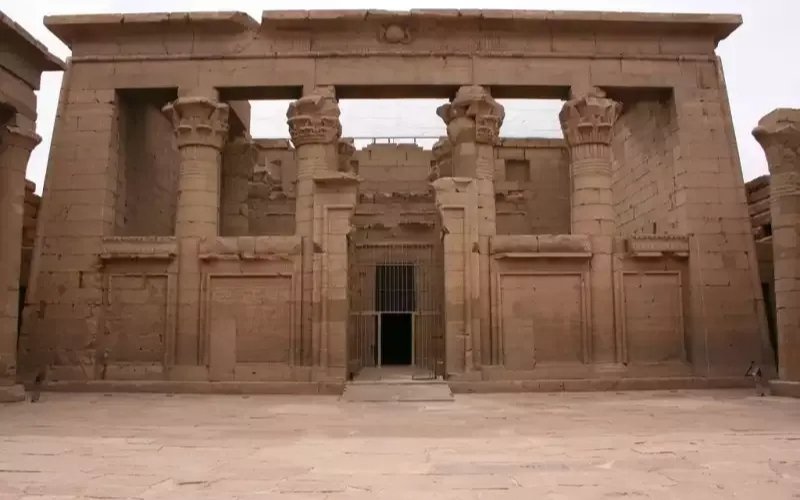
The Temple of Amada is one of the oldest and most remarkable temples in Nubia, located in Amada, Egypt. Built during the 18th Dynasty of ancient Egypt, this temple offers travelers an unforgettable glimpse into Pharaonic religious architecture and art. For those exploring amada temple egypt or seeking temple of amada photos, the temple stands as a testament to Egypt’s enduring cultural and historical legacy.
Situated along the western bank of the Nile, the Temple of Amada is part of the ancient network of Nubian temples relocated during the construction of Lake Nasser. Travelers wondering where is Amada will find it near the Aswan region, making it accessible as part of broader Nile and Lake Nasser excursions. Visiting the temple allows for immersive experiences in ancient Egyptian religion, architecture, and artistry.
Whether approached on a guided amada tour or as part of a temple of amada egypt itinerary, the site features intricate wall reliefs, vibrant inscriptions, and well-preserved structures. The Temple of Amada not only attracts history enthusiasts but also photographers, scholars, and curious travelers seeking a serene yet culturally rich destination.
History of the Temple of Amada
The Temple of Amada is among the oldest Egyptian temples, dating back to the reign of Pharaoh Thutmose III and later expanded by Amenhotep II. For visitors researching the oldest Egyptian temple or the amenhotep temple, Amada provides insight into early temple construction and religious practices in Nubia.
Originally dedicated to Amun and Re-Horakhty, the temple functioned as a religious center for local Nubian populations and visiting Egyptians. During the 19th Dynasty, Seti I restored and enhanced the temple, adding wall reliefs that celebrated pharaonic victories and divine worship. Travelers exploring temple amada or temple d’amada will notice the layering of artistic and cultural influences from successive dynasties.
Relocation efforts during the construction of the Aswan High Dam preserved the temple from flooding, ensuring that amada temple photos can capture its vibrant inscriptions and architectural brilliance. Understanding the temple’s history allows visitors to appreciate its importance not only as a religious site but also as a cultural bridge between Egypt and Nubia.
Location and Geography
Amada, Egypt is located along the Nile, north of Abu Simbel, within the region historically known as Nubia. Its proximity to Lake Nasser makes it accessible via Nile cruises, guided tours, or road travel from Aswan. Travelers interested in amada egypte or amana egypt will find this temple an ideal stop for a day trip or as part of an extended southern Egypt itinerary.
The temple sits on a plateau that provides natural protection, a common feature in Nubian temple design. Surrounding desert landscapes, Nile floodplains, and distant mountains create a picturesque setting for photography, cultural exploration, and outdoor adventures. Visitors can combine a trip to the templo de amada with other nearby historical sites, including Wadi es-Sebua and Dakka, enriching the travel experience with multiple layers of ancient Nubian history.
Whether approached by road, guided amada tour, or a Nile cruise, understanding the temple of amada location helps travelers plan logistics, including accommodations, guided excursions, and nearby amenities.
Architectural Features
The Temple of Amada is celebrated for its well-preserved architectural features, including sanctuaries, courtyards, and hypostyle halls. Its walls are adorned with intricate hieroglyphic inscriptions, depicting religious ceremonies, pharaonic achievements, and divine rituals. Visitors exploring amada temple will notice depictions of pharaohs interacting with gods, reflecting the temple’s spiritual significance.
The use of sandstone blocks and the careful planning of axial alignment demonstrate the precision of 18th Dynasty construction techniques. For photographers seeking temple of amada photos, the vibrant reliefs, painted ceilings, and monumental gateways provide stunning visual subjects. Temples such as amada tempel in older texts highlight the site’s significance in early studies of Egyptian architecture.
The interior of the temple, often referred to as egyptian temple interior, includes multiple chambers designed for ritual purposes. Columns, pylons, and sanctuary spaces are decorated with religious symbolism, providing visitors with insight into both the ceremonial and administrative roles of the temple. The blend of artistry, religious function, and strategic design makes the Temple of Amada a prime example of ancient Egyptian ingenuity.
Cultural and Religious Significance
The Temple of Amada was primarily dedicated to the gods Amun and Re-Horakhty, serving as a religious center for Nubian communities under Egyptian influence. For travelers interested in the nubian christian heritage and the continuity of sacred spaces, Amada provides a unique look at pre-Christian religious practices in the region.
The temple’s inscriptions and reliefs depict pharaohs performing rituals to honor the gods, emphasizing the intertwining of religion and governance. Visitors exploring temple of amada egypt will gain insight into how religion legitimized power and maintained social cohesion in ancient Nubia. The temple’s relocation during the Aswan High Dam construction preserved these cultural treasures for future generations.
Visiting the temple allows travelers to experience the spiritual atmosphere of a site used for centuries for worship, ceremonial offerings, and community gatherings. The Temple of Amada remains a key landmark for understanding the cultural and religious dynamics of ancient southern Egypt and Nubia.
Visiting the Temple of Amada
Planning a visit to the Temple of Amada is straightforward for travelers exploring southern Egypt. Many opt for amada tour packages from Aswan or incorporate the temple into Nile cruise itineraries. These guided tours offer historical context, insights into temple architecture, and access to photography opportunities.
Travelers should wear comfortable shoes for walking on uneven sandstone surfaces and bring sun protection due to the exposed desert environment. Visitors can also explore nearby sites such as Wadi es-Sebua and Dakka, which provide additional context for the temple’s religious and political significance.
For those interested in temple of amada photos, sunrise and sunset lighting enhances the temple’s reliefs and inscriptions. On-site guides provide detailed explanations of hieroglyphs, historical events, and pharaonic iconography, enriching the experience and ensuring travelers leave with a deep understanding of the site’s significance.
Nearby Attractions and Excursions
The Temple of Amada is part of a rich network of Nubian temples along the Nile and Lake Nasser. Travelers can explore temple d’amada alongside Wadi es-Sebua, Dakka, and Abu Simbel for a comprehensive journey through Nubian and Pharaonic history. Guided excursions often include transport, historical commentary, and stops for photography or short hikes.
Lake Nasser cruises frequently include Amada as a key stop, providing a combination of scenic beauty and historical exploration. Visitors can enjoy boat trips that highlight temple of amada egypt while observing the surrounding desert landscapes and Nile floodplains. Combining visits to multiple temples in one itinerary allows travelers to appreciate the continuity of religious practices and architectural styles across the region.
For cultural enthusiasts, exploring the temple in the context of Nubian history, including nubian 101, enhances understanding of how local communities interacted with Egyptian rulers, religious institutions, and the natural environment.
Preservation and Archaeology
The Temple of Amada Egypt is a prime example of successful heritage preservation. Its relocation during the Aswan High Dam project protected it from submersion, ensuring that future generations can experience this historical marvel. Archaeological studies have documented inscriptions, reliefs, and structural features, providing a wealth of knowledge about ancient Egyptian religion and governance.
Ongoing research at the temple includes studying the egyptian temple interior, analyzing pigments and carvings, and preserving structural integrity. Scholars and travelers alike benefit from these efforts, which maintain the temple as both a historical resource and a visually stunning destination.
Visitors to Amada can see firsthand the results of preservation and gain insight into the collaborative efforts required to safeguard Egypt’s ancient monuments. For those exploring amada temple egypt and surrounding sites, the temple stands as a model of heritage protection and archaeological scholarship.
Why Visit the Temple of Amada
The Temple of Amada offers travelers a rare combination of history, art, and spiritual significance. Its age, architectural beauty, and well-preserved reliefs make it one of the highlights of southern Egypt. Visitors interested in amada temple, temple of amada photos, or templo de amada will find a wealth of visual and educational experiences.
Whether approached on a Nile cruise, guided tour, or overland excursion, the temple provides an immersive experience for history enthusiasts, photographers, and cultural travelers. Its proximity to other Nubian temples and historical landmarks allows for a full day or multi-day exploration of the region.
For anyone visiting Amada, Egypt, the Temple of Amada is an essential destination that offers insight into ancient Egyptian religion, Nubian culture, and the ingenuity of pharaonic architecture.