The Egyptian Scarab Beetle And Its Meaning is one of the most fascinating subjects for travelers exploring the rich history of ancient Egypt. Known as the scarab beetle, this small but powerful symbol carries deep spiritual and cultural significance. Visitors often ask what is a scarab or scarab beetle meaning when they see the creature depicted in tombs, temples, jewelry, or museum artifacts. Its presence in daily life, royal iconography, and funerary practices illustrates why the scarab is one of Egypt’s most enduring symbols.
The scarab was not just a decorative motif; it represented transformation, protection, and the cycle of life. Egyptians observed the dung beetle rolling balls of earth, linking this behavior to the sun god Khepri, who was believed to push the sun across the sky every day. This connection gave rise to the scarab meaning egypt, making the beetle a powerful emblem of creation, rebirth, and divine oversight. Travelers visiting temples and tombs often see the scarab symbol alongside pharaohs and gods, reinforcing its role in ensuring order and protection in both life and death.
Beyond its connection to Khepri, the scarab spiritual meaning extended to personal protection, moral guidance, and the afterlife. Amulets and artifacts featuring the scarab beetle egypt were believed to safeguard the wearer from harm and guide them through transitions. Understanding these associations enhances the experience of exploring Egypt’s ancient sites, allowing travelers to appreciate not only the artistry but also the profound symbolism behind each scarab depiction.
From its presence in scarab beetle ancient egypt amulets to its depiction in temple reliefs, the scarab offers insight into the Egyptians’ worldview. Visitors who learn about the scarab symbolism before their trip can approach each artifact or mural with a deeper understanding, connecting with the spiritual and cultural narrative that shaped ancient Egypt.
Origins of the Egyptian Scarab
The scarab ancient egypt originates from the natural life and behavior of the dung beetle. Ancient Egyptians noticed that the beetle rolled balls of dung across the ground, mirroring the sun’s movement across the sky. This inspired a strong association with Khepri, the sun god responsible for the daily renewal of life. Consequently, the scarab meaning became linked to creation, rebirth, and the eternal cycle of life.
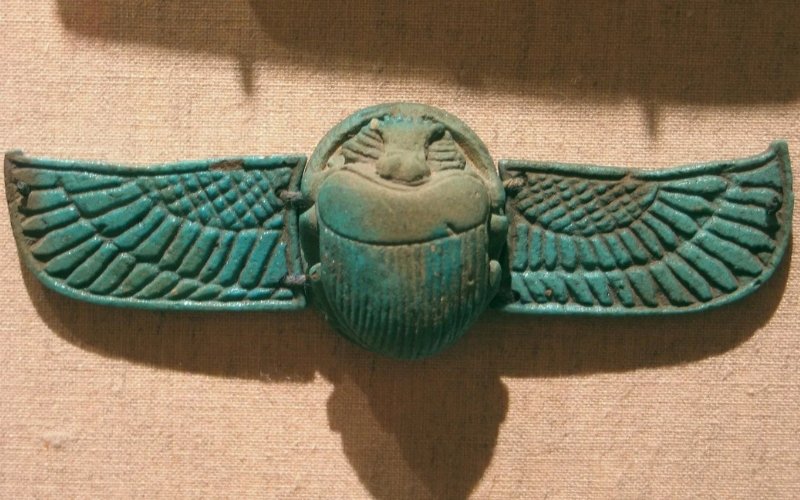
The scarab also served practical and spiritual purposes. It was used in amulets, jewelry, and as a motif in carvings to convey protection and divine favor. In royal contexts, scarab egyptian amulets were engraved with the names of pharaohs, demonstrating both political authority and spiritual oversight. The scarab beetle meaning extended beyond mere symbolism, representing a divine watchfulness and ensuring cosmic balance.
Travelers exploring sites like the Valley of the Kings or Karnak Temple will notice scarabs egypt in funerary settings, where they often accompanied mummies as a guide to the afterlife. The placement of these egyptian scarab beetle artifacts illustrates the Egyptians’ profound belief in the protection and guidance provided by these tiny yet powerful creatures.
The scarab’s origin as a symbol reflects a broader theme in Egyptian culture: using observations of nature to understand the cosmos and divine forces. The scarab symbol demonstrates how the Egyptians combined natural phenomena with spiritual belief, creating a symbol that endures in both art and culture for thousands of years.
Symbolism of the Scarab
The scarab symbolism encompasses protection, transformation, and the cycle of life. As a protective emblem, the scarab was thought to guard against evil spirits and misfortune. Ancient Egyptians carried scarabs or placed them in tombs to ensure safe passage into the afterlife. Travelers encountering scarab beetle symbolism in museums or temples gain insight into the spiritual mindset of ancient Egyptians and their belief in divine guardianship.
Rebirth and renewal were central themes in the scarab spiritual meaning. Egyptians associated the beetle’s daily activity with the movement of the sun and the perpetual cycle of life. The scarab beetle egypt represented not only physical protection but also spiritual regeneration, emphasizing the connection between human existence and cosmic order.
In royal iconography, scarab egyptian amulets signified divine favor and legitimacy. Pharaohs wore scarabs to demonstrate their protection under Khepri and alignment with cosmic forces. Travelers visiting Luxor Temple or Karnak will notice these symbols repeatedly carved into walls and jewelry, reinforcing the scarab’s role as a guardian of kings and ordinary people alike.
The beetle symbolism in Egyptian art goes beyond spiritual protection. It embodies creativity, resilience, and continuity. Each depiction, whether a small egyptian scarab amulet or a monumental temple carving, tells a story of life, renewal, and the divine connection between nature and the cosmos.
Scarabs in Funerary Practices
In ancient Egypt, the scarab beetle ancient egypt played a crucial role in funerary rituals. Heart scarabs, often inscribed with protective spells, were placed over the chest of mummies to safeguard the soul and ensure rebirth. Travelers visiting the Egyptian Museum in Cairo or tombs in the Valley of the Kings will find many examples of these amulets, each representing the profound belief in spiritual protection.
These amulets also served as a moral compass, guiding the deceased through the challenges of the afterlife. The scarab meaning egypt was associated with safeguarding the Ka, or life force, and ensuring the soul’s journey towards eternal life. Scarab beetle symbolism in these contexts illustrates the practical and spiritual significance combined in one small but powerful emblem.
Pharaohs and nobles often used larger scarabs in their burial chambers to symbolize authority and divine favor. Travelers exploring tombs can appreciate the meticulous craftsmanship of these egyptian scarab beetle artifacts, understanding their dual purpose: spiritual protection and reflection of social status.
Scarab in Art and Hieroglyphs
The scarab symbol frequently appears in Egyptian art and hieroglyphs. Artists depicted the beetle in carvings, papyri, jewelry, and temple reliefs. Each representation carries meaning, from protection to regeneration. The scarab beetle egypt often accompanies solar disks or divine figures, connecting the creature to Khepri and reinforcing its role as a symbol of the sun and life.
Visitors exploring sites like Dendera, Karnak, and Luxor can observe the scarab egyptian in various contexts. Sometimes it is a small amulet; other times, it is a monumental sculpture emphasizing divine power. Recognizing the scarab beetle meaning in different artistic settings enhances the travel experience, giving depth to what might initially appear as decorative motifs.
Variations of Scarab Designs
Scarab designs varied in size, material, and inscription. Some were engraved with pharaohs’ names, while others contained prayers or protective spells. The scarab beetle symbolism could reflect protection, rebirth, or royal authority, depending on the context. Travelers exploring scarab ancient egypt artifacts in museums will notice these variations and can better appreciate the thought and craftsmanship behind each piece.
Jewelry and ceremonial scarabs highlight the combination of aesthetic beauty and spiritual function. The scarab beetle ancient egypt demonstrates how a small object could carry immense symbolic and cultural weight, making it a fascinating subject for travelers and history enthusiasts alike.
Scarabs in Temples and Monuments
Temples, tombs, and monuments across Egypt prominently feature the scarab egyptian. Large carved scarabs were used to convey protection, divine favor, and the cyclical nature of life. Visitors to Karnak Temple, Luxor, and Saqqara will encounter scarab beetle egypt in wall reliefs, ceremonial objects, and decorative motifs.
The scarab symbol also appears in monumental sculptures, such as the Scarab of Amenhotep III at Karnak. Travelers can appreciate how these large depictions amplify the scarab’s spiritual and cultural importance, turning a small beetle into a symbol of cosmic order and divine protection.
Modern Interpretations and Travel Experience
The scarab spiritual meaning continues to inspire travelers, collectors, and spiritual practitioners. Visitors may find scarabs in museums, jewelry shops, and cultural exhibits. Understanding the scarab meaning egypt allows travelers to connect ancient symbolism with modern interpretations, enriching their experience in Egypt.
Guided tours often explain the scarab symbolism, highlighting its role in protection, renewal, and royal legitimacy. Travelers gain a deeper appreciation for how ancient Egyptians connected nature, spirituality, and artistry in one small emblem—the scarab beetle.
Scarab vs Other Egyptian Symbols
While the scarab represents renewal, transformation, and protection, other Egyptian symbols like the Eye of Ra or the ankh serve different purposes. The Eye emphasizes divine authority and vigilance, while the ankh represents life itself. Recognizing these differences helps travelers interpret hieroglyphs and temple art more accurately, providing a fuller understanding of Egyptian symbolism.
Scarabs in Spiritual and Cultural Contexts
Even today, the scarab meaning influences art, jewelry, and spiritual practices. Travelers who encounter egyptian beetle meaning or scarab beetle meaning in museums or souvenir shops can appreciate its enduring significance. The scarab connects the modern world with ancient Egyptian beliefs, bridging time, culture, and spirituality
The Egyptian Scarab Beetle And Its Meaning is a powerful emblem of protection, rebirth, and spiritual transformation. Whether encountered in tombs, temples, museums, or cultural artifacts, the scarab embodies ancient Egyptians’ profound understanding of life, death, and cosmic order. Travelers who explore these symbols gain a deeper appreciation of Egypt’s history, culture, and spiritual heritage, making every visit more meaningful.
The scarab is more than an insect—it is a symbol of resilience, divine connection, and the enduring legacy of one of the world’s most fascinating civilizations.