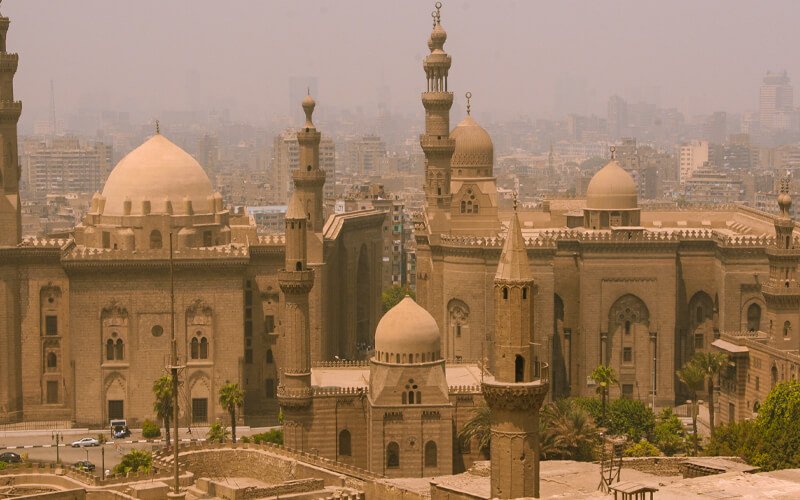
The Sultan Hassan Mosque stands as one of Cairo’s most magnificent Islamic monuments, attracting travelers from around the globe. Visiting this mosque is not only a journey into architectural brilliance but also a deep dive into Egypt’s rich Islamic history. Located in historic Cairo, the mosque has dominated the skyline for centuries, offering both spiritual and cultural insights to visitors.
Tourists exploring sultan hassan mosque cairo are immediately struck by its grand scale. It is considered one of the largest mosques in Cairo, with soaring minarets, vast courtyards, and intricately decorated interiors. The mosque’s combination of monumental architecture and artistic detail makes it a must-visit for travelers seeking authentic experiences in Egypt.
The mosque was built during the Mamluk era under Sultan Hassan in the 14th century. This historic period was marked by monumental construction projects, and the mosque exemplifies the Mamluk commitment to both religious devotion and architectural innovation. Visitors looking at the mosque of sultan hassan are captivated by its imposing façade, massive domes, and elaborate stone carvings.
For travelers joining sultan mosque tours, the experience goes beyond sightseeing. Guides provide historical context, explaining the mosque’s significance as both a place of worship and a center of Islamic learning. Inside, the vast prayer halls and multiple levels of the mosque reflect the careful planning and architectural mastery involved in its construction.
Exploring the masjid sultan hassan allows tourists to appreciate the spiritual and cultural dimensions of the mosque. The atmosphere of reverence, combined with the artistic grandeur, makes it one of the most memorable landmarks in Cairo. Whether visiting for history, architecture, or photography, the sultan hassan mosque egypt experience leaves travelers with a lasting impression of Cairo’s historic Islamic heritage.
History of Sultan Hassan Mosque
The sultan hassan mosque cairo is a historical masterpiece built between 1356 and 1363 during the Mamluk period. Sultan al-Nasir Hassan commissioned the mosque to serve both as a place of worship and as a madrasa for teaching the four Sunni Islamic schools of law. This dual purpose highlights the mosque’s central role in spiritual and educational life in medieval Cairo.
Historical records reveal that Sultan Hassan envisioned a structure that would reflect his power and devotion. The mosque’s scale and elaborate design were unprecedented at the time, making it one of the most ambitious architectural projects of the Mamluk era. Travelers exploring sultan hassan cairo can see how this grand vision was translated into soaring walls, monumental portals, and intricately carved facades.
Over the centuries, the mosque has survived political changes, earthquakes, and urban expansion. Despite these challenges, the masjid hassan remains remarkably well-preserved, offering insights into Mamluk architecture and urban planning. The mosque has been studied extensively by historians, and many travelers enjoy learning about its rich past on sultan mosque tours.
The mosque’s history also reflects the broader development of Cairo as a center of Islamic scholarship. The establishment of educational institutions within the mosque complex turned it into a hub of learning, attracting scholars and students from across the Islamic world. Visitors exploring mosque sultan hassan today can appreciate its continued importance as a symbol of religious, cultural, and educational heritage.
By understanding the historical context, travelers gain a deeper appreciation for the el sultan hassan mosque as more than an architectural marvel. It represents a period of artistic innovation, religious dedication, and cultural growth, making it a landmark of enduring significance in Cairo.
Architecture and Design of Sultan Hassan Mosque
The sultan hassan mosque architecture is a marvel of Islamic design and engineering. Travelers visiting sultan hassan mosque cairo egypt are often awestruck by its massive scale and intricate details. The mosque features a vast rectangular courtyard surrounded by iwans (vaulted halls) and domes that create a sense of grandeur and spiritual elevation.
The main entrance of the mosque is a monumental portal adorned with elaborate stone carvings and inscriptions. Visitors exploring mosque of sultan hassan notice the precision of geometric patterns, arabesques, and calligraphy that exemplify Mamluk artistry. The mosque’s minarets rise high above the surrounding buildings, offering a commanding view of Cairo’s historic district.
Inside, the mosque’s prayer hall is expansive, capable of accommodating thousands of worshippers. The hall features intricately carved mihrabs, wooden doors with geometric motifs, and marble floors that enhance the sense of majesty. Travelers visiting masjid sultan hassan can observe how the interior design balances aesthetic beauty with functional considerations for worship and education.
The mosque’s architectural plan, known as the sultan hassan mosque plan, includes multiple levels, teaching spaces, and courtyards that reflect its role as both a madrasa and a place of worship. Each element of the design was carefully conceived to symbolize spiritual ideals while providing practical spaces for study and congregation.
For photography enthusiasts, capturing hassan el sharbatly mosque photos is a highlight. The interplay of light and shadow on the stone facades, domes, and arches creates dramatic visual effects. The mosque’s orientation and architectural symmetry make it ideal for both wide-angle shots and detailed close-ups, offering travelers countless photo opportunities.
The al sultan hassan mosque remains a pinnacle of Mamluk architecture, demonstrating innovative design, skilled craftsmanship, and a deep understanding of religious symbolism. For visitors, exploring the mosque is both an educational and awe-inspiring experience.
Visiting Sultan Hassan Mosque: Traveler Tips
Travelers planning to visit sultan hassan mosque egypt should consider several practical tips to maximize their experience. The mosque is located in historic Cairo, making it accessible as a standalone visit or as part of a larger tour of the city’s Islamic landmarks. Many visitors combine their mosque visit with nearby attractions such as the Citadel of Saladin or the Al-Rifa’i Mosque.
Early morning visits are recommended to avoid crowds and enjoy the soft lighting for photography. Comfortable shoes are essential due to the mosque’s expansive courtyards and stone floors. Modest attire is required, covering shoulders and knees, as the mosque remains an active place of worship. Travelers joining sultan mosque tours often find that guided explanations enhance understanding of the mosque’s history, architecture, and cultural significance.
Visitors should explore both the interior and exterior of the mosque. The largest mosque in cairo, as Sultan Hassan Mosque is often described, offers expansive courtyards, towering minarets, and elaborate domes that provide stunning photographic opportunities. Courtyard arches, marble floors, and intricate carvings make every corner worth exploring.
For those interested in cultural immersion, the mosque’s educational areas provide insight into its historical role as a madrasa. Travelers can learn about the four Sunni schools of Islamic law taught here and see how scholars and students once studied within the mosque’s walls. The masjid cairo area surrounding the mosque also offers vibrant street life, markets, and historic buildings, making it an ideal complement to the visit.
Whether joining sultan hassan nile cruise tours nearby or exploring the mosque on foot, travelers gain a rich understanding of Cairo’s Islamic heritage. By planning ahead, respecting local customs, and taking the time to observe details, visiting the masjid e hassan becomes a memorable and enlightening experience.