Siwa Oasis stands apart as one of the most captivating destinations in the Western Desert, offering an extraordinary blend of natural beauty, ancient heritage, and peaceful landscapes that stretch endlessly toward the horizon. Travelers seeking a place where history, authenticity, and untouched nature come together will find Siwa an unforgettable retreat. With shimmering siwa lake, surreal siwa salt lake, ancient temples, local traditions, and a calm that feels a world away from busy cities, the oasis attracts visitors who want meaningful, immersive, and culturally rich experiences. Whether you’re planning tailor made vacations Siwa and the Western Desert or exploring independently, this guide reveals everything you need to know to make the most of your journey.
The Essence of Siwa Oasis: A Paradise Shaped by Time
Siwa is one of Egypt’s most remote and distinctive communities, nestled deep within the Western Desert near the Libyan border. Although small in size, the oasis is vast in spirit, offering a layered story that blends nature, people, and centuries of tradition. Among the most fascinating siwa oasis facts is that the region remained isolated from the rest of Egypt for most of its history, which helped preserve its unique cultural identity. The language spoken by many locals—called Siwi—is Amazigh in origin rather than Arabic, giving visitors a rare opportunity to encounter a living culture that has stood resilient for generations.
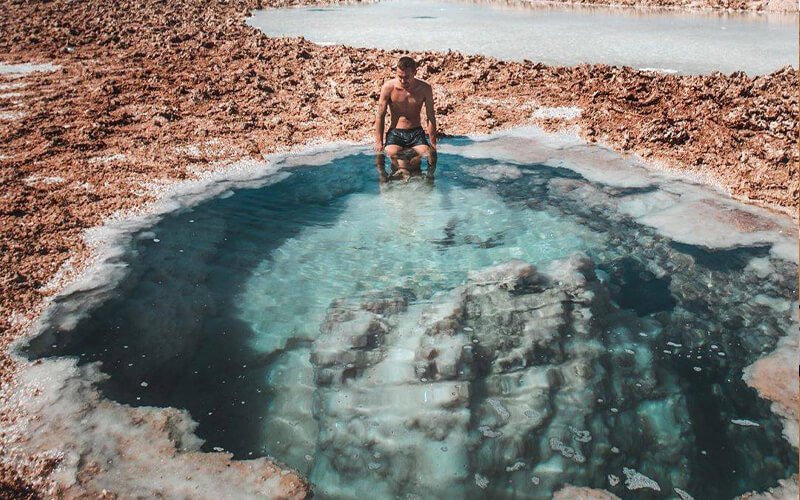
The landscapes of Siwa are unlike anywhere else in Egypt. The region is framed by palm groves, freshwater springs, and expansive salt formations, creating an incredibly photogenic environment. The famed salt lakes Egypt are among the most iconic features of Siwa. Their surreal turquoise colors against the pale desert sands make them one of the most memorable natural attractions for travelers seeking beauty that feels almost unreal. A visit to the salt lake Siwa oasis Egypt is often described as being inside a natural wonderland where the earth seems painted in unlikely colors.
Siwa’s cultural depth extends far into history. The oasis was once considered a place of divine wisdom, attracting travelers and rulers from across the ancient world. Among the most remarkable stories is the journey of Alexander the Great, who visited the Oracle Temple of Amun in siwa ancient Egypt. The temple still stands as a testament to Siwa’s spiritual and strategic importance in eras long before modern tourism. Travelers interested in archaeology, ancient spirituality, and desert civilizations find the oasis especially captivating because it offers tangible remnants of a distant past that have survived against all odds.
But beyond monuments and landscapes, what makes Siwa special is the gentle pace of life and the warm hospitality of its people. Walking through the old mud-brick structures, hearing stories from local guides, and exploring palm-filled pathways allows visitors to feel deeply connected to the environment and culture. The oasis invites travelers to slow down, breathe, and appreciate simple moments—something that most modern destinations struggle to offer. In a world full of noise, Siwa remains a quiet masterpiece.
Natural Attractions: Lakes, Springs & Salt Formations
Siwa is best known for its breathtaking natural features, especially its extraordinary lakes and mineral-rich pools. The siwa oasis salt lake formations create scenes so unique that many travelers describe them as dreamlike. These shimmering bodies of water are fed by underground springs and shaped by the oasis’s high salt concentration, giving them their signature hues of blue, green, and turquoise. Swimming in a salt lake Egypt lagoon is a refreshing experience, where buoyancy lifts your body effortlessly, making it feel almost weightless.
One of the most popular stops is lake Siwa Egypt, a place where the water reflects the surrounding desert dunes like a mirror. As the sunlight changes throughout the day, the colors of the lake shift, offering travelers endless opportunities for photography and quiet reflection. Further across the region lies the majestic siwa salt lakes Egypt, known for their mineral-rich water that leaves a natural, soothing effect on the skin. Visitors often spend hours floating peacefully, enjoying the sensation of complete relaxation while surrounded by the untouched desert landscape.
In addition to the lakes, natural springs such as Cleopatra’s Pool, the Mountain of the Dead springs, and remote desert pools attract visitors who want to unwind in warm, crystal-clear waters. These springs are fed by natural sources beneath the earth’s surface, creating refreshing spots perfect for cooling off after exploring the dunes or cycling through the oasis. Whether you choose to dip into the hot springs or the salt pools, the natural water systems provide a comforting break from the desert heat.
Another favorite destination is the siwa oasis lake region, where freshwater and salty pools sit side by side. Travelers seeking wellness often come here to experience the therapeutic properties of the mineral water. The salt formations around the edges of the pools are naturally patterned and create the illusion of crafted artwork—a testament to the earth’s ability to surprise and inspire.
The entire region is a paradise for photographers, nature enthusiasts, and travelers looking for places untouched by modern development. Many visitors describe the experience of sitting beside lake Siwa at sunset as one of the most peaceful moments of their trip to Egypt. Whether you’re on a short tour or planning tailor made holidays Siwa and the Western Desert, the oasis’ natural wonders promise a journey that is equal parts soothing and awe-inspiring.
Cultural Depth: Traditions, Heritage & Daily Life
Siwa’s culture is as rich as its landscapes, offering travelers a glimpse into a way of life shaped by tradition, community, and a deep connection to nature. The people of Siwa have preserved many elements of their heritage thanks to the oasis’ long period of isolation. One of the most fascinating aspects of Siwi culture is the local language, which belongs to the Amazigh family. While Arabic is widely understood today, the unique linguistic roots of Siwa remain a proud marker of identity among local families.
Daily life in the oasis revolves around agriculture, with palm groves and olive farms forming the backbone of the local economy. The dates and olives produced in Siwa are among the finest in Egypt, and you’ll find them incorporated into local meals, snacks, and traditional preserves. Many travelers appreciate the opportunity to visit date farms or olive presses to understand how natural resources have shaped Siwan life for centuries.
Siwa is also known for its handcrafted products. Berber-style jewelry, embroidered garments, pottery, and woven baskets showcase the artistic talents passed down through generations. These items make meaningful souvenirs while also supporting local families who rely on traditional crafts for their livelihood. Many travelers enjoy exploring Siwa’s small markets, where artisans display their work in open-air stalls surrounded by mud-brick shops and palm-frond roofs.
The oasis is rich with festivals, rituals, and community events. One of the most celebrated traditions is the annual “Siyaha Festival,” a gathering focused on unity, peace, and renewal. Locals and visitors come together in a beautiful display of harmony, emphasizing gratitude and reconciliation among families. Although the festival’s roots are ancient, it remains a powerful symbol of the oasis’ cultural depth.
Heritage sites are also abundant throughout Siwa. The ancient fortress of Shali, built entirely from karsheef (a mixture of salt and clay), stands as a reminder of the architectural ingenuity developed to adapt to desert conditions. Wandering through the ruins offers insights into Siwan life before modern influences reached the region. Together with the Oracle Temple, the Mountain of the Dead tombs, and ancient rock carvings, these sites form a cultural trail that captivates visitors interested in history and anthropology.
Siwa’s cultural experience is immersive, warm, and authentic. Travelers consistently highlight the hospitality of local families, the calm rhythm of life, and the opportunity to witness a community that values tradition while welcoming visitors with kindness.
Adventure & Exploration Across the Western Desert
Siwa’s remote location makes it the perfect starting point for adventures across the Western Desert. Travelers looking for excitement beyond traditional sightseeing will find the region ideal for desert safaris, dune bashing, sandboarding, and stargazing under vast, crystal-clear skies. The Great Sand Sea surrounds Siwa with towering dunes that stretch endlessly, creating a paradise for those who love exploring wide-open spaces.
One of the most thrilling activities is sandboarding. The dunes near Bir Wahed offer slopes perfect for both beginners and adventurous thrill-seekers. After sandboarding down the golden hills, visitors can relax in the natural hot spring located nearby—a wonderful contrast between desert heat and warm water. This combination of activity and relaxation makes the desert safari experience especially appealing.
Jeep safaris are another favorite. Local guides navigate through hidden landscapes, salt flats, and fossil areas that reveal evidence of ancient seabeds. The Great Sand Sea contains marine fossils more than 50 million years old, providing travelers with a surreal vision of Earth’s distant past. For visitors interested in geology and natural history, these tours offer educational depth alongside adventure.
At sunset, the desert transforms into a magical world of warm hues and silent beauty. Many travelers enjoy traditional Bedouin-style dinners in the desert, where freshly baked bread and grilled dishes are served beside firelight. The starry nights in Siwa are some of the clearest in Egypt, making stargazing an unforgettable part of the experience. Without city lights, the Milky Way stretches across the sky in full brilliance, leaving a lasting impression on travelers.
Visitors coming from coastal destinations often plan routes such as Hurghada to Siwa Oasis, which combine beach relaxation with desert exploration. This contrast—from the Red Sea’s turquoise waters to the Western Desert’s golden sands—creates a balanced and memorable travel itinerary. Those seeking personalized experiences often choose luxury vacation Siwa and the Western Desert packages, which include private tours, premium lodges, and customized activities.
Whether travelers join Egypt oasis tours or explore independently, Siwa’s desert environment offers a sense of freedom, discovery, and connection to the natural world. For adventure lovers, the oasis is a gateway to landscapes and experiences that feel far from ordinary.
The Salt Lakes of Siwa: Wellness, Beauty & Tranquility
The salt lakes of Siwa are among the region’s most recognizable attractions and have gained global attention for their beauty and therapeutic qualities. These lakes are fed by natural groundwater sources and enriched with high mineral content, creating a buoyancy level similar to the famous salt lakes found around the world. Floating in a siwa salt lake is a deeply calming experience, and many travelers describe the sensation as both soothing and rejuvenating.
The most famous lakes in the region include siwa lake Egypt, lake Siwa, and the concentrated pools near the salt evaporation areas. The minerals in these waters—especially magnesium and potassium—are believed to offer wellness benefits. Many visitors spend time relaxing by the lakeshore, letting the sunlight and desert breeze create a peaceful atmosphere. The bright, shimmering surface of the lakes is particularly beautiful during mid-day, when the sun enhances their turquoise and emerald tones.
The lake edges are surrounded by natural salt formations that look sculpted, with patterns and shapes formed by decades of evaporation. These formations give the landscape an almost otherworldly appearance, making the lakes a favorite destination for photographers and nature lovers. The reflections on the water create spectacular mirror-like images that highlight the surrounding palm groves and soft desert dunes.
For travelers seeking wellness experiences, visiting the salt lakes can be part of a refreshing and restorative journey. Some travelers spend hours floating calmly, allowing the water’s natural properties to soothe tired muscles and promote relaxation. Local guides often show visitors lesser-known lakes that offer more privacy and tranquility for meditation or quiet reflection.
The region is also home to siwa Egypt salt lakes, which attract visitors interested in the geological characteristics of high-salinity environments. Scientists and students often travel to Siwa to study the formation of salt crusts and unique mineral deposits that define the landscape.
Whether travelers are visiting as part of oasis tours Egypt or choosing tailor made vacations Siwa and the Western Desert, the salt lakes remain a highlight. Every moment spent near these natural pools enhances Siwa’s reputation as a place where nature’s calmness and beauty leave a lasting impression.
Ancient History: Mysteries, Temples & Timeless Stories
Long before Siwa became a beloved destination for modern travelers, it played an important role in ancient civilizations. Its remote location did not prevent it from becoming a center of wisdom, spirituality, and exploration. The most iconic historical site is the Temple of the Oracle of Amun, one of the most revered sanctuaries in siwa ancient Egypt. Ancient records recount that Alexander the Great traveled through the harsh desert to reach Siwa, seeking confirmation of his divine status from the oracle. This journey remains one of the most famous narratives connected to the oasis.
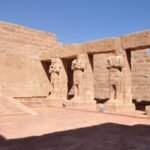
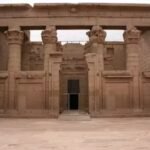
Visiting the Temple of the Oracle today is a powerful experience. Although much of the structure is weathered by time, its strategic location atop a rocky hill provides a commanding view of palm groves and shimmering lakes below. Walking among the ruins, travelers can imagine the footsteps of ancient leaders, merchants, and pilgrims who once came seeking wisdom.
Another essential archaeological site is the Mountain of the Dead, a hillside filled with rock-cut tombs dating to the Pharaonic and Greco-Roman periods. These tombs contain colorful murals depicting ancient funerary traditions and offer insights into the oasis’ connection with larger Egyptian civilizations. Many visitors are fascinated by how the tombs reveal layers of cultural exchange between Siwans and the outside world.
The ancient Shali Fortress is another highlight. Built entirely from karsheef—a local mixture of salt and clay—the fortress once protected the community from raids and sandstorms. Although partially collapsed due to heavy rains, its remaining towers and passageways offer a rare look into traditional desert architecture. Exploring Shali at sunset is a favorite experience, as the fortress walls glow warmly under the fading light.
History lovers often describe Siwa as a living museum. Unlike major cities, where modern development can overshadow ancient heritage, Siwa retains an authentic charm that makes its historical sites feel personal and approachable. Travelers can walk through ruins, interact with local guides whose families have lived in the oasis for generations, and gain an understanding of how Siwa’s identity developed over thousands of years.
For visitors planning Egypt oasis tours, the historical experience in Siwa adds depth to the journey, transforming it from a scenic adventure into a meaningful exploration of Egypt’s diverse cultural past.
Planning Your Trip: Best Time to Visit & Local Tips
Travelers heading to Siwa benefit greatly from understanding the region’s climate, accessibility, and local etiquette. The oasis is located in the Western Desert, meaning temperatures can be extreme depending on the season. The best time to visit is between October and April, when the weather is mild and pleasant. During these months, exploring the dunes, biking around the oasis, and spending time by the lakes are comfortable activities. Summers can be extremely hot, especially midday, but early mornings and evenings still offer enjoyable conditions.
Reaching Siwa requires planning, as it is remote compared to other Egyptian destinations. Many travelers choose combined itineraries, such as Hurghada to Siwa Oasis, which provide a mix of coastal relaxation and desert exploration. Others arrive from Cairo or Marsa Matrouh, with private transfers offering convenience for those who prefer a smooth and comfortable journey. Roads are well-maintained, and the scenic drive through the desert adds a sense of adventure to the trip.
When preparing for Siwa, travelers should pack light, breathable clothing suitable for desert temperatures. Comfortable walking shoes, sunscreen, sunglasses, and a hat are essential. While Siwa is conservative, it welcomes visitors warmly, and modest clothing is appreciated, especially when visiting villages or cultural sites.
The oasis offers a range of accommodation options, from eco-lodges built with traditional materials to boutique hotels and resorts designed for luxury vacation Siwa and the Western Desert travelers. Many lodges avoid using electricity in the evenings, relying instead on lanterns and candles to create a peaceful atmosphere that enhances the oasis experience.
Travelers should also consider booking tailor made holidays Siwa and the Western Desert for a seamless journey. These customized packages often include guided tours, desert safaris, transportation, meals, and cultural experiences designed to match personal preferences. First-time visitors often appreciate the guidance and insights provided by local experts.
Dining in Siwa is another memorable aspect of the trip. Traditional dishes include lentil soup, olives, stuffed vegetables, grilled meats, and fresh bread cooked in desert-style ovens. Many meals feature local produce, giving travelers an authentic taste of Siwan life.
Overall, preparing for Siwa with thoughtful planning ensures a comfortable, enriching, and enjoyable experience. The oasis rewards travelers who seek meaningful exploration and authentic cultural encounters.
Why Siwa Oasis Belongs on Every Traveler’s Egypt Itinerary
Siwa stands as one of Egypt’s most distinctive and rewarding destinations. While many travelers are familiar with the country’s ancient temples, bustling cities, or Red Sea beaches, fewer know about the peaceful charm and deep cultural heritage of this remote oasis. Yet those who make the journey often describe Siwa as the highlight of their time in Egypt.
What sets Siwa apart is its ability to offer a complete and balanced travel experience. The oasis provides natural beauty through its serene lakes, palm groves, and desert landscapes. The presence of sites like the Temple of the Oracle and Shali Fortress offers historical depth that rivals major archaeological destinations. Meanwhile, the local culture, traditions, and hospitality create warm, personal memories that stay with travelers long after they leave.
Visiting Siwa means stepping into a world where modern distractions fade into the background. Floating in the still waters of a siwa oasis salt lake, cycling through palm-lined paths, or watching the stars above the dunes creates a sense of calm that many travelers seek but rarely find. Siwa encourages mindfulness, appreciation, and a connection with nature that feels increasingly rare in today’s fast-paced world.
The oasis also appeals to travelers seeking adventure. Whether you’re joining a desert safari, sandboarding, exploring fossil areas, or hiking across dunes, Siwa brings excitement to every itinerary. Those planning Egypt oasis tours or tailor made vacations Siwa and the Western Desert can enjoy a curated combination of relaxation, culture, adventure, and history.
Because the region remains less commercialized than other tourist hotspots, travelers often feel like they’re experiencing an authentic slice of Egyptian life. Conversations with local families, visits to traditional markets, and moments of quiet reflection by siwa lake Egypt make the journey deeply personal and meaningful.
For travelers considering a unique, enriching, and unforgettable trip, Siwa stands ready to surprise and inspire. Every corner of the oasis—from its salt lakes to its ancient temples—reminds visitors that beauty exists in simplicity, nature offers its own kind of luxury, and the most memorable journeys are often found far away from the crowds.