Qasr Ibrim is one of Egypt’s most fascinating archaeological and historical sites, located on the western bank of Lake Nasser. For centuries, it has stood as a sentinel overlooking the Nile’s southern reaches, offering insights into Nubian, Egyptian, and Christian civilizations. Travelers visiting Qasr Ibrim Egypt will discover a blend of cultural heritage, ancient ruins, and breathtaking landscapes that make it a unique destination for history enthusiasts and adventurers alike.
For those wondering where is ibrim, Qasr Ibrim sits strategically between modern-day Aswan and the Sudanese border, providing a crucial link for ancient trade and military routes. The site has been continuously inhabited from Pharaonic times through the Christian and Islamic periods, making it a treasure trove for historians and archaeologists. Visiting qasr ibrim allows travelers to explore not only the architectural remnants but also the stories of Nubian Christians, ancient rulers, and desert communities that thrived here.
Accessible by kasr ibrim lake nasser cruise or guided tours from Aswan, Qasr Ibrim is part of the rich tapestry of sites along Lake Nasser. Its strategic location, combined with its impressive ruins and cultural significance, ensures that every visitor leaves with a deep appreciation for Egypt’s southern heritage.
History of Qasr Ibrim
Qasr Ibrim has a remarkable history spanning thousands of years. Initially established as a Pharaonic fortress, it later became a hub for Nubian kings and eventually a Christian stronghold. The site played a crucial role in controlling the Nile trade routes and served as a military garrison during various Egyptian dynasties. For those curious about nubian christian and christian nubia, Qasr Ibrim provides a rare glimpse into early Nubian Christianity and its architectural legacy.
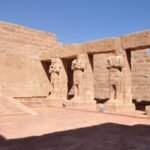
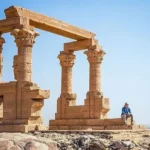
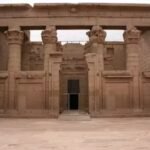
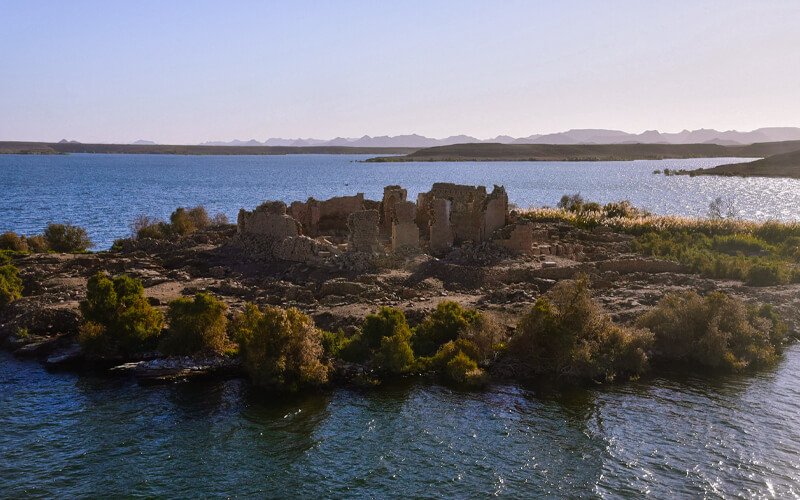
Throughout its history, the site remained inhabited, unlike many other Nubian monuments. This continuous occupation preserved a wealth of artifacts, inscriptions, and architectural features. Qasr ibrim ruins include fortifications, temples, and churches that reflect the changing cultural and religious influences over centuries. Visitors examining qasr ibrahim photos will notice the unique blend of Pharaonic, Nubian, and Christian elements, making it a living museum of Egyptian and Nubian history.
The strategic location of kasr ibrim ensured its survival even during periods of political turmoil. Ancient records indicate that it functioned as a key defensive position and administrative center. Understanding the historical significance of Qasr Ibrim enriches any visit, allowing travelers to appreciate the cultural layers embedded within this extraordinary site.
Geography and Location
Qasr Ibrim Egypt is situated on a steep, rocky promontory along the eastern edge of Lake Nasser, overlooking the desert and the Nile valley. Its elevated position provided natural fortification, which contributed to its long-standing strategic importance. Travelers interested in lake nasser ruins or exploring lake nubia will find Qasr Ibrim to be a prominent landmark along the lake’s northern reaches.
The site is accessible by road from Aswan or by organized kasr ibrim cruise ship tours on Lake Nasser. This dual accessibility allows travelers to enjoy the scenic beauty of the lake while approaching the historic citadel from the water, providing a unique perspective of the site’s natural and man-made defenses. The surrounding terrain includes desert plains, cliffs, and small oases, making it ideal for photography, hiking, and cultural exploration.
For those planning a visit, qasr ibrim location is easy to identify on maps of southern Egypt. Its proximity to other notable sites along Lake Nasser ensures that travelers can combine visits to Qasr Ibrim with excursions to Abu Simbel, Kalabsha, and other Nubian heritage landmarks. This combination of accessibility, geography, and historical prominence makes Qasr Ibrim a must-see destination for explorers of Egypt’s southern reaches.
Architectural Highlights
The citadel of kasr ibrim features an array of structures that reflect its multifaceted history. Visitors will encounter defensive walls, watchtowers, ancient temples, and early Christian churches that survived the centuries. The architecture provides insights into military strategy, religious practices, and daily life in this remote desert region.
One of the most remarkable features is the preservation of Christian churches, illustrating the influence of nubian christian culture in the area. Inscriptions, frescoes, and carvings reveal the adaptation of Egyptian and Nubian traditions into local religious practices. Qasr ibrim photos showcase these structures, highlighting the intricate stonework and strategic layout designed to withstand both natural and human threats.
The site also includes remnants of Pharaonic temples and fortifications, emphasizing its importance as a defensive and administrative hub. Exploring kasr ibrim allows travelers to see firsthand how different cultures left their imprint, blending architectural styles to meet both functional and ceremonial needs. Whether you are a history enthusiast or a casual visitor, the architectural richness of Qasr Ibrim provides a fascinating journey through time.
Cultural Significance
Qasr Ibrim holds deep cultural significance for both Egypt and Nubia. Its long-standing habitation means that it preserves traditions, customs, and artifacts that cannot be found elsewhere. Travelers interested in nubian 101 or the history of christian nubia will find Qasr Ibrim to be a critical location for understanding the spread of Christianity and Nubian culture along the Nile.
The site has been a focal point for trade, religion, and governance for centuries. Its churches and temples reflect the cultural synthesis of Pharaonic, Nubian, and Christian influences. Researchers and travelers alike can study inscriptions and artifacts to learn about daily life, religious ceremonies, and political structures in historical Nubia.
For modern visitors, Qasr Ibrim is not just a set of ruins—it is a living narrative of cultural endurance. Places to visit in Lake Nasser, including Qasr Ibrim, provide opportunities to connect with history, interact with local guides, and appreciate the resilience and creativity of ancient civilizations that thrived in this challenging environment.
Visiting Qasr Ibrim
Travelers planning a Qasr Ibrim trip should consider a combination of guided tours, boat cruises, and on-site exploration. Many visitors arrive via kasr ibrim lake nasser cruise, which allows for a scenic approach along the water and provides a unique view of the surrounding desert landscape. Guides offer insights into the site’s history, architecture, and cultural context, making the visit more meaningful.
Practical considerations include wearing comfortable footwear for walking over rocky terrain, bringing sun protection, and carrying water. The site’s remote location means facilities are limited, so planning ahead ensures a comfortable visit. Exploring lake nasser ruins and nearby landmarks can take a full day or more, depending on the depth of exploration desired.
For photography enthusiasts, sunrise and sunset over Qasr Ibrim provide stunning lighting for capturing the citadel against the backdrop of Lake Nasser. Visitors can also combine a Qasr Ibrim trip with excursions to Abu Simbel, Kalabsha, and other Nubian heritage sites for a comprehensive tour of southern Egypt’s historical treasures.
Qasr Ibrim and Lake Nasser Cruises
Many travelers explore kasr ibrim cruise ship options to combine sightseeing with leisure. Lake Nasser cruises allow visitors to enjoy the beauty of the lake while stopping at important archaeological sites, including Qasr Ibrim. These cruises often include accommodations, meals, and guided tours, providing a seamless travel experience for international visitors.
The combination of lake nasser ruins and lake-based exploration makes the cruise experience unique. Travelers can enjoy fishing trips, birdwatching, and desert excursions while moving comfortably between historic sites. The ms kasr ibrim and other vessels offer amenities that make extended trips both enjoyable and convenient.
For those curious about lake nubia or the northern stretches of Lake Nasser, these cruises provide unparalleled access to remote areas that are otherwise difficult to reach. A cruise adds both comfort and adventure, ensuring travelers gain a comprehensive view of the region’s cultural and natural heritage.
Preservation and Archaeology
Qasr Ibrim Egypt has been a focus of archaeological study for decades. Its continuous habitation preserved artifacts that have disappeared elsewhere, making it a key site for understanding Nubian history, Christian settlements, and Pharaonic influence. Excavations have uncovered manuscripts, pottery, and architectural elements that provide insight into the site’s past.
Conservation efforts ensure that qasr ibrim ruins remain protected from erosion, human impact, and the effects of the desert climate. Researchers work alongside local authorities to maintain the integrity of the site, allowing visitors to experience history in a relatively untouched state. Studying qasr irmedan, qasr ibrahim, and related sites adds depth to our understanding of regional history and Nubian culture.
For travelers, Qasr Ibrim offers not just scenic views and ruins but also an opportunity to engage with ongoing archaeological research. Learning about these preservation efforts enhances appreciation for the cultural and historical significance of this extraordinary site.
Why Visit Qasr Ibrim
Qasr Ibrim is a must-visit destination for anyone interested in history, archaeology, or Egyptian and Nubian culture. Its blend of citadel of kasr ibrim, churches, temples, and fortifications provides a rich tapestry of human civilization over thousands of years. Visitors can explore lake nasser ruins, witness Nubian heritage, and enjoy scenic views of Lake Nasser and the surrounding desert.
Whether approached via kasr ibrim lake nasser cruise, guided tours, or overland travel, Qasr Ibrim offers an unforgettable experience. Its strategic location, preserved structures, and cultural significance make it a highlight of any trip to southern Egypt. For travelers looking to connect with history while enjoying the natural beauty of lake nubia, Qasr Ibrim is an essential destination that combines education, adventure, and awe-inspiring landscapes.