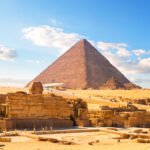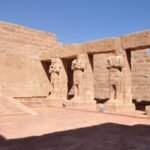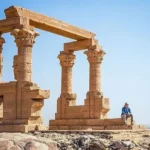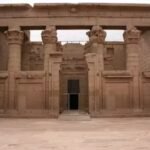
The Nubian Museum in Aswan stands as one of Egypt’s most captivating cultural landmarks — a living tribute to the spirit, history, and artistry of the Nubian people. For travelers exploring southern Egypt, the Nubian Museum Aswan Egypt is more than just a building filled with ancient relics; it’s a journey through time, connecting visitors to a civilization that flourished along the Nile thousands of years ago.
Located at the heart of Aswan, the Nubia Museum was established in 1997 in collaboration with UNESCO, following the massive Nubian monument rescue operation during the construction of the Aswan High Dam. The museum’s goal was clear: to preserve the culture, architecture, and identity of Nubia — an ancient region that once bridged Egypt and Sudan.
Inside the Nubian Museum in Aswan, travelers can admire over 3,000 artifacts that tell the story of human civilization from prehistory to modern Nubian life. From ancient Nubian statues to exquisite jewelry, tools, pottery, and models of ancient Nubian houses, every corner of the museum showcases the resilience and creativity of Nubian culture.
Visitors often describe their time here as an emotional experience — a rare opportunity to understand how the Nubians lived, worked, and thrived through centuries of change. The Aswan Nubian Museum not only represents a collection of artifacts but also symbolizes the unity between man, nature, and heritage.
For travelers booking with Luxury Trips To Egypt, this site is a must-see. It offers a blend of history, architecture, and emotion that captures the essence of Nubia Egypt. Whether you’re passionate about archaeology, art, or ancient civilizations, the Nubian Museum provides a one-of-a-kind journey that you’ll remember long after you leave Aswan’s sunlit banks.
Where Is the Nubian Museum Located?
If you’re wondering “where is Nubian?” or “how to find the Nubian Museum in Aswan?”, the answer is simple yet fascinating. Nestled in the southernmost city of Egypt — Aswan, the Nubian Museum lies at the gateway to Africa, near the eastern bank of the Nile River. Its precise location makes it a perfect starting point for exploring Aswan Egypt attractions such as the Philae Temple, Elephantine Island, and the vibrant Nubian villages.
Aswan, often called the “Pearl of the Nile,” is famous for its serene atmosphere, rich history, and welcoming Nubian people. It was once the capital of ancient Nubia, a region renowned for its gold, temples, and skilled builders. The Aswan Nubia Egypt area still carries traces of that glorious past — from its architecture to its local markets and colorful houses.
When you arrive at the Nubian Museum Aswan, you’ll find it beautifully positioned on a hillside overlooking the river. The surrounding landscape features granite rocks, palm trees, and desert sands — a natural reflection of Nubia’s rugged beauty. The museum’s outdoor spaces include gardens, sculptures, and models of ancient Nubian homes, allowing visitors to experience the environment that once shaped the Nubian civilization.
Nearby attractions such as the Aswan Botanical Garden, the Unfinished Obelisk, and the High Dam complement your visit perfectly. With Luxury Trips To Egypt, you can enjoy a full-day Aswan itinerary that combines these highlights with a guided tour of the Nubian Museum, ensuring you understand the full story behind every monument and relic.
So, whether you’re exploring the Aswan Nubian Museum on foot or as part of a Nile cruise, you’ll discover that the museum’s location is not only historically significant but also breathtakingly scenic — a perfect blend of heritage and natural beauty.
History and Foundation of the Nubian Museum
The story of the Nubian Museum begins with a challenge — and a triumph of global cooperation. In the 1960s, the construction of the Aswan High Dam threatened to submerge countless Nubian monuments and ancient Nubian cities under the rising waters of Lake Nasser. In response, UNESCO launched one of the largest archaeological rescue missions in history: saving temples, artifacts, and architectural wonders that would have been lost forever.
Among the most famous of these were the temples of Abu Simbel and Philae — monumental treasures relocated stone by stone. However, while the temples were saved, much of the Nubian homeland was not. Thousands of Nubians were displaced, and their villages disappeared beneath the lake. The Nubian Museum Aswan Egypt was later created as a memorial to this lost world and as a repository of the artifacts and traditions of Nubia Egypt.
The museum’s foundation in 1997 symbolized rebirth — a celebration of a culture that refused to fade away. Built with support from UNESCO and the Egyptian government, its architecture pays tribute to ancient Nubian design, using local materials that blend seamlessly into the surrounding Aswan landscape.
Inside, visitors journey through three levels of history: prehistoric Nubia, Pharaonic Nubia, and modern Nubia. Each section reveals the continuity and resilience of the Nubian people — from their early settlements and ancient Nubian statues to their contributions to Egyptian names, religion, and art.
The Nubian Museum thus stands not just as an archive of the past but as a living reminder of human endurance and cultural pride. It connects travelers with a world that once thrived along the Nile and continues to influence modern Nubian architecture and Nubian culture today.
Nubian Architecture and Design of the Museum
The design of the Nubian Museum itself is a masterpiece — a seamless fusion of ancient Nubian architecture and contemporary design principles. Built to reflect the topography and spirit of the region, the museum integrates with the rocky hills of Aswan in a way that feels natural, almost sculpted by the desert wind.
Architect Mahmoud El-Hakim designed the building with inspiration drawn from ancient Nubian homes, Nubian arch forms, and traditional Nubian houses Egypt. The structure employs sandstone, granite, and mud-brick textures that mirror the ancient Nubian architecture style. Domes, courtyards, and open corridors echo the designs of ancient Nubian monuments, allowing light and air to flow freely through the museum.
Visitors often remark on how the museum feels like a Nubian village in itself — with pathways that resemble old Nubian cities, water features symbolizing the Nile, and walls adorned with artistic carvings reminiscent of Nubian art and architecture. Every detail honors the craftsmanship of the Nubian builders, whose work once shaped temples, tombs, and cities throughout southern Egypt.
The outdoor exhibition area displays reconstructed Nubian houses, statues, and Nubian monuments in Egypt, offering travelers a tactile experience of how ancient Nubians lived. It’s a place where you can stand inside a beautiful Nubia house, observe its nubian design, and feel the authenticity of a civilization that valued both practicality and aesthetics.
For architecture lovers, this museum is a paradise. The blending of modern Nubian architecture with eco-friendly techniques ensures the structure remains cool and comfortable, reflecting both traditional ingenuity and modern sustainability.
With Luxury Trips To Egypt, you can enjoy guided tours focusing on Nubian architectural heritage, where experts explain the symbolism behind each design element, making your visit intellectually and visually enriching.
Inside the Nubian Museum: Collections and Treasures
Stepping inside the Nubian Museum feels like entering a living time capsule — every gallery and corridor unveils a piece of Egypt’s ancient soul. The museum houses more than 3,000 artifacts that narrate the complete story of Nubia, from prehistory to the modern era. Visitors encounter items that once belonged to pharaohs, queens, and the proud people of the ancient Nubian cities that thrived along the Nile.
The exhibition is arranged chronologically, beginning with prehistoric tools that show how early Nubians survived in harsh desert environments. As travelers move forward, they discover the splendor of Nubian temples, statues, and jewelry that once adorned royal courts. The museum’s galleries are illuminated softly to preserve these artifacts while allowing visitors to appreciate their fine details — from intricate carvings on ancient Nubian statues to golden amulets and pottery fragments that reveal everyday life.
One of the most impressive sections is dedicated to the Nubian monuments in Egypt that were relocated during the UNESCO rescue campaign, including scaled models of Abu Simbel and Philae Temples. These displays help travelers visualize how entire Nubian cities and ancient Nubian homes once lined the Nile before the flooding caused by the High Dam.
Photography enthusiasts will appreciate the Nubian Museum photos section, featuring images of the Nubian landscape before the resettlement. These rare photographs portray the warmth of the beautiful Nubian people, their colorful attire, and the unique Nubian culture clothing that remains iconic even today.
Don’t miss the hall dedicated to Nubian art and architecture, where pottery, textiles, and wall paintings celebrate the creativity and symbolism of the Nubian civilization. Each piece tells a story of pride, resilience, and beauty — from Nubian statues that guard ancient temples to modern sculptures reflecting Nubia’s eternal spirit.
For travelers joining Luxury Trips To Egypt, a professional guide will accompany you through each section, explaining the meaning behind the artifacts, the historical connections to Nubia Egypt, and the cultural continuity that makes Nubia a cornerstone of Egyptian identity.
The Nubian Culture: Traditions, People, and Daily Life
To truly appreciate the Nubian Museum, one must understand the heart of the Nubian people — their traditions, beliefs, and way of life. The Nubian culture Egypt is among the oldest and most distinctive in Africa. Known for their hospitality, artistry, and deep connection to the Nile, the Nubians have preserved their identity across millennia, despite the challenges of displacement and modernization.
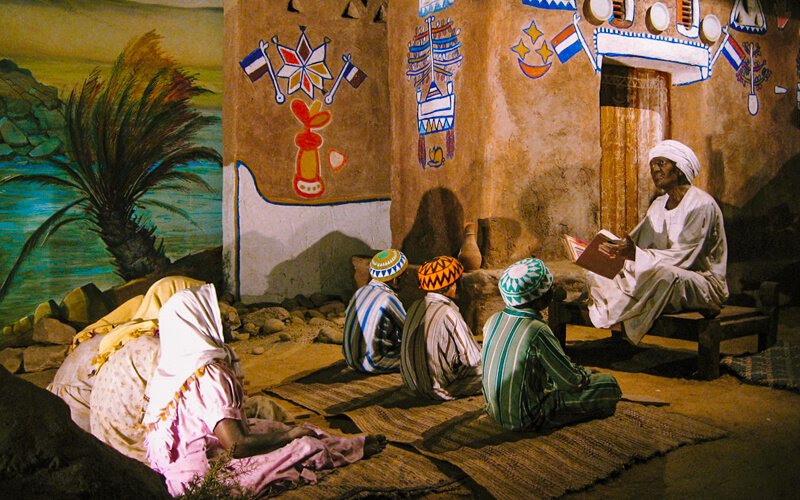
Inside the museum, several exhibits are dedicated to Nubian culture — showing traditional musical instruments, colorful textiles, and models of Nubian homes and ancient Nubian houses. Each display helps visitors imagine what life was like in the Nubian village, with its mud-brick architecture, open courtyards, and domed roofs designed to resist the heat. These homes, sometimes painted in vivid colors and decorated with Nubian art, stand as living symbols of pride and resilience.
The Nubian city was more than a collection of houses; it was a close-knit community where families shared everything — from food and festivals to songs and stories passed through generations. Beautiful Nubian people are renowned for their music and dance, often performed during weddings and celebrations. Their traditional clothing — loose, flowing garments in bright colors — reflects both comfort and elegance, blending practicality with cultural symbolism.
Nubians are also known for their mastery of craftsmanship — basket weaving, pottery, and jewelry making, all beautifully represented in the museum. The section on ancient Nubian home names and design illustrates how every household carried symbolic meanings tied to protection, fertility, and harmony.
Today, Nubian villages in Egypt continue to preserve these customs. Travelers visiting Aswan often find that the museum experience extends naturally into these real-life villages, where the hospitality of the locals leaves a lasting impression. The Nubians’ peaceful coexistence with nature, their gentle humor, and their generosity make every visitor feel like family.
With Luxury Trips To Egypt, you can explore both worlds — the curated beauty of the Nubian Museum and the authentic charm of Nubian villages. Together, they offer a full understanding of what it means to be Nubian — a people whose culture radiates warmth, creativity, and endurance.
The Nubian Village Experience — A Living Extension of the Museum
Beyond the museum’s walls lies a vibrant world that brings history to life — the Nubian village. Visiting a Nubian village in Egypt feels like walking into a painting filled with bright colors, cheerful people, and stories told through murals and songs. The villages located along the Nile, such as Gharb Soheil, offer travelers an authentic look into Nubian life today.
This Nubian village built by King Ramses II area and its descendants have carried the legacy of their ancestors with pride. Many of these settlements were reconstructed after the displacement caused by the Aswan High Dam, yet they continue to reflect the ancient Nubian architecture and the harmony of old Nubian homes.
A stroll through the Nubian villages reveals houses painted in turquoise, orange, and yellow hues, with geometric patterns symbolizing protection and prosperity. Locals are always ready to welcome guests with tea and smiles, inviting travelers to learn about Nubian culture clothing, crafts, and traditions.
Your guide to the Nubian villages will explain the symbolism behind the decorations and the cultural importance of hospitality. Many homes display small crocodiles — a traditional Nubian belief representing power and good luck.
For visitors wondering what is Nubian, these experiences offer a complete answer: to be Nubian is to live in harmony with nature, value community, and celebrate life through color, music, and art.
Some villages even host performances known as the Nubian show Egypt, featuring music, drums, and traditional dances that narrate ancient myths and local tales. The energy and rhythm make these shows unforgettable cultural highlights of any trip to Aswan.
With Luxury Trips To Egypt, travelers enjoy exclusive access to these Nubian villages, private boat rides along the Nile, and guided storytelling sessions with local families. It’s more than sightseeing — it’s a deep cultural exchange that connects you to the living heart of Nubia.
Practical Information: Opening Hours, Tickets, and Visiting Tips
Before visiting, it’s essential to know the Nubian Museum Aswan opening hours and practical details that ensure a smooth experience. The museum generally opens from 9:00 AM to 5:00 PM, though times may vary during holidays or special events. It’s recommended to visit in the morning or late afternoon to avoid the midday heat and enjoy the tranquil atmosphere of Aswan.
The Nubian Museum ticket price is very reasonable compared to its immense cultural value. As of recent years, the Nubian Museum Aswan ticket price for foreigners is around 100 EGP, with discounts for students and children. Tickets can be purchased at the entrance, but for the best experience, booking a guided tour with Luxury Trips To Egypt is highly recommended — our guides handle everything, including entry, interpretation, and transportation.
Travelers should wear light, comfortable clothing and bring water, sunscreen, and a hat, as Aswan’s weather can be quite warm throughout the year. Photography is allowed in most areas, but flash use is restricted to protect the artifacts.
Inside, the museum provides clear labels in both Arabic and English, helping visitors understand the historical context of each piece. Interactive displays and videos explain the rescue of Nubian monuments and the rebuilding of ancient Nubian homes, enriching your visit with multimedia storytelling.
After exploring, you can relax in the museum’s gardens — a peaceful area designed to reflect ancient Nubian architecture and the serenity of the Nile. From here, many travelers continue to the nearby Philae Temple or embark on a short boat ride to the Nubian village.
Visiting the Nubian Museum Egypt is best planned as part of a full Aswan itinerary, combining cultural exploration with leisure. With Luxury Trips To Egypt, your schedule will be arranged to include both the museum and nearby highlights such as the High Dam, Elephantine Island, and Nubia Island — making your day in Aswan seamless and memorable.
Nubian Museum and Aswan: A Cultural Journey Beyond Exhibits
While the Nubian Museum itself is a treasure trove of history, its location in Aswan makes it the perfect gateway to a broader cultural journey. The museum acts as the heart of the Nubian experience, linking visitors to Aswan Nubia Egypt, Aswan museum, and nearby historical landmarks.
Travelers exploring Aswan quickly learn that the city is famous not only for its museums but also for its ancient Nubian monuments, serene Nile views, and vibrant markets. A visit to the Nubia planet exhibition at the museum reveals the geography, astronomy, and daily life of the ancient Nubians, connecting visitors to both the local environment and centuries of civilization.
From the museum, travelers can venture to Nubia tours Egypt, exploring the Nubian pyramids inside temples, ancient statues, and reconstructed ancient Nubian homes. Boat trips to Nubia Island and guided tours of the Nubian village Hurghada bring this heritage to life, showing that Nubia’s influence stretches across Egypt’s southern regions.
The museum also connects visitors to the art and architecture of Nubia, showcasing modern Nubian architecture alongside ancient structures. Exhibits explain how Nubian design principles were used in city planning, temple construction, and residential homes, giving travelers insights into the civilization’s engineering and aesthetic brilliance.
By exploring the Aswan Nubian Museum and its surroundings, visitors gain a complete perspective of Nubian history and culture — from artifacts in climate-controlled galleries to living traditions in vibrant villages along the Nile. Booking a guided experience with Luxury Trips To Egypt ensures that travelers fully appreciate the connections between museum collections and real-world Nubian life.
Ancient Nubian Legacy in Modern Egypt
The influence of Nubia stretches far beyond its ancient borders, shaping modern Egypt in subtle yet profound ways. Ancient Nubians contributed to Egyptian names, religious practices, military achievements, and even architectural styles. Their heritage is preserved in ancient Nubian monuments, ancient Nubian statues, and models of ancient Nubian homes, all displayed in the Nubian Museum Egypt.
Visitors will notice that many Nubian cities were designed with strategic foresight. Temples, pyramids, and statues were arranged along the Nile to harmonize with nature — a practice mirrored in modern Nubian architecture and urban planning. The museum highlights how these ancient techniques influenced Egyptian builders, rulers, and artisans across centuries.
The Nubian legacy is also visible in the clothing, music, and social traditions of contemporary Nubian communities. Nubian culture clothing continues to inspire fashion designers, while music and dance traditions are celebrated in local festivals. This continuity reinforces the idea that Nubia Egypt is not just a historical region but a living, vibrant culture.
Exhibits such as the ancient Nubian home name and ancient Nubian home reconstructions allow travelers to step into history, understanding how daily life, architecture, and artistry reflected the values of the people. Museums and cultural tours bring these stories to life, showing that Nubian achievements in mathematics, art, and religion remain relevant today.
For travelers looking to explore deeper, Luxury Trips To Egypt offers specialized excursions to ancient Nubian sites, incorporating the museum experience with visits to temples, nubian pyramids inside, and local villages, ensuring a comprehensive and meaningful journey.
How Luxury Trips To Egypt Enhances Your Nubian Museum Experience
At Luxury Trips To Egypt, we specialize in crafting experiences that transform a visit to the Nubian Museum Aswan into a once-in-a-lifetime cultural journey. Our expert guides provide in-depth explanations of every exhibit, ensuring travelers understand the significance of nubian monuments, ancient Nubian architecture, and the Nubian culture Egypt.
We offer curated itineraries that combine museum visits with guided tours to the Nubian village, boat trips along the Nile, and excursions to ancient Nubian cities. Whether exploring Nubian temples, witnessing Nubian statues, or discovering modern Nubian architecture, our travelers enjoy seamless, immersive experiences designed for comfort, education, and cultural appreciation.
Our services also include personalized recommendations, ensuring you explore the museum at your own pace while enjoying nearby attractions like the High Dam, Elephantine Island, and Philae Temple. Travelers often remark on the difference our guided tours make — transforming a simple visit into a deep understanding of Nubia’s lasting legacy.
With Luxury Trips To Egypt, you gain more than a sightseeing experience. We ensure that every visit to the Nubian Museum in Aswan resonates with history, culture, and personal connection. Our team also provides photography guidance, storytelling sessions, and access to authentic Nubian village experiences, making your Aswan journey unforgettable.
By booking with us, you don’t just see the Nubian Museum — you live it, understand it, and connect with the people and stories that make Nubia a cornerstone of Egyptian heritage.
Conclusion: Why the Nubian Museum is a Must-Visit in Aswan
The Nubian Museum is more than a collection of artifacts — it is a bridge between past and present, a celebration of ancient Nubian homes, Nubian villages, and the enduring Nubian culture Egypt. For travelers seeking to explore Aswan, it offers a rare opportunity to experience history through architecture, art, and personal stories.
From ancient Nubian statues to modern Nubian architecture, from nubian monuments in Egypt to living Nubian villages, the museum and its surroundings tell a story of resilience, creativity, and beauty. Whether you’re drawn by history, culture, or architecture, a visit to the Nubian Museum Aswan Egypt is both educational and deeply moving.
Travelers often combine their museum visit with trips to Nubia Island, Nile cruises, and excursions to ancient Nubian cities, making Aswan a cultural hub for exploration. For those seeking the ultimate experience, Luxury Trips To Egypt offers expertly guided tours that ensure every moment is meaningful and every story understood.
In summary, the Nubian Museum is a treasure that belongs on every traveler’s Egyptian itinerary. It is a place where history lives, traditions endure, and visitors leave with a profound appreciation for Nubia — a civilization that shaped Egypt and continues to inspire generations today.