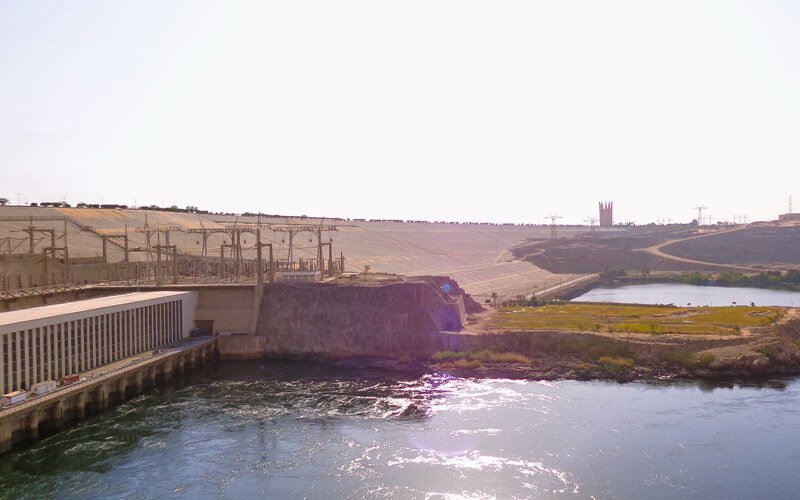
The High Dam of Aswan is one of Egypt’s most remarkable engineering achievements and a landmark that has shaped the modern landscape of the country. Located in the southern city of Aswan, this monumental structure stands as a testament to Egypt’s vision for controlling the mighty Nile River and ensuring sustainable development for generations. For all travelers to Egypt, visiting the aswan high dam offers not only a glimpse into human ingenuity but also a journey into the heart of Egypt’s modern history.
The High Dam, often referred to as the Aswan Dam or Egypt’s High Dam, spans the Nile and creates the vast Aswan High Dam Lake, known also as Lake Nasser, one of the largest man-made lakes in the world. The dam plays a crucial role in regulating the river’s flow, preventing destructive floods, and generating hydroelectric power that lights homes across Egypt. For tourists, the aswan dam in Egypt is not just a functional structure but a site where engineering excellence meets natural beauty.
Traveling to Aswan to see the high dam is an experience enriched by history, culture, and breathtaking views. With the expertise of Luxury Trips To Egypt, visitors can explore the dam safely and comfortably while learning about its profound impact on the region. Whether you’re looking for aswan dam tours or simply want to enjoy the panoramic views of Aswan Dam Lake, this site offers something for every traveler.
The High Dam of Aswan Egypt is more than a dam; it represents progress, economic growth, and a commitment to preserving Egypt’s water resources. For travelers seeking to understand the story behind this iconic structure, it is important to know that the dam was built to manage the Nile’s unpredictable floods and provide irrigation for agriculture across the country. With its towering walls, stretching over a kilometer in length, the aswan high dam in Egypt is a symbol of Egypt’s determination to harness the Nile for the benefit of its people.
Visiting the dam also gives travelers a chance to explore surrounding areas, including the city of Aswan, which is rich in culture, history, and natural beauty. Travelers can witness the serene waters of the aswan dam lake, take photos of the dam itself, and appreciate the sheer scale of this modern marvel. For photography enthusiasts, the aswan dam photos capture both engineering precision and the stunning landscape of southern Egypt.
History and Construction of the High Dam of Aswan
The story of the High Dam of Aswan begins in the mid-20th century, during a time when Egypt faced serious challenges due to the Nile’s unpredictable floods. Before the high dam, the Aswan Low Dam could not fully control seasonal flooding, which often damaged crops and disrupted communities along the riverbanks. The need for a permanent solution led to the ambitious plan to build Egypt’s High Dam, a project that would redefine the country’s economy, agriculture, and energy production.
Construction of the aswan high dam construction began in 1960 and was completed in 1970, under the leadership of then-President Gamal Abdel Nasser. This massive project required meticulous planning, the relocation of thousands of residents, and international collaboration. The dam is often called the Anwar Dam in some historical references, highlighting the political and engineering significance of the time.
The primary purpose of why the Aswan High Dam was built was to prevent flooding, provide consistent irrigation, and generate hydroelectric power. The dam of Aswan transformed Egypt’s agriculture by stabilizing crop production along the Nile and enabling the expansion of arable land in the desert regions. Additionally, the creation of Aswan High Dam Lake (Lake Nasser) provided a reliable water reservoir, securing water supplies for both rural and urban areas.
Engineering this colossal structure was a remarkable achievement. The dam stretches over 3,800 meters in length and rises about 111 meters high, making it one of the largest dams in the world. The construction of the Aswan High Dam required advanced techniques, careful planning, and collaboration among Egyptian engineers and international experts. The dam’s foundation and structure were designed to withstand the immense pressure of the Nile’s water while ensuring long-term durability.
For travelers visiting Egypt today, understanding the history and construction of the aswan dam egypt adds depth to the experience. It is not just a sightseeing destination; it is a place where visitors can appreciate decades of planning, engineering innovation, and the determination of a nation to control its most vital resource—the Nile River. Tours organized by Luxury Trips To Egypt provide insightful explanations about the dam’s construction, its historical context, and its ongoing significance for Egypt’s future.
Location and Geographical Facts
The High Dam of Aswan is strategically located in southern Egypt, just south of the city of Aswan, along the Nile River. Its location was carefully chosen to maximize control over the river’s flow and to create the vast reservoir known as Aswan High Dam Lake or Lake Nasser. Travelers often ask, “where is the Aswan dam located?” The answer is simple: it sits approximately 870 kilometers south of Cairo, near the border with Sudan, in a region that is both historically rich and scenically stunning.
The dam spans the Aswan Dam River, a key section of the Nile, and its presence has transformed the surrounding landscape. The creation of the Aswan High Dam Lake flooded a vast area of the Nile Valley, forming one of the largest artificial lakes in the world. This enormous body of water stretches over 500 kilometers and has become a vital resource for Egypt, supporting agriculture, hydroelectric power, and tourism. Travelers who visit can see the scale of this reservoir, which is impressive both in size and in its impact on the region.
For those interested in photographs and sightseeing, the aswan dam photos capture breathtaking views of the dam, its spillways, and the shimmering waters of Lake Nasser. Visitors can also explore the surrounding areas, including Nubian villages, temples, and scenic riverbanks, making the High Dam of Aswan not just a marvel of engineering but also a gateway to cultural exploration.
Travelers can also ask: “where is the Aswan High Dam in Egypt?” It is located near Aswan’s city center, making it easily accessible through organized tours. With the guidance of Luxury Trips To Egypt, visitors can plan their day efficiently, combining a visit to the dam with trips to nearby attractions such as the Philae Temple, Nubian Museum, and Elephantine Island.
Features of the High Dam of Aswan
The High Dam of Aswan is an engineering masterpiece. It measures approximately 3,830 meters in length and rises 111 meters above the Nile’s original level. Its massive walls hold back the waters of the Nile, creating Lake Nasser, which has a total capacity of about 162 billion cubic meters of water. The dam’s main purpose is not only to control flooding but also to produce electricity for Egypt. Its hydroelectric power station generates over 2,100 megawatts, supplying energy to millions of homes and industries.
The dam is designed with several spillways and sluices to manage water flow efficiently. Its construction involved millions of cubic meters of rock and concrete, making it one of the largest dams in the world. The aswan high dam lake stretches across both Egypt and Sudan, and the lake’s vast size has influenced local ecosystems and human settlements. Travelers often marvel at the scale of the dam and the serenity of the water that now stretches for hundreds of kilometers.
For photographers and enthusiasts, the high aswan dam offers multiple vantage points for capturing stunning views of the Nile and the dam’s impressive structure. Visitors can also learn about technical details, such as the dam’s foundation, its ability to withstand earthquakes, and its spillway design, all of which demonstrate the meticulous planning involved in building Egypt’s High Dam.
Benefits of the Aswan High Dam
The High Dam of Aswan has brought numerous benefits to Egypt. One of its main advantages is the prevention of destructive floods that previously threatened the Nile Valley. By regulating water flow, the dam ensures stable agricultural production, which is vital for the country’s food security. This has allowed Egypt to expand its farmland, irrigate previously arid areas, and enhance crop yields.
In addition, the Aswan Dam benefits include hydroelectric power generation, supplying sustainable electricity to millions of Egyptians. The dam’s energy output has fueled industrial development, improved living standards, and supported urban growth. Furthermore, economic benefits of the Aswan High Dam include increased employment opportunities during its construction and the development of surrounding areas for tourism and trade.
The creation of Lake Nasser has also contributed to freshwater storage, ensuring a reliable water supply during periods of drought. Travelers visiting the dam can witness how this massive reservoir has reshaped the landscape and improved life for local communities. The advantages of the Aswan Dam are visible not only in Egypt’s economy but also in the way it transformed the Nile Valley into a more predictable and productive region.
Negative Effects and Challenges
Despite its numerous benefits, the High Dam of Aswan has also caused some negative effects. One consequence is the alteration of the Nile’s natural ecosystem. The dam has reduced the annual flood cycle, which historically deposited nutrient-rich silt along the riverbanks. This change has affected agriculture in some areas, leading to increased dependence on artificial fertilizers.
Other challenges include the displacement of communities during the dam’s construction and the submersion of archaeological sites. While efforts were made to relocate monuments and preserve cultural heritage, some historical treasures were lost beneath Lake Nasser. Environmental concerns, such as changes in fish populations and soil salinity, also emerged as long-term consequences.
Travelers often ask, “what are the negative effects of the Aswan High Dam?” Understanding both the positive and negative impacts allows visitors to appreciate the complexity of this project. The dam remains a symbol of progress, but it also serves as a reminder that large-scale engineering projects have far-reaching environmental and social effects.
Tourism and Visiting the High Dam of Aswan
For travelers, visiting the High Dam of Aswan Egypt is an unforgettable experience. The site is accessible through organized tours, such as those offered by Luxury Trips To Egypt, which provide a full understanding of the dam’s history, construction, and impact. Tourists can walk along viewing platforms, take photos of the dam and Lake Nasser, and enjoy informative explanations about the dam’s role in Egypt’s economy and agriculture.
Nearby attractions make a visit to the high dam even more appealing. Travelers can explore Nubian villages, experience local culture, or visit temples and museums in Aswan. The combination of engineering marvel and cultural richness ensures that every visitor has a rewarding experience.
Aswan Dam tours are suitable for all travelers, whether you are a history enthusiast, an engineering admirer, or simply looking for scenic views. By booking with Luxury Trips To Egypt, travelers enjoy professional guidance, comfort, and personalized experiences, making the visit both educational and enjoyable.
Interesting Facts About the Aswan High Dam
-
The dam is over 3.8 kilometers long and 111 meters high, making it one of the largest dams in the world.
-
Lake Nasser, formed by the dam, extends over 500 kilometers into Sudan.
-
The dam’s hydroelectric power station produces over 2,100 megawatts.
-
Construction required the relocation of over 100,000 people and dozens of historical monuments.
-
The dam controls the Nile’s annual floods, preventing damage to agriculture downstream.
-
It has created a new tourism hub in Aswan, attracting travelers from around the world.
These facts show that the High Dam of Aswan is not only an engineering marvel but also a vital part of Egypt’s cultural and economic fabric.
Future of the High Dam and Its Role in Egypt
The High Dam of Aswan continues to play a crucial role in Egypt’s future. It provides sustainable electricity, water security, and agricultural stability. As Egypt faces challenges such as climate change and population growth, the dam’s importance is even greater. Modern maintenance programs and upgrades ensure the dam remains safe and efficient.
Travelers visiting the dam today can appreciate both its historical significance and its ongoing contribution to Egypt’s development. With guided tours from Luxury Trips To Egypt, visitors gain a comprehensive understanding of why the aswan high dam is considered one of the most important infrastructure projects in the country.
Conclusion
The High Dam of Aswan is more than just a dam; it is a symbol of Egypt’s progress, engineering excellence, and vision for the future. For travelers, it offers a unique combination of history, culture, and breathtaking scenery. Visiting the dam with Luxury Trips To Egypt ensures a comfortable, informative, and memorable experience. From the creation of Lake Nasser to the hydroelectric power that lights homes across Egypt, the High Dam of Aswan stands as a must-see destination for anyone exploring the wonders of this ancient yet modern land.