Citadel of Saladin stands as one of the most recognizable and historically meaningful landmarks in Cairo, drawing visitors who want to step into centuries of defensive strategy, political power, and architectural mastery. Travelers often hear about the citadel from guides or online searches, but experiencing it firsthand leaves a much stronger impact. Its high position gives you a sweeping view across the capital, including the mosques, towers, and old districts that shaped daily life throughout the centuries. Visitors researching the citadel of salah el din, saladin citadel, or even “citadel egypt” usually want to know whether this iconic site is worth adding to their itinerary, how to navigate the complex, and what to expect inside its historic walls. This guide brings together the essential details so you can plan with confidence, understand its background, and appreciate why this fortress remains one of Cairo’s most meaningful attractions.
The Historical Significance of the Citadel
The Citadel of Saladin was constructed in the 12th century under the orders of Salah ad-Din Al-Ayyubi, widely known in English as Saladin. At the time, Cairo needed strong protection against the advances of the Crusaders, and the elevated hill now occupied by the citadel offered the perfect vantage point. For visitors wondering about the citadel of salah el din, citadel of salah al din, or “saladin castle,” understanding this foundation helps reveal why the site became a symbol of both strength and leadership. Saladin envisioned a fortified complex where military commanders could organize defenses, store supplies, and secure the capital from threats approaching through the desert or along the Nile Valley.
As you walk through the gates today, the thick stone walls and broad courtyards highlight how important defense strategies were at that time. The citadel later expanded under subsequent rulers, particularly the Mamluks and Ottomans, who upgraded its towers, residential quarters, and administrative spaces. Many search for the citadel of salah el-din or the citadel of salah al-din al-ayyubi because they want to learn more about Saladin as a strategist, but the fortress itself shows how many later dynasties depended on the same elevated stronghold.
The site remained the seat of government for hundreds of years. Leaders operated from here, soldiers trained within its walls, and key political decisions shaped the future of Egypt. Even if you already visited other historic sites like the ancient city of memphis, the contrast in architecture and purpose becomes immediately clear. Where Memphis reflected the world of ancient pharaohs, the citadel reflects medieval Islamic leadership.
Travelers often compare the fortress to other large structures such as saladin castle cairo or the citadel cairo, but the Citadel of Saladin stands out because of its scale, strategic hilltop location, and the number of original areas still preserved. Over time, it became the symbol of Cairo’s resilience, its ability to withstand invasions, and its ongoing evolution through changing empires.
Architectural Layout and Main Structures to Explore
The layout of the Citadel of Saladin impresses even travelers who have visited Cairo many times. The complex includes mosques, museums, towers, passageways, and broad spaces that once served the administrative and military needs of the city. Many visitors start their journey at the section associated with the citadel of cairo, moving through the gates that once protected rulers and soldiers.
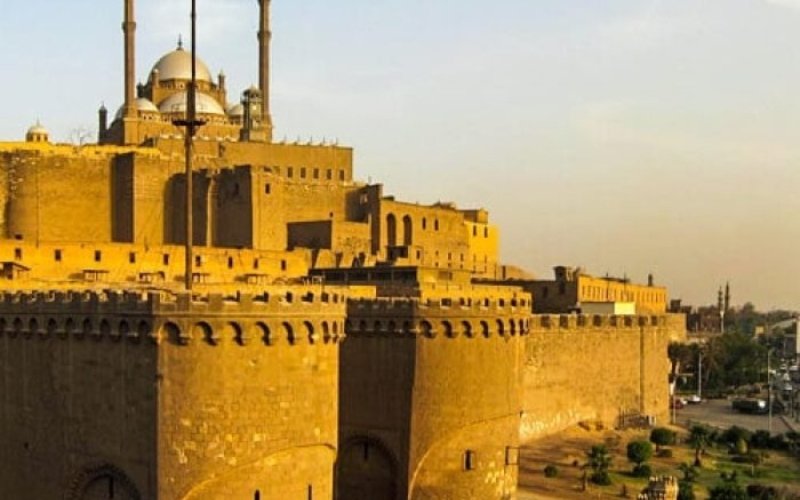
One of the most iconic landmarks inside the fortress is the Mosque of Muhammad Ali, a striking structure with soaring minarets and a recognizable dome that dominates the skyline. However, travelers researching the salah el din mosque sometimes confuse it with mosques inside the citadel. This guide helps remove that confusion: the Mosque of Muhammad Ali belongs to the era of Ottoman rule, added centuries after Saladin, but it has become one of the citadel’s greatest attractions.
Exploring the site takes several hours, especially when visiting museums inside the fortress. These include military displays, royal artifacts, and examples of weapons used throughout different periods. While walking through, you may notice signs for citadel saladin cairo, citadel salah el din, or saladin citadel cairo, depending on the map or tour provider. All these names refer to the same massive stronghold.
Another highlight is the sweeping viewpoints from the upper platforms. You can see Old Cairo, the mosques of Sultan Hassan and Al-Rifai, and even the far edges of the modern city. The view becomes even more meaningful when you recall that rulers used these vantage points to monitor incoming threats or to survey their capital. For anyone interested in photography, especially those searching for citadel of saladin cairo or “cairo citadel egypt,” these lookout areas offer some of the best panoramic images in the city.
The citadel’s older structures include remnants of Saladin’s original defenses, including rounded towers designed to withstand heavy blows from enemy siege machines. One of the most impressive among them is the Burg al-Nasir, often associated with later Mamluk expansions. Visitors frequently compare these towers to medieval European fortresses, but the style here blends Islamic engineering with practical defensive features.
Walking through the citadel offers a journey through time. Travelers interested in medieval Cairo, Islamic architecture, or the life of Saladin will find that every section adds depth to their understanding, while panoramic views ensure the experience remains unforgettable.
Why the Citadel Remains a Traveler Favorite
For many travelers planning a trip to Cairo, the Citadel of Saladin ranks high on their must-see list. Its commanding location makes it one of the best places to enjoy views over Old Cairo, and the blend of museums, mosques, and open spaces allows each visitor to explore at their own pace. Those searching for citadel egypt, saladin citadel egypt, or the citadel cairo often come across photos of its towering domes and walls, which immediately spark interest.
One key reason it remains popular is the fortress’s ability to connect visitors with centuries of leadership. Travelers who already visited pharaonic sites or Islamic monuments elsewhere in Cairo appreciate how this citadel fills a historical gap between ancient and modern eras. While many people researching the ancient egypt capital city, what capital of egypt, or first capital of ancient egypt are exploring pharaonic sites like Memphis, the citadel gives insight into a much later phase of Egyptian governance.
For families and solo travelers, the site provides a safe, spacious environment to walk freely. Children often enjoy exploring the wide courtyards, while adults appreciate the details in stonework, ceilings, and decorative motifs. Many visitors also mention that the citadel offers a peaceful atmosphere compared to Cairo’s busy streets. The elevated position naturally creates a cooler breeze, making it comfortable even during warmer seasons.
Guided tours often recommend the Citadel of Saladin as part of a full-day itinerary that may include Old Cairo or the nearby Sultan Hassan Mosque. Travel agencies, including ours, find that most visitors appreciate having a structured tour here because the fortress includes several sections that can easily be overlooked without guidance. Travelers searching citadelle de saladin or castle salah el din often book half-day tours to gain a deeper understanding of its history.
The citadel’s popularity also comes from its ability to appeal to different interests — whether religious architecture, military strategy, historical evolution, or panoramic photography. Unlike many sites that cater to a specific type of traveler, this fortress suits a wide audience. As you walk through, you’ll notice visitors from around the world, exploring, taking photos, and learning about the leaders who shaped Egypt during the medieval period.
How to Visit and What to Expect During Your Trip
Planning your visit to the Citadel of Saladin is simple, especially with proper preparation. The fortress sits in an accessible location, often referred to on maps as citadel cairo or citadel of cairo, and can be reached by taxi, private transfer, or organized tour. If you choose to book with our travel agency, we ensure a comfortable pick-up and a guided experience that highlights all the important landmarks inside.
The entrance area leads you into open courtyards and a collection of museums and mosques. Many travelers ask whether the experience requires extensive walking. While the site is large, most areas are reachable through gently sloping paths. Comfortable shoes are recommended. For visitors searching el saladin, saladin castle, or related names, it’s helpful to know that the site is not a single building but a broad complex with multiple attractions.
Inside, expect a blend of historical learning and beautiful photo opportunities. Visitors researching the citadel of salah el din or citadel of salah al-din al-ayyubi often want to know whether guided tours are necessary. While you can explore independently, having a guide enhances your visit significantly. A knowledgeable guide provides insights into ruler dynasties, architectural features, and the purpose of each tower or gate.
The best times to visit are early morning or late afternoon. Midday light can be harsh for photography, especially for those searching for “saladin citadel cairo images” or “citadel saladin cairo photos.” The evening sun creates warm tones that illuminate the domes and stone walls beautifully.
Entrance fees are affordable, and tickets include access to most sections. Carry water, especially during summer. Modest dress is recommended when entering mosque areas. Photography is allowed in most parts, but some museum sections may have restrictions.
Nearby Attractions and Suggested Itineraries
A visit to the Citadel of Saladin often pairs well with several nearby attractions. Travelers researching cairo citadel egypt or saladin citadel egypt usually plan a half-day or full-day route that covers different aspects of historical Cairo. The Sultan Hassan Mosque, located just below the citadel, is one of the most visually impressive monuments in the city, known for its grand entrance and towering walls. The Al-Rifai Mosque sits opposite it, creating a breathtaking architectural balance that showcases Mamluk and Ottoman artistry.
If you enjoy religious and cultural history, you can explore the mosques of Ibn Tulun and Amr ibn al-As, both located a short drive from the fortress. These sites give deeper context to the medieval and early Islamic periods of Egypt. Travelers interested in older layers of history, particularly those searching for “ancient city of memphis egypt” or “memphis egypt city,” may schedule a full-day tour that includes both the ancient ruins of Memphis and the medieval citadel for a comprehensive journey through time.
Another option is visiting Old Cairo, home to landmarks such as the Hanging Church, Ben Ezra Synagogue, and several historic streets that showcase life during Egypt’s early Christian and Islamic eras. For photography enthusiasts, the area surrounding the citadel includes rooftop viewpoints, old markets, and winding alleys that capture the charm of authentic Cairo.
Travel agencies often combine these sites into a smooth itinerary: start at the Citadel of Saladin, explore the Sultan Hassan Mosque, enjoy lunch nearby, and finish the day in Old Cairo. This route helps visitors understand how Egyptian history evolved across centuries, from early Islamic expansion to modern urban development.