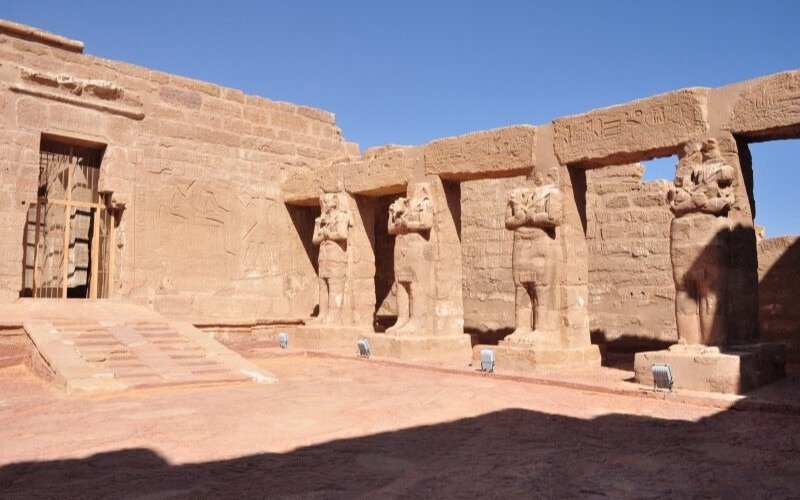
The Temple of Wadi es-Sebua is one of southern Egypt’s most magnificent Nubian temples, located on the western bank of the Nile near Aswan. Known for its grand pylons, stately columns, and beautifully preserved reliefs, the temple is a must-visit for travelers exploring wadi el seboua or planning a wadi es-sebua excursion. Often visited alongside...Read More
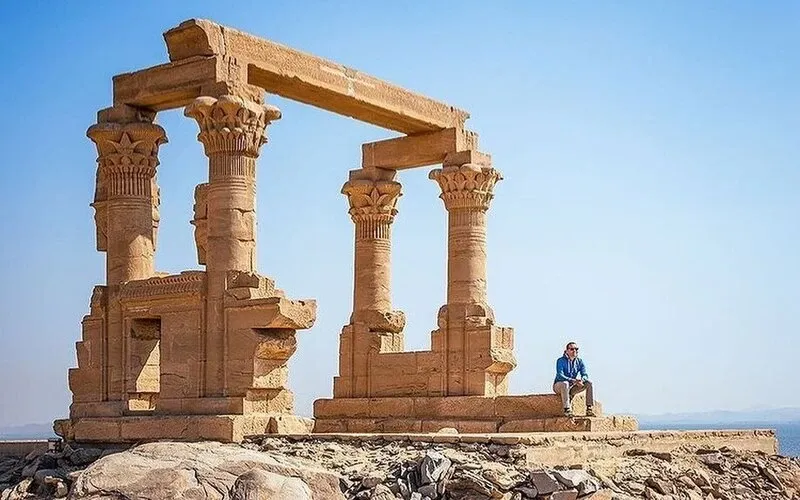
The Temple of Kalabsha is one of Egypt’s most iconic Nubian temples, located near Aswan along the western bank of the Nile. Known for its remarkable preservation and intricate carvings, the temple draws travelers interested in kalabsha temple egypt and kalabsha temple aswan. Visitors exploring temple de kalabsha or browsing new kalabsha photos will find...Read More
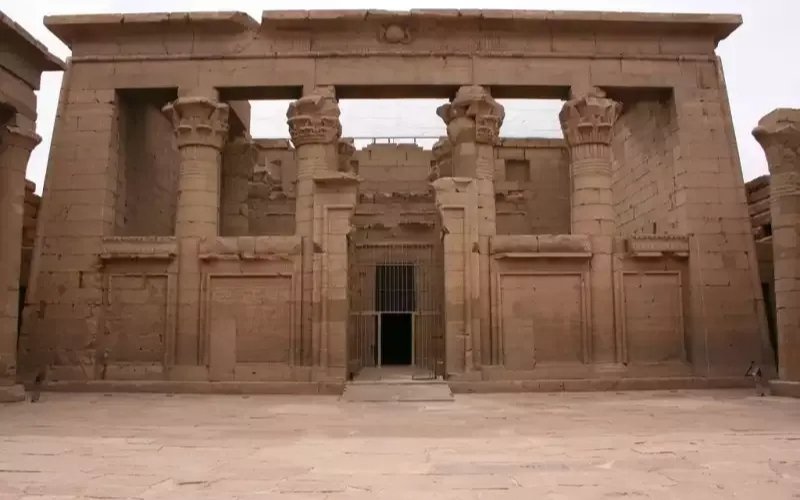
The Temple of Amada is one of the oldest and most remarkable temples in Nubia, located in Amada, Egypt. Built during the 18th Dynasty of ancient Egypt, this temple offers travelers an unforgettable glimpse into Pharaonic religious architecture and art. For those exploring amada temple egypt or seeking temple of amada photos, the temple stands...Read More
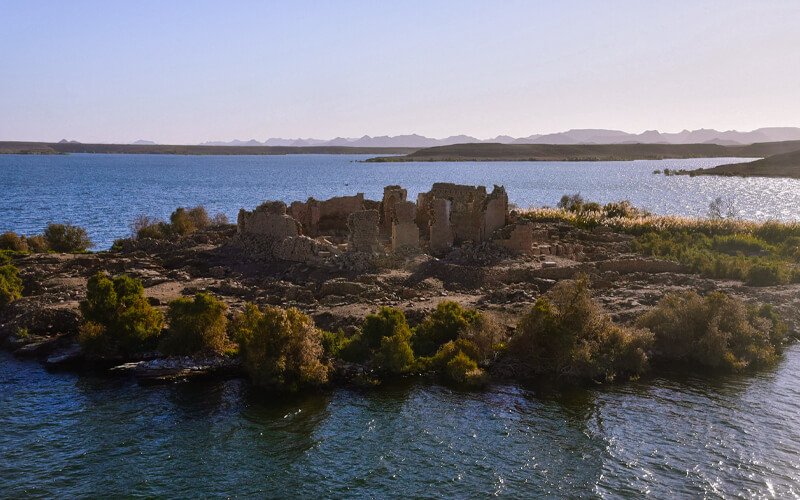
Qasr Ibrim is one of Egypt’s most fascinating archaeological and historical sites, located on the western bank of Lake Nasser. For centuries, it has stood as a sentinel overlooking the Nile’s southern reaches, offering insights into Nubian, Egyptian, and Christian civilizations. Travelers visiting Qasr Ibrim Egypt will discover a blend of cultural heritage, ancient ruins,...Read More
Lake Nasser is one of the largest man-made lakes in the world, stretching across southern Egypt and northern Sudan. Formed after the construction of the Aswan High Dam, this massive reservoir has become a major destination for travelers seeking both natural beauty and historical exploration. Lake Nasser Egypt is renowned for its crystal-clear waters, scenic...Read More
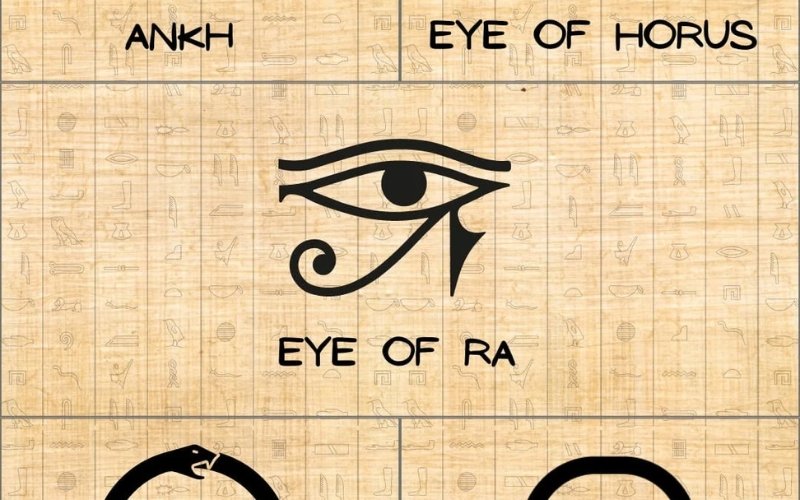
26 Famous Ancient Egyptian Symbols and Their Meanings have fascinated travelers, historians, and enthusiasts for centuries. From hieroglyphic inscriptions on temple walls to amulets found in tombs, these symbols reveal the spiritual, cultural, and artistic essence of ancient Egypt. Understanding egyptian symbols allows travelers to decode the messages left by the Egyptians, whether in sacred...Read More
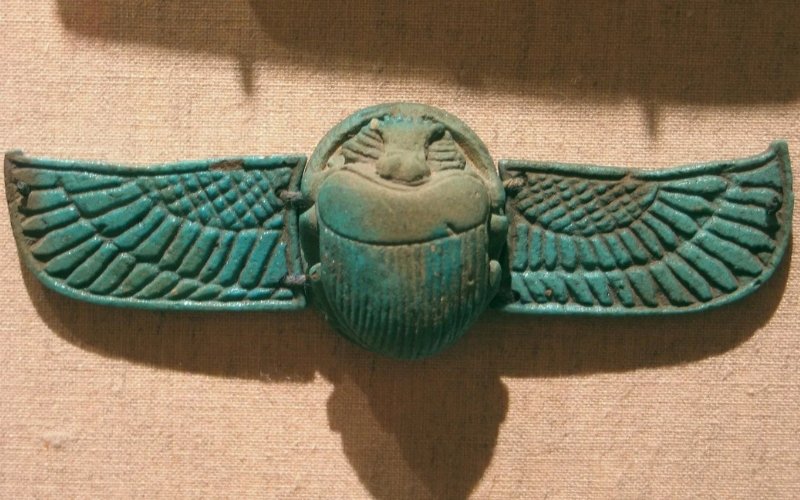
The Egyptian Scarab Beetle And Its Meaning is one of the most fascinating subjects for travelers exploring the rich history of ancient Egypt. Known as the scarab beetle, this small but powerful symbol carries deep spiritual and cultural significance. Visitors often ask what is a scarab or scarab beetle meaning when they see the creature...Read More
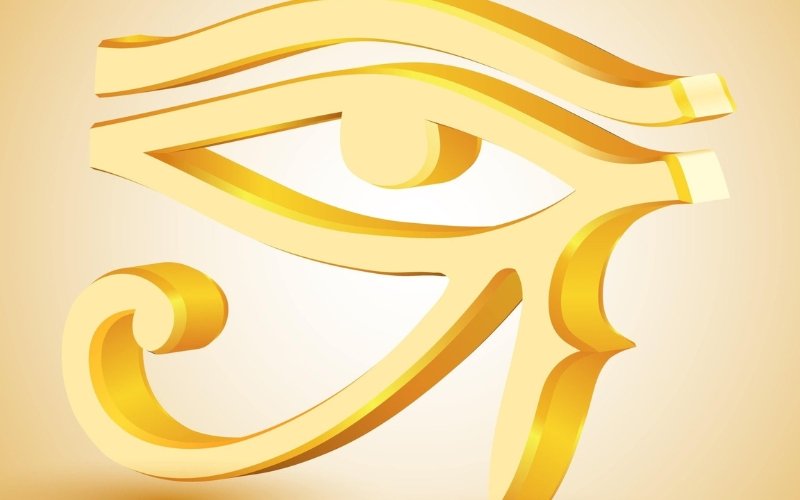
The Eye of Ra is one of the most iconic and powerful symbols in ancient Egyptian mythology, captivating travelers, historians, and spiritual enthusiasts alike. Its presence is found in temple carvings, papyrus paintings, museum artifacts, and even jewelry, symbolizing divine protection, authority, and the far-reaching power of Ra, the sun god. Many travelers researching before...Read More
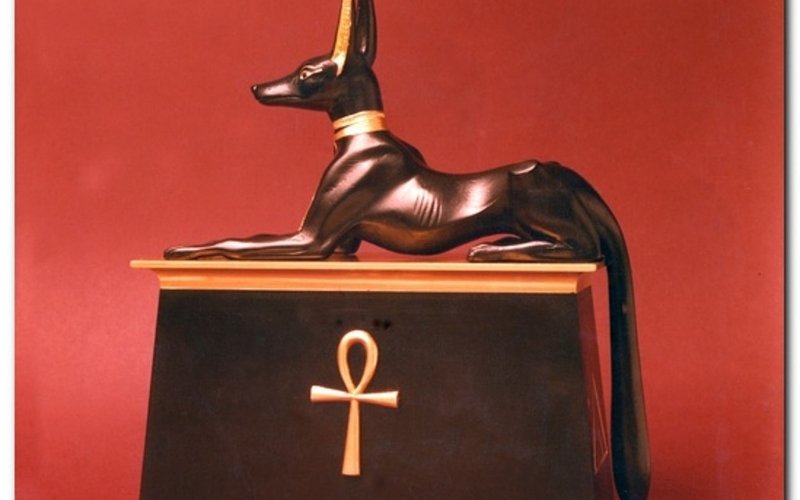
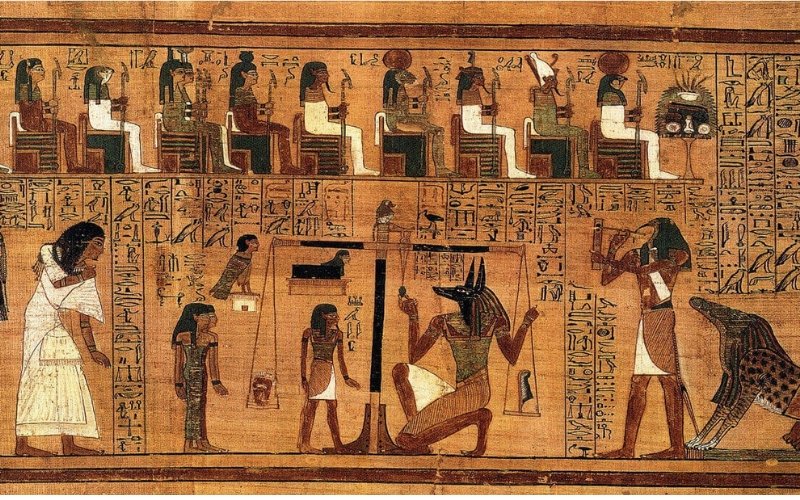
Egyptian Dog God: Anubis The Friend of the Dead in Ancient Egypt is a topic that continues to attract travelers, researchers, and fans of ancient mythology who want to understand why a deity with the head of a dog or jackal became one of the most respected figures in ancient beliefs. Many first-time visitors to...Read More
Understanding Ancient Egyptian Creation Myths opens a doorway into one of the world’s most influential belief systems. These stories shaped every aspect of spiritual life, inspired monumental architecture, and influenced how people viewed themselves in relation to the gods. For travelers exploring ancient temples today, knowing the origins of these myths adds depth to every...Read More
When you book with an account, you will be able to track your payment status, track the confirmation and you can also rate the tour after you finished the tour.