Memphis Egypt is one of the most historically significant cities travelers can explore during their visit, drawing interest from those who want to uncover the story behind the first capital of ancient Egypt and its enduring legacy. Visitors often ask where is Memphis Egypt, what remains of the ancient city of Memphis Egypt, and how they can include it in their travel plans. Understanding this destination helps travelers connect with its role as the beating heart of political power, religion, and cultural identity for early dynastic rulers. While many historic capitals around the world have evolved into modern cities, Memphis offers something different—a journey into ruins, open landscapes, and archaeological sites that reflect its ancient greatness.
Travelers today come to see memphis ancient egypt not only for its royal temples but also to appreciate how this once-flourishing center shaped the culture that later spread across the Nile Valley. Exploring the memphis egypt location offers insights into how geography influenced early political decisions and why the city was chosen as the first capital of Egypt. Visitors often find themselves surprised by how peaceful it feels compared to nearby Cairo, making it a comfortable and easy excursion for those staying in Giza. The area combines archaeological wonder with quiet natural settings, offering travelers the perfect balance between education and leisure.
When exploring the memphis egypt city ruins, travelers encounter statues, inscriptions, museum collections, and remnants that highlight the grandeur of early dynastic rulers. The story of memphis, egypt is deeply connected to its surrounding region, including Saqqara, where some of the nation’s most important tombs lie. This interwoven history helps visitors understand Memphis as more than a single site—it served as the foundation for what would become one of history’s most extraordinary civilizations.
This article guides travelers through everything they need to know about the ancient capital of Egypt—its origins, top attractions, best travel tips, and how to integrate Memphis into an unforgettable tour experience. By keeping the traveler at the center of the story, this guide aims to make your visit inspiring, informative, and deeply rewarding.
The Historical Significance of Memphis—Understanding the First Capital of Egypt
When travelers explore the concept of the first capital of ancient Egypt, they discover that Memphis once stood as the heart of political authority and religious life during the Early Dynastic Period and the Old Kingdom. Visiting this site provides a chance to walk through a city that shaped the earliest chapters of one of the world’s most influential civilizations. The question what was the first capital of Egypt leads directly to Memphis, which served as the administrative and spiritual center for generations of pharaohs.
The city was strategically located at the meeting point between Upper and Lower Egypt. This placement allowed the early rulers to manage trade routes, agricultural lands, and military movement. Travelers often wonder, what capital of Egypt made the most impact? The answer is consistently Memphis, as it was here that pharaohs unified the kingdom and established systems that guided the development of ancient Egyptian culture. This central position also made it easier for rulers to oversee the fertile Nile Delta to the north and vital southern territories.
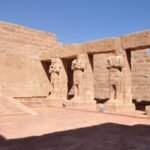
Memphis’s temples, palaces, and administrative buildings once displayed architectural brilliance. Although many structures have not survived the passage of time, the city’s ruins and surviving monuments hint at its former glory. Travelers visiting egyptian memphis today discover archaeological finds such as colossal statues, inscriptions, and remnants of ancient sanctuaries dedicated to Ptah, the creator god worshiped by the inhabitants. These discoveries highlight Memphis as not only a political capital but also a deeply spiritual city.
For history enthusiasts, learning about memphis ancient egypt feels like stepping into the roots of pharaonic identity. Early kings laid out governing systems, ceremonial traditions, and artistic styles that remained consistent for centuries. Many travelers are surprised to learn that Memphis once had a population that rivaled major cities of the ancient world. Merchants, artisans, priests, and administrators made this ancient city of Memphis a dynamic urban center.
As visitors stroll through the ruins, they connect with the city’s enduring legacy. Whether standing before a massive statue or reading inscriptions carved thousands of years ago, travelers gain insight into the decisions that shaped Egypt’s early rulers. Exploring Memphis offers a memorable and fulfilling experience, giving visitors a clear understanding of why this site holds such tremendous historical significance.
Where Is Memphis Egypt? A Traveler’s Guide to the Location and Surroundings
One of the most common questions travelers ask is where is Memphis Egypt exactly. Located just south of Cairo and a short drive from Giza, Memphis is situated at the edge of the Nile Delta. The memphis egypt location allows visitors to easily incorporate it into their itineraries after exploring the Giza Pyramids or the Saqqara necropolis. Many tourists appreciate that the site is accessible without long travel times, making it ideal for half-day or full-day tours.
The area surrounding memphis, egypt feels peaceful, offering an escape from the fast pace of Cairo. Travelers often enjoy the slower atmosphere, which helps them appreciate the historical sites more deeply. The landscape features villages, farmland, and local communities, giving visitors a chance to observe everyday life near the old capital. This mix of history and local culture adds richness to the travel experience.
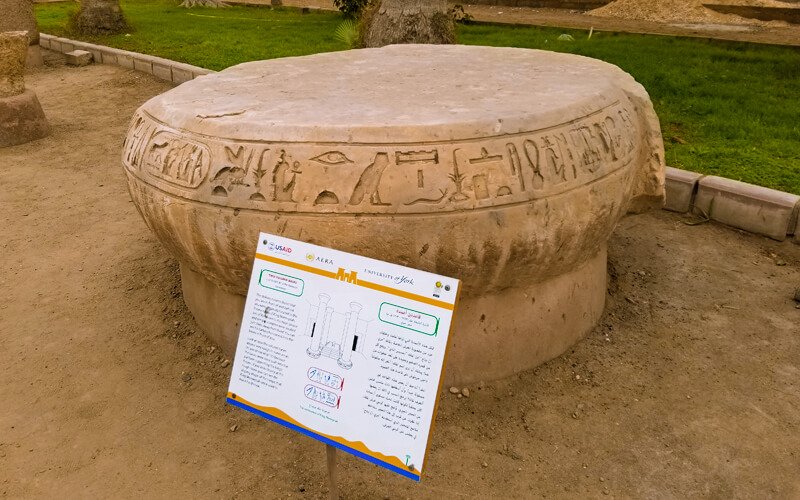
The modern community around Memphis is known as Mit Rahina. Here, visitors will find the outdoor museum where the most famous artifacts from memphis egypt city are displayed. Walking through this open-air museum, travelers encounter colossal statues, temple remains, and inscriptions, all surrounded by lush greenery. The natural setting gives the exhibits an engaging and intimate feel compared to traditional indoor museums.
Travelers should also note that Memphis sits close to Saqqara, home to the Step Pyramid of Djoser. Many tours combine both destinations, offering visitors a chance to explore one of the most important burial grounds linked to the ancient capital of egypt. Because of this, Memphis and Saqqara are often experienced as a unified historical corridor. Together, they provide insight into royal rituals, religious practices, and architectural innovation.
The proximity of Memphis to major tourist centers makes planning easy. Visitors staying in Giza or Cairo can reach egypt memphis by private car, guided tour, or organized travel services. Most trips take 30 to 45 minutes, depending on traffic. Travelers appreciate the simplicity of reaching the site, which helps maximize their time for exploration.
Understanding the location helps travelers visualize how the city once served as a strategic hub. Positioned at a crossroads between Upper and Lower Egypt, Memphis controlled waterways, trade routes, and agricultural flows. Its landscape continues to tell this story today, inviting visitors to connect the physical terrain with its historical purpose. With its accessibility and peaceful surroundings, Memphis remains one of the most rewarding destinations for travelers wanting to experience authentic ancient heritage.
Exploring the Ancient City of Memphis Egypt—Top Sites and Attractions
Travelers visiting the ancient city of Memphis Egypt are welcomed by a remarkable collection of archaeological treasures that bring its legacy to life. One of the most famous attractions is the massive statue of Ramses II, carved from limestone and originally intended to stand upright near the great temple of Ptah. Today, visitors can admire this colossal figure in a protective hall that allows close viewing from multiple angles. The quality of the carving and the scale of the statue leave travelers with a deep appreciation for the craftsmanship of ancient artisans.
Another highlight of memphis ancient egypt is the Alabaster Sphinx, a large and beautifully sculpted monument believed to represent either Hatshepsut or Amenhotep II. Its smooth surfaces and well-preserved details make it a favorite for photography. Many travelers find the sphinx fascinating because it offers an alternative style to the famous Giza sphinx, showing how artistic expressions varied across different regions and time periods.
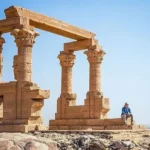
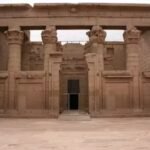
Visitors also explore remains of the Temple of Ptah, once the spiritual heart of egyptian memphis. Although only fragments remain today, the ruins provide a glimpse into the religious importance of Memphis. Travelers can see column bases, inscriptions, and stone blocks that once formed part of a massive complex dedicated to Ptah, the deity associated with creation and craftsmanship. This site encourages visitors to imagine the rituals and ceremonies that took place here during the height of Memphis’s power.
Exploring memphis city egypt, travelers walk through shaded paths surrounded by gardens and statues. The open-air museum layout makes the experience comfortable, offering seating areas and quiet spots for reflection. Visitors appreciate the natural atmosphere, which enhances their connection to the ancient surroundings.
Nearby exhibits include statues of pharaohs, granite sarcophagi, steles, and royal artifacts that showcase the artistic achievements of early dynasties. For travelers interested in understanding the timeline of Egyptian history, these displays help illustrate how the ancient capital of egypt influenced later architectural and cultural developments.
Many visitors are surprised by how compact the site is, making it easy to explore without feeling overwhelmed. Guides often complement the visit with stories about ancient memphis, detailing how the city once dominated the political landscape. With its combination of monumental statues, temple ruins, and peaceful gardens, Memphis offers travelers a well-rounded and enjoyable archaeological experience.
Why Memphis Was Chosen as the First Capital of Ancient Egypt—Geography and Strategy
Understanding why Memphis became the first capital of ancient egypt helps travelers appreciate its significance beyond the ruins. The city’s location was not chosen randomly—it was selected for strategic, economic, and symbolic reasons that shaped the early foundations of the unified kingdom. When visitors ask what capital of Egypt held the earliest authority?, the answer always leads back to Memphis.
One of the key reasons Memphis was chosen lies in its geographical position at the boundary between Upper and Lower Egypt. This location made it ideal for maintaining control over the newly unified kingdom. Early kings, including the legendary Menes, recognized that placing the capital at this midpoint allowed them to oversee both regions equally. Travelers exploring the memphis egypt location can appreciate how its proximity to the Nile facilitated transportation, communication, and defense.
The city also sat near major trade routes. Goods from the Mediterranean, Sinai, Delta, and southern territories all converged near Memphis. This allowed the early rulers to supervise economic flows and ensure the prosperity of the state. Travelers visiting egypt memphis often reflect on how this strategic advantage contributed to the city’s rise as a powerful administrative center.
Another factor was religious importance. Memphis served as the center of worship for Ptah, the god of creation and crafts. The presence of this significant temple increased the city’s spiritual authority. The pharaoh’s connection to Ptah reinforced his role as both a political and divine leader. Travelers exploring the ruins of the Temple of Ptah can imagine how religious rituals created a powerful bond between the rulers and the city.
For those interested in ancient engineering, Memphis played a significant role in organizing labor for monumental construction. The nearby quarries and workshops supplied materials and craftsmen for some of Egypt’s earliest architectural achievements, including pyramid projects in Saqqara and Giza. Travelers often find it fascinating that the city served as a base for planning and managing these massive undertakings.
Symbolically, establishing Memphis as the capital signified unity. By choosing a location between Upper and Lower Egypt, early rulers sent a clear message that both regions were equally important. This symbolism remained embedded in Egyptian culture for centuries. As travelers wander through the remains of ancient memphis, they gain a deeper understanding of how geography and strategy shaped one of history’s most influential capitals.
The Legacy of Memphis—How the Ancient Capital Influenced Egyptian Culture
The legacy of memphis egypt extends far beyond its physical ruins. For travelers exploring its history, understanding its influence on culture, government, architecture, and religion reveals its pivotal role in shaping ancient Egypt. Although Memphis eventually lost its status as the dominant capital, its impact remained strong for millennia.
One major aspect of this legacy is political structure. The governing systems developed in the ancient city of Memphis provided the blueprint for future dynasties. Administrative organization, taxation methods, and early legal systems were first tested here. Travelers find it impressive that many of the rituals associated with kingship, such as coronation ceremonies and royal festivals, originated in Memphis and spread throughout the kingdom.
Art and craftsmanship also flourished in memphis ancient egypt. Skilled artisans produced statues, jewelry, pottery, and architectural elements that set standards for Egyptian aesthetics. The influence of Memphis can still be seen in later temples and monuments across the country. Visitors exploring the site today encounter fragments of this artistry in the statues and inscriptions preserved around the museum grounds.
Religiously, Memphis was a center of theological development. The cult of Ptah shaped early beliefs about creation and divine rule. Travelers who visit the temple ruins gain insight into how Memphis forged connections between spiritual life and political authority. The Memphite theology also played a role in shaping later religious ideas, influencing temples far beyond the city’s boundaries.
The influence of Memphis extended into architecture as well. The organizational systems that supported the construction of the Step Pyramid and other monumental structures began in Memphis. The city’s workshops, quarries, and administrative offices supported building projects across Egypt. Travelers touring nearby Saqqara get a clear sense of how Memphis served as the operational base for innovative architecture.
Culturally, Memphis acted as a melting pot where people from different regions traded goods and ideas. This diversity enriched the city’s traditions and contributed to Egypt’s evolving identity. Visitors exploring memphis, egypt today can sense this blend in the artifacts and cultural layers that remain.
The legacy of the ancient capital of Egypt lives on not only in archaeological finds but also in the stories passed down through travelers, historians, and local communities. By stepping into this ancient landscape, visitors connect with a city that shaped the foundation of an entire civilization.
Planning Your Visit to Memphis Egypt—Traveler Tips and Recommendations
Visiting memphis egypt offers an enjoyable and accessible experience for travelers. Whether you are exploring independently or joining a guided tour, planning ahead ensures a smooth and memorable visit. Memphis is often paired with nearby attractions, making it easy to include in a full-day itinerary that covers Saqqara, Dahshur, or the Giza Pyramids.
Travelers frequently ask where is Memphis Egypt, and once they realize how close it is to Cairo and Giza, they find it easy to schedule. A typical visit lasts one to two hours, depending on your pace and interest in photography. The open-air museum layout allows for a leisurely walk among statues and ruins. Because the area is shaded with trees, the site feels more comfortable than many desert locations.
For those staying in Cairo, the journey to memphis egypt city usually takes under an hour. Travelers visiting from Giza may reach the site even faster. Hiring a private driver or joining a guided tour can enhance the experience, as knowledgeable guides provide context and stories that enrich your understanding. The question what capital of Egypt should travelers visit for early history? is easily answered by including Memphis in your itinerary.
Visitors should wear comfortable shoes and light clothing, especially during warmer months. The ground is mostly flat, making the walk suitable for travelers of all ages. Photography is allowed throughout the site, giving visitors opportunities to capture the massive Ramses II statue, the Alabaster Sphinx, and other impressive artifacts.
Many travelers choose to combine their visit with Saqqara, located only minutes away. This allows visitors to experience both the ancient capital of Egypt and one of the world’s oldest pyramid complexes in a single trip. The connection between Memphis and Saqqara creates a meaningful journey through ancient history, helping visitors understand how the capital and its necropolis worked together.
The best time to visit is in the morning or late afternoon when temperatures are more pleasant. Local cafes and rest areas in nearby villages offer refreshment, and many tours provide bottled water and snacks. Travelers often enjoy interacting with the local community, which adds cultural richness to the experience.
Whether you’re learning about memphis ancient egypt, discovering its temple ruins, or capturing photos of iconic statues, planning ahead ensures that your visit is comfortable and rewarding. With its convenient location and rich history, Memphis remains one of the most fulfilling destinations for travelers exploring ancient heritage.