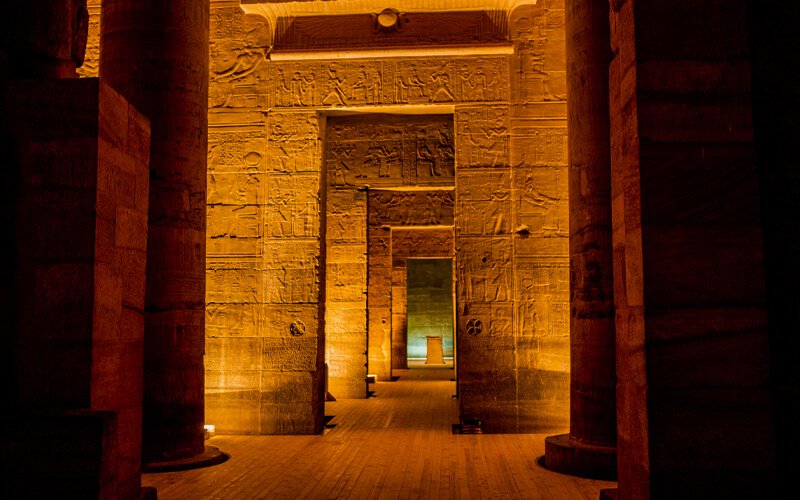
Luxor is a city that captures the essence of ancient Egyptian civilization, often referred to as the world’s greatest open-air museum. Luxor city, located on the east bank of the Nile River, is the capital of Upper Egypt, historically significant as the center of the ancient Theban civilization. When travelers ask, “what is the capital city of Upper Egypt?” or “what is the capital of Upper Egypt?” Luxor is the answer. Its strategic location on the east bank of Nile River allowed it to flourish for thousands of years, serving as a cultural, religious, and political hub.
Luxor city in Egypt is more than just a historical site; it is a vibrant town that combines modern amenities with a rich historical backdrop. Luxor town itself has grown into a lively city with bustling markets, local restaurants, and cozy accommodations for tourists. Luxor Egypt city’s streets echo stories of the past while offering comforts of contemporary life, making it an ideal destination for travelers who want to explore history without sacrificing modern conveniences.
The city of Luxor holds immense cultural and archaeological importance. It was once home to the pharaohs and the elite of ancient Egypt, hosting monumental temples, palaces, and tombs. Luxor city egypt is renowned worldwide, attracting historians, archaeologists, and tourists eager to witness the grandeur of the past. Visitors often marvel at how much of the city’s original character has been preserved while adapting to the demands of a modern Egyptian city.
Understanding the luxor origin is key to appreciating its significance. Luxor, known as Thebes in antiquity, was once the religious and political capital of ancient Egypt. Its luxor etymology reflects the city’s rich past, rooted in ancient rituals and monumental architecture. Today, Luxor continues to honor its heritage, offering guided tours, museums, and heritage sites that tell the story of its illustrious history. Travelers exploring luxor city find a unique blend of history, culture, and local life that few cities in the world can offer.
Historical Significance of Luxor City
Luxor city in Egypt stands on the ruins of ancient Thebes, which served as one of the most important capitals of ancient Egypt. As the upper egypt capital, Luxor played a pivotal role in politics, religion, and culture for over two millennia. Luxor town became a hub for pharaohs who sought to commemorate their reigns through monumental structures, many of which survive today as iconic landmarks.
One of the first questions travelers often ask is, “was Luxor the capital of Egypt?” While it was not the national capital during all periods, it was undoubtedly the capital of Upper Egypt and the center of Theban rule. The city flourished particularly during the New Kingdom, becoming synonymous with opulence, religious devotion, and political power. Luxor egypt city’s significance extended beyond politics; it was also a religious center where the great temples of Amun, Mut, and Khonsu stood majestically, drawing pilgrims from across the Nile.
The city of Luxor is also known as the oldest city in Egypt in terms of continuous human settlement. Its luxurious temples, grand statues, and intricate tombs are a testament to the city’s importance throughout ancient history. Luxor egypt has preserved its legacy through sites such as Karnak Temple, Luxor Temple, and the Valley of the Kings, allowing travelers to immerse themselves in the wonders of the past. The question of luxor country of origin is closely tied to the history of ancient Egypt, as the city has been an integral part of Upper Egypt’s development and identity for millennia.
Visitors exploring luxor city egypt can witness how history has shaped its streets and neighborhoods. Museums, guided tours, and local artisans provide insight into Luxor’s past while maintaining a vibrant modern culture. The luxor name origin itself reflects the city’s stature, derived from the Arabic “Al-Uqsur,” meaning “the palaces,” a fitting description for a city filled with monumental architecture and historical treasures.
Luxor’s Ancient Monuments and Attractions
Luxor city egypt is famed worldwide for its concentration of ancient monuments. Located on the east bank of Nile River, the city is home to spectacular temples, tombs, and archaeological sites that date back thousands of years. Luxor egypt offers travelers an unparalleled experience, combining historical grandeur with immersive storytelling that brings the past to life.
The East Bank of Luxor houses the magnificent Luxor Temple and the sprawling Karnak Temple Complex. These sites, visited by thousands annually, were central to religious and ceremonial life in ancient times. Travelers curious about upper egypt cities will find that Luxor’s East Bank is the perfect starting point to explore Egypt’s rich cultural heritage. Guided tours reveal the significance of each temple, from colossal statues to hieroglyphic inscriptions that narrate the city’s storied past.
Across the Nile, on the West Bank, lie the Valley of the Kings, the Valley of the Queens, and the Mortuary Temples. These sites are equally compelling, offering a glimpse into ancient funerary practices and the opulent tombs of pharaohs like Tutankhamun and Ramses II. Luxor city tours often include both banks of the Nile, allowing visitors to experience a full spectrum of ancient Egyptian civilization. The question of “how old is Luxor Egypt?” becomes evident as travelers stand among structures that are over 3,000 years old, marveling at their scale and preservation.
Additionally, visitors can explore lesser-known sites such as Medinet Habu, Deir el-Medina, and the Ramesseum, each providing unique insights into ancient life. Luxor egypt city is not just a museum; it is a living testament to human creativity, religious devotion, and political power. The city’s monuments are carefully preserved, allowing travelers to witness history in a way few places in the world can match.
The East Bank: Temples and Modern Life
The east bank of Luxor city egypt combines historical splendor with contemporary Egyptian life. This area, where Luxor Temple and Karnak Temple dominate the landscape, is also home to local markets, cafes, and vibrant neighborhoods. Travelers seeking to understand luxor city in egypt can enjoy the juxtaposition of ancient and modern experiences within walking distance of each other.
The Luxor Temple, built primarily by Amenhotep III and Ramses II, serves as a striking example of New Kingdom architecture. Visitors on luxor egypt tours can explore towering columns, statues of pharaohs, and intricately carved hieroglyphs that depict religious rituals and historical events. Nearby, the Karnak Temple Complex offers a vast network of temples, chapels, pylons, and obelisks that took centuries to construct. Tourists often marvel at the monumental scale and craftsmanship, appreciating the significance of the east bank in Luxor’s historical and cultural identity.
Beyond temples, the east bank is a lively part of Luxor town. Markets, restaurants, and accommodations offer travelers opportunities to experience modern Egyptian life. The combination of history and hospitality makes luxor city egypt an ideal destination for cultural exploration and comfortable travel. Exploring local neighborhoods provides insight into daily life, while nearby historical sites maintain the city’s unique allure.