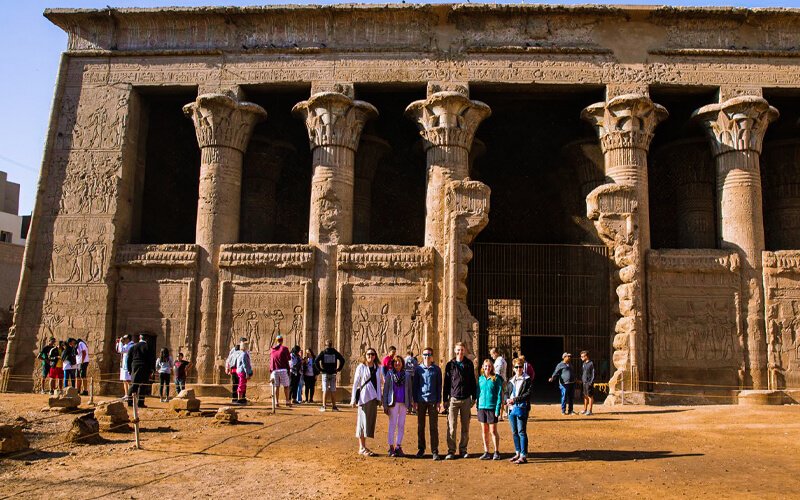
The Temple of Esna is one of the most remarkable ancient sites in Egypt, drawing travelers eager to explore the rich cultural and historical heritage of Esna city. Known for its striking architecture, detailed carvings, and the famous temple of Esna zodiac, the temple is dedicated to the god Khnum, who was believed to create human life and control the waters of the Nile.
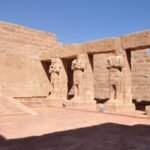
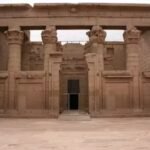
Visitors to the temple of Khnum at Esna are greeted by a majestic hypostyle hall, supported by 24 intricately decorated columns. The grandeur of these columns, combined with the reliefs of deities and sacred symbols, makes the temple of Esna Egypt a living museum of Ptolemaic and Roman art. Exploring the ancient temple of Esna provides a rare opportunity to connect with the spiritual and cultural essence of ancient Egypt.
The temple of Khnum Esna Egypt is particularly famous for its ceiling, which features the Temple of Esna zodiac, a unique astronomical map depicting the Egyptian understanding of the cosmos. Travelers who appreciate both art and science will find this feature captivating. The carvings illustrate constellations, deities, and celestial patterns that were essential to the religious and agricultural life of the region.
Planning your visit with Luxury Trips To Egypt, the best travel agency in Egypt, guarantees a seamless experience. Our expert guides provide in-depth explanations of the temple’s historical, religious, and astronomical significance, making every tour educational and engaging. From the massive columns to the detailed inscriptions, every aspect of the temple of Esna reflects the ingenuity and devotion of its builders.
For travelers exploring Upper Egypt, the Esna temple of Khnum offers a quieter, more intimate experience compared to the more famous Luxor and Karnak temples, making it an essential stop for those seeking both history and serenity.
Historical Background of the Temple of Esna
The Temple of Esna dates back to the Ptolemaic era and was completed during the Roman period. Dedicated primarily to Khnum, the temple of Khnum in Esna was central to the spiritual life of the city. Khnum, depicted with a ram’s head, was revered as the god who formed humans on his potter’s wheel and ensured the fertility of the land through control of the Nile waters.
Constructed strategically along the west bank of the Nile, the temple of Esna Egypt was accessible to pilgrims and travelers who came to pay homage, make offerings, and participate in religious festivals. The inscriptions on the walls of the temple of Khnum Esna narrate ceremonies, divine interventions, and royal dedications, giving modern visitors a window into the religious practices of the time.
The ancient temple of Esna exhibits a fascinating blend of Egyptian and Greco-Roman architecture. While its layout and core structure are Egyptian, decorative elements and inscriptions in Greek reflect the influence of Roman governance. This fusion makes the temple of Esna zodiac not only a religious monument but also a testament to the cultural interactions of the period.
The temple’s history also highlights restoration efforts carried out during the Roman period, which added decorative reliefs and inscriptions. Travelers exploring the temple of Khnum at Esna today can witness these layers of history, from the original Ptolemaic foundations to Roman embellishments, all preserved within the monumental walls.
Luxury Trips To Egypt offers guided tours that explain the historical significance of every relief, hieroglyph, and column in the temple of Khnum Esna Egypt. Our expert guides help travelers understand the spiritual, cultural, and political contexts that shaped this magnificent temple, ensuring a complete and enriching experience.
Architectural Marvels of the Temple of Esna
The ancient temple of Esna is renowned for its architectural splendor. Its hypostyle hall features 24 massive columns, each meticulously carved with scenes of gods, goddesses, and ceremonial rituals. These columns exemplify the height of Ptolemaic craftsmanship, blending functionality with artistic beauty.
Visitors to the temple of Esna Egypt are often captivated by the intricate reliefs depicting the Esna goddess, Khnum, and other deities central to Egyptian belief. The artistry on display demonstrates not only technical skill but also profound spiritual significance, as each carving was created to honor the divine.
A standout feature is the temple of Esna zodiac on the ceiling, an extraordinary depiction of celestial bodies and constellations. This map illustrates the Egyptians’ deep understanding of astronomy and its connection to religious practices. Travelers often find this combination of art, science, and spirituality one of the most fascinating aspects of the temple of Khnum Esna.
The temple also reflects careful planning in its architectural design. Its orientation, column spacing, and carved reliefs were all intended to create an immersive spiritual experience for worshippers. The temple of Khnum Esna Egypt stands as a testament to the ingenuity of ancient Egyptian architects, who merged aesthetic, religious, and functional elements into a single cohesive space.
Tours organized by Luxury Trips To Egypt allow travelers to explore the temple in detail, with explanations about each column, hieroglyph, and celestial carving. Visitors leave with a deeper appreciation for the architectural mastery and spiritual purpose of the temple of Esna.
Cultural Significance of the Temple of Esna
The Temple of Esna was more than a place of worship—it was a center of cultural and religious life in Esna city. Dedicated to Khnum, the temple of Khnum at Esna played a vital role in the spiritual and civic life of the community. The god Khnum was believed to create humans, control the Nile, and oversee agricultural fertility, making this temple a hub for ceremonies and offerings.
The ancient temple of Esna also features depictions of the Esna goddess and other important deities, reflecting the Egyptian understanding of divine hierarchy and spiritual balance. The temple of Esna zodiac, carved on the ceiling, integrates religious practice with astronomical observation, showcasing how ancient Egyptians connected the heavens with daily life.
The temple’s reliefs illustrate rituals, offerings, and ceremonial events, giving modern travelers a vivid sense of ancient Egyptian culture. The temple of Khnum Esna Egypt served as both a spiritual sanctuary and a cultural repository, preserving knowledge, artistic traditions, and religious narratives.
Visitors touring with Luxury Trips To Egypt benefit from expert guidance that brings the cultural and spiritual significance of the temple of Esna to life. From understanding the symbolism of each carving to the historical context of festivals and ceremonies, travelers gain a complete appreciation of this remarkable site.
Exploring the temple of Esna Egypt immerses travelers in a rich cultural tapestry, combining religion, astronomy, and artistry into a unified and unforgettable experience.
Visiting Tips and Practical Information
Traveling to the Temple of Esna requires preparation to ensure a memorable experience. Located near the center of Esna city, the temple is accessible from Luxor and other Nile cities. Many visitors include it as part of a Nile cruise itinerary or a guided cultural tour.
Arriving early in the morning is ideal to avoid heat and crowds. The ancient temple of Esna is best explored with a guide, who can explain the significance of the carvings, the temple of Esna zodiac, and the various deities depicted in the temple of Khnum at Esna.
Photography is allowed, so travelers can capture the intricate columns, ceilings, and reliefs. Comfortable shoes are recommended, as exploring involves walking over sandstone floors and steps. Local markets and cafes in Esna city provide opportunities to relax and experience local culture after visiting the temple.
Luxury Trips To Egypt offers customized tours with transportation, professional guides, and detailed historical explanations, ensuring travelers enjoy a stress-free and enriching visit to the temple of Khnum Esna Egypt. Our tours include practical advice, ensuring safety, comfort, and maximum engagement.
Best Time to Visit the Temple of Esna
The Temple of Esna can be visited year-round, but the best time is between October and April, when temperatures are mild and comfortable. Early mornings or late afternoons provide ideal lighting for photography, especially for the temple of Esna zodiac and column reliefs.
Visiting during local festivals or quieter hours enhances the experience, providing insight into traditions and the spiritual ambiance that has persisted since ancient times. Luxury Trips To Egypt offers flexible scheduling to help travelers experience the temple of Esna Egypt at the most opportune times, combining comfort and cultural immersion.
Nearby Attractions in Esna and Luxor
Esna city itself is a fascinating destination, with traditional markets, artisan shops, and charming streets. Visitors can explore local crafts and immerse themselves in Egyptian culture.
Nearby Luxor offers iconic attractions, including the Luxor Temple, Karnak Temple, and the Valley of the Kings. Combining a visit to the temple of Khnum Esna with these sites provides a complete Upper Egypt experience.
Nile cruises often include Esna city as a stop, offering scenic views of the river and villages while exploring the temple of Khnum in Esna. Luxury Trips To Egypt provides curated tours that combine these attractions, ensuring a seamless and enriching journey.
How to Reach the Temple of Esna
The Temple of Esna is approximately 55 kilometers south of Luxor. Visitors can reach it by car, bus, or Nile cruise. Nile cruises are particularly popular, combining sightseeing with comfortable travel.
For independent travelers, taxis and private tours from Luxor are convenient. The temple is centrally located in Esna city, making it easy to explore on foot. Luxury Trips To Egypt provides organized tours covering transportation and expert guidance to ensure a seamless experience at the temple of Khnum Esna Egypt.
Tour Packages by Luxury Trips To Egypt
Luxury Trips To Egypt offers exclusive tours to the Temple of Esna, combining comfort, education, and cultural immersion. Packages include private transportation, expert guides, and access to key historical sites.
Highlights include detailed exploration of the Temple of Esna zodiac, the Esna goddess, and the temple of Khnum in Esna, with in-depth explanations of history, architecture, and spiritual significance. Tours also include nearby attractions, offering travelers a complete Egyptian experience.
Booking with Luxury Trips To Egypt ensures a hassle-free visit, with every detail—from entry tickets to historical commentary—handled professionally. Travelers leave with lasting memories of the temple of Esna Egypt and surrounding cultural heritage.
Traveler Experiences and Testimonials
Travelers consistently praise the Temple of Esna for its grandeur, historical significance, and serene atmosphere. The temple of Khnum Esna Egypt and the Temple of Esna zodiac leave a lasting impression, offering both beauty and knowledge.
Visitors highlight the value of booking with Luxury Trips To Egypt, noting seamless organization, expert guidance, and a rich cultural experience. Families, solo travelers, and groups appreciate the balance of comfort, education, and exploration.
The Esna temple of Khnum provides a quieter, more intimate experience compared to Luxor’s larger temples. Travelers leave with a deep appreciation for ancient Egyptian culture, religion, and architecture, reinforced by the professionalism of Luxury Trips To Egypt.
Conclusion
The Temple of Esna is a must-visit for all travelers to Egypt. Its architectural beauty, historical significance, and cultural richness make it a highlight of any trip. From the temple of Khnum at Esna to the mesmerizing Temple of Esna zodiac, every detail reflects Egypt’s ancient genius.
Booking your visit with Luxury Trips To Egypt, the best travel agency in Egypt, ensures a comfortable, educational, and unforgettable journey. Explore the ancient temple of Esna, enjoy nearby attractions, and immerse yourself in the history and culture of Upper Egypt.