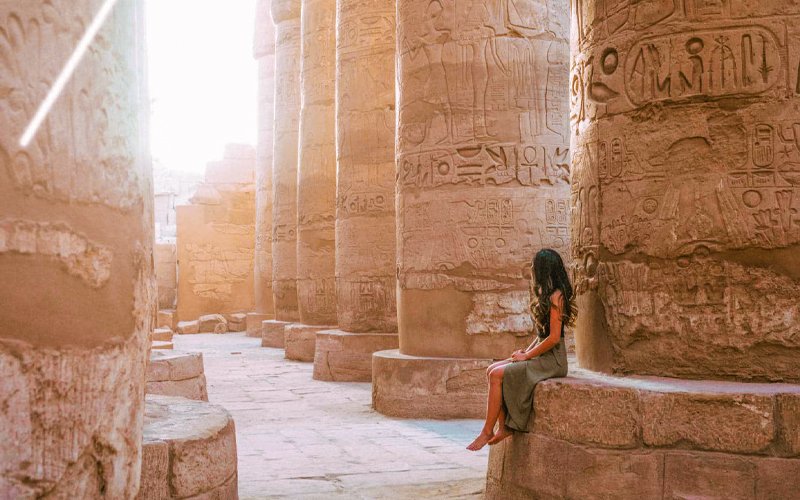
Kom Ombo Temple is one of Egypt’s most extraordinary ancient landmarks, standing gracefully along the east bank of the Nile between Edfu and Aswan. Known as the Temple of Kom Ombo, it fascinates travelers from around the world with its rare architectural design and spiritual duality. Unlike any other Egyptian temple, Kom Ombo was built for two gods: Sobek, the crocodile god of strength and fertility, and Horus the Elder, the falcon god of protection and kingship. This dual dedication makes it a true architectural masterpiece that reflects the balance between good and evil in ancient Egyptian belief.
When you first step onto the temple grounds, you immediately sense the harmony of its design. Every wall and column of Kom Ombo Temple Egypt tells a story—of devotion, craftsmanship, and divine power. The temple was once surrounded by crocodile-filled waters, reminding worshippers of Sobek’s mighty presence. Today, it stands as one of the most visited ancient Egyptian places, representing the essence of ancient Egyptian cities and their sacred traditions.
Visitors who come here with Luxury Trips To Egypt, the best travel agency in Egypt, often describe the site as a gateway to ancient times. The atmosphere, the carvings, and the location itself make it a remarkable stop on any journey through Kom Ombo Aswan. Whether you are fascinated by history, mythology, or architecture, this temple offers a deep connection to Egypt’s glorious past.
Where Is Kom Ombo Located?
To understand the magic of Kom Ombo, you must first appreciate its setting. The Temple of Kom Ombo Egypt lies about 47 kilometers north of Aswan and 165 kilometers south of Luxor, perched on a small hill overlooking a curve in the Nile River. This location was not chosen by chance—it was a place where ancient Egyptians once saw crocodiles basking in the sun, inspiring the temple’s dedication to Sobek.
Kom Ombo Egypt is a charming town that still reflects traces of its ancient heritage. The name “Kom Ombo” itself combines two words: “Kom,” meaning mound, and “Ombo,” derived from the ancient word “Nubt,” which means gold city. So, the Kom Ombo meaning is literally “the hill of gold.” This rich heritage made the area not only a religious site but also a vital settlement during ancient times.
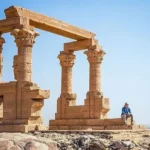
If you’re wondering where is Kom Ombo located on modern maps, you’ll find it perfectly situated for Nile cruises. Many travelers sailing from Luxor to Aswan stop here to explore the Kom Ombo Temples, as it provides a peaceful riverside setting surrounded by lush landscapes. From sunrise to sunset, the light reflects beautifully off the sandstone columns, making it a favorite location for photographers seeking the best Kom Ombo Temple photos and Kom Ombo Temple images.
When you visit with Luxury Trips To Egypt, your tour will include all the insider details—how to get there, the best times to visit, and what to look for among the intricate carvings. For anyone exploring Egypt Kom Ombo, the temple’s proximity to Aswan makes it a perfect addition to your cultural journey.
History of Kom Ombo Temple
The Kom Ombo Temple history is as rich as the carvings on its ancient walls. Built during the Ptolemaic dynasty around 180–47 BCE, the Temple of Kom Ombo was constructed under the rule of Ptolemy VI Philometor and later expanded by subsequent rulers, including Ptolemy XII and Roman emperors. Unlike older temples dedicated to a single god, Kom Ombo was uniquely designed to serve two deities simultaneously—Sobek and Horus the Elder.
Ancient texts and reliefs suggest that the site was once home to an earlier structure from the New Kingdom, possibly built by Thutmose III. The Ptolemaic kings rebuilt it on a grander scale, using Greek-Egyptian architectural styles that reflected the era’s cultural fusion. When was the Kom Ombo Temple built?—sometime between the 2nd and 1st centuries BCE—but it continued to be expanded and restored even into Roman times.
The Temple of Kom Ombo Egypt served as both a place of worship and a medical center. One of its walls depicts detailed surgical instruments—an extraordinary discovery that shows ancient Egypt’s advanced knowledge of medicine. This historical significance adds to the allure of Kom Ombo Temple Egypt history, revealing how the site was more than a spiritual sanctuary—it was also a hub for learning and healing.
Despite centuries of Nile flooding and erosion, the temple remains remarkably preserved. Thanks to conservation efforts, visitors today can still see the Kom Ombo Temple plan, which includes twin entrances, twin sanctuaries, and perfectly symmetrical halls. Every element of the layout embodies balance, a concept central to ancient Egyptian cosmology.
The Dual Design – Temple Dedicated to Sobek and Horus
One of the most fascinating Kom Ombo Temple facts is its dual design. The Temple of Kom Ombo is divided into two identical sections, each dedicated to a different god. On the southern side, the temple honors Sobek, symbolizing power, fertility, and protection against the dangers of the Nile. On the northern side, it honors Horus the Elder (Haroeris), the falcon-headed god representing light, order, and healing.
Each side of the temple features its own halls, sanctuaries, and ceremonial rooms—completely symmetrical yet unified by the same central axis. This rare design makes Kom Ombo Temple Egypt one of the most unique temples in the world. The Kom Ombo Temple plan demonstrates a perfect harmony that mirrors the balance between chaos and order, darkness and light, embodied by Sobek and Horus.
Exploring the Temple of Kom Ombo photos reveals how beautifully the carvings represent both deities. You’ll see crocodiles beside falcons, each guarding sacred offerings and symbolic motifs. The artistry reflects the devotion of ancient priests who performed rituals to maintain balance between these opposing forces.
Modern visitors often ask, “Why was the Temple of Kom Ombo built?” It was not just a shrine but also a symbol of coexistence between divine opposites. In a land where the Nile could bless or destroy, Sobek and Horus together represented survival and justice. This makes the Temple of Kom Ombo not only an architectural wonder but also a profound spiritual statement about the Egyptian worldview.
Sobek: The Crocodile God of Kom Ombo
No discussion of Kom Ombo Temple is complete without mentioning Sobek, the crocodile god. Revered since the Old Kingdom, Sobek was associated with the life-giving yet dangerous power of the Nile. His role was complex—both protector and destroyer, a deity of fertility and fear. The people of Kom Ombo Egypt believed worshipping Sobek would keep them safe from crocodiles and ensure a plentiful harvest.
Archaeologists have discovered dozens of mummified crocodiles near the temple—many of which are now displayed at the Crocodile Museum of Kom Ombo. This unique museum allows visitors to see these sacred relics up close, offering tangible insight into ancient Egyptian beliefs. These fascinating finds have inspired global curiosity about crocodile temple Egypt legends.
Among the many facts about Sobek, one stands out: he was also linked to royal power. Pharaohs often claimed divine lineage from Sobek to emphasize their strength and ability to control chaos. The Sobek temple Egypt thus became both a place of worship and a political symbol.
Even today, Kom Ombo Temple crocodiles remain one of the main attractions for visitors. The walls depict Sobek with a crocodile head and human body, holding the ankh and scepter—symbols of life and authority. Whether you’re a history lover or a first-time traveler, learning 10 facts about Sobek and exploring his temple gives you a deeper understanding of Egypt’s spiritual diversity.
Architectural Plan and Artistic Design of Kom Ombo Temple
The architecture of the Kom Ombo Temple showcases the brilliance of ancient Egyptian engineering. Its symmetrical layout is rare and visually stunning. The Kom Ombo Temple map shows two parallel sanctuaries, two hypostyle halls, and two sets of doorways. Every part of the Kom Ombo Temple plan mirrors the other, symbolizing equality between Sobek and Horus.
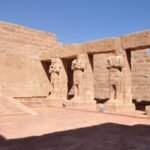
As you walk through the entrance pylons, you’ll find elaborate hieroglyphs illustrating rituals, offerings, and divine ceremonies. The ceiling once displayed celestial designs, representing the heavens, while the floors symbolized the earth and Nile waters. Such artistry makes the Kom Ombo Temple images breathtakingly detailed.
Notably, one wall features carvings that many historians consider among the earliest representations of medical instruments—scalpels, forceps, and surgical jars—hinting at Kom Ombo’s importance as a center of healing. This section alone attracts thousands of curious minds each year, contributing to Kom Ombo Temple reviews praising its educational value.
The craftsmanship and symmetry of Temple Kom Ombo set it apart from other monuments in ancient Egyptian cities. Despite centuries of damage from earthquakes and floods, its structure remains remarkably well-preserved. Restoration efforts have revealed vibrant color traces, showing how vivid it once was.
Kom Ombo Temple Facts and Hidden Secrets
There are countless Kom Ombo facts that make this site a treasure of Egyptian history. Here are a few of the most captivating:
-
The Temple of Kom Ombo was built on top of an older temple from the New Kingdom.
-
The temple’s dual design is one of a kind in all of Egypt.
-
Reliefs show ancient surgical tools, suggesting advanced medical knowledge.
-
Crocodile mummies were offered as sacred tributes to Sobek.
-
The temple’s inscriptions include measurements related to the Nile’s flood levels, making it a historical hydrological record.
-
When was Kom Ombo built? Around 180 BCE, but additions continued through Roman times.
The Kom Ombo Temple significance lies not only in its design but in its message of balance and harmony. It’s also believed that part of the temple once functioned as a calendar, aligned with solar movements. Visitors fascinated by ancient mysteries often spend hours decoding these carvings.
The nearby Nile River adds to the atmosphere. Watching the sunset from Kom Ombo’s terraces gives travelers an unforgettable view of golden reflections across the water. No wonder so many temple of Kom Ombo photos flood social media feeds of travelers who visit with Luxury Trips To Egypt.
Daily Life in Ancient Kom Ombo City
The ancient city surrounding the Kom Ombo Temple—known historically as Ombos—was once a thriving settlement. It served as both a religious and economic hub in ancient Egyptian cities. Farmers, priests, craftsmen, and traders all lived near the temple, forming a vibrant community that revolved around worship and agriculture.
The fertile Nile banks supported crops, while crocodiles basked nearby. Despite the dangers, the river was the lifeblood of Kom Ombo in Egypt. People made offerings to Sobek, hoping to appease him and ensure safe waters. The Temple of Kom Ombo Egypt thus became central to both spiritual and everyday life.
Ancient markets near the temple sold goods like pottery, jewelry, and papyrus scrolls. Archaeologists found remnants of houses, workshops, and granaries around the site, offering glimpses into daily routines thousands of years ago. Festivals were common, celebrating the cycles of the Nile and honoring the gods of fertility and protection.
Exploring these ruins gives travelers a deeper sense of connection to the past. Standing among the stones, you can almost hear echoes of prayers once whispered to the gods. Kom Ombo Temple Egypt today might be a historical site, but it remains alive in spirit—a reminder of how faith and survival intertwined in ancient times.
Why Is the Temple of Kom Ombo Important?
Why is the Temple of Kom Ombo important? Because it represents balance—between gods, humans, and nature. Its twin sanctuaries to Sobek and Horus show how the Egyptians embraced harmony even in opposition. Few structures in the ancient world express this duality so elegantly.
The temple also holds immense archaeological and cultural value. Reliefs and inscriptions found here have expanded modern understanding of Ptolemaic art, medicine, and engineering. Moreover, it is one of the few temples that actively depicts Nile gauge markings, helping historians study climate and river patterns.
For travelers exploring Aswan Kom Ombo or Kom Ombo Temple Egypt, the experience is not just about sightseeing—it’s about understanding how a civilization once saw itself reflected in the cosmos. The Temple of Kom Ombo history captures the intersection of faith, science, and art in one majestic place.
Visiting this temple with Luxury Trips To Egypt guarantees you a comprehensive experience guided by experts who reveal its hidden meanings. They ensure travelers don’t just see the temple, but truly feel its historical soul. This attention to detail makes every journey to Kom Ombo Temple a deeply enriching one.
Visiting Kom Ombo Temple Today
Visiting the Kom Ombo Temple is one of the highlights of any Nile journey. The temple is open year-round, and the Kom Ombo Temple opening hours typically run from 7:00 AM to 5:00 PM. The best times to visit are early morning or late afternoon when the sunlight enhances the reliefs’ textures, making your Kom Ombo Temple photos spectacular.
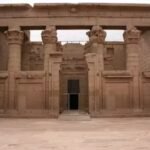
Most travelers arrive by cruise ship, docking briefly for guided tours. The site is well maintained, and the surrounding gardens and paths make it easy to explore. Kom Ombo Temple Egypt photo opportunities are endless—from the grand entrance to the intricate hieroglyphs that narrate stories of divine rituals.
The nearby Kom Ombo Crocodile Museum adds a fascinating stop where visitors can see mummified crocodiles and ancient artifacts. Whether you’re a photographer, historian, or casual traveler, the experience feels like stepping back 2,000 years.
For the smoothest experience, booking with Luxury Trips To Egypt ensures your visit is perfectly organized. They provide professional guides who share rich historical insights while arranging comfortable transportation from Aswan Kom Ombo or nearby areas. You’ll also enjoy personalized tours, giving you time to absorb the temple’s serene atmosphere.
Kom Ombo Temple and Modern Egypt Tourism
Today, Kom Ombo Temple continues to inspire awe as part of Egypt’s most important tourist attractions. Its unique story and riverside beauty make it a favorite stop for travelers from all around the world. Luxury Trips To Egypt, the best travel agency in Egypt, offers tailor-made tours that combine Kom Ombo with nearby landmarks like Edfu Temple, Philae Temple, and the majestic Abu Simbel.
Egyptian tourism authorities have invested in preserving the site, ensuring visitors can experience its grandeur safely. Many cruise itineraries include Kom-Ombo Temple as an afternoon stop, allowing travelers to enjoy both cultural exploration and scenic relaxation. Whether you arrive from Luxor, Aswan, or by road, the journey is as captivating as the destination itself.
Modern travelers appreciate the temple not only for its beauty but also for its symbolic value—a reminder of how ancient Egypt balanced faith with reason. Standing here, you witness how history, mythology, and artistry merge into one timeless masterpiece. This makes Kom Ombo Temple Egypt one of the best cultural destinations in the world.
Conclusion – The Eternal Legacy of Kom Ombo Temple
The Kom Ombo Temple is far more than an ancient ruin—it’s a living monument to Egypt’s enduring spirit. From its dual dedication to Sobek and Horus to its artistic perfection and medical symbolism, every inch of this temple speaks to human creativity and devotion.
Travelers who explore the Temple of Kom Ombo Egypt often describe the experience as transformative. Whether you’re gazing at the Kom Ombo Temple images, admiring the carvings, or simply standing by the Nile’s gentle flow, you can feel the same awe that ancient Egyptians once did.
For those planning to visit, Luxury Trips To Egypt offers the most authentic and luxurious way to experience this wonder. With expert guides, comfortable transport, and curated itineraries, your visit becomes more than a trip—it becomes a journey through time.
As the sun sets behind the pillars of Kom Ombo Temple, the golden light bathes the carvings in warmth, whispering stories of gods, kings, and the eternal Nile. The temple remains one of Egypt’s brightest symbols of faith, harmony, and timeless beauty—a treasure that continues to captivate every traveler who walks its sacred ground.