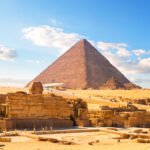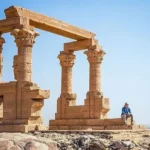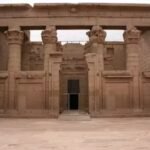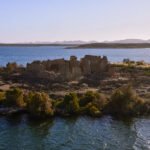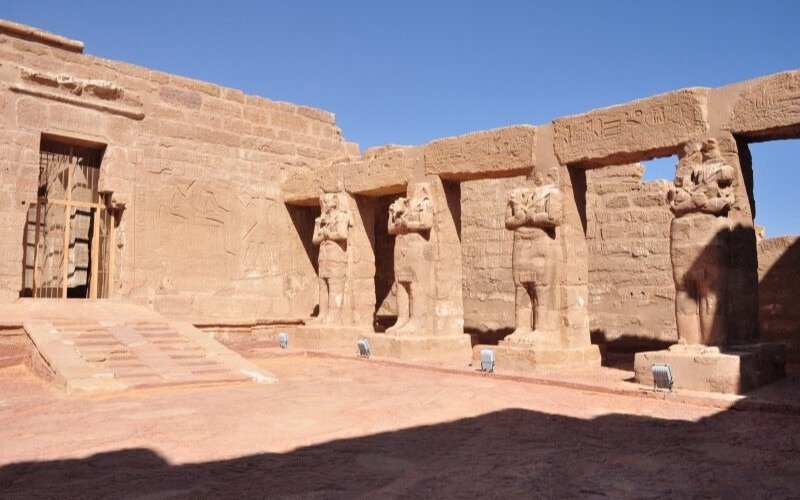
The Temple of Wadi es-Sebua is one of southern Egypt’s most magnificent Nubian temples, located on the western bank of the Nile near Aswan. Known for its grand pylons, stately columns, and beautifully preserved reliefs, the temple is a must-visit for travelers exploring wadi el seboua or planning a wadi es-sebua excursion. Often visited alongside the temple of dakka or the temple of the winged lions, Wadi es-Sebua offers a vivid glimpse into the grandeur of ancient Egyptian religious architecture.
Originally built during the reign of Ramesses II, the temple was dedicated to Amun and Horus of Miam. Visitors exploring wadi es sebua and temple of es can see inscriptions and reliefs celebrating the pharaoh’s victories and divine authority. For those seeking historical photography opportunities, temple of wadi es-sebua provides stunning visuals of ancient columns, winged sun disks, and lion statues that evoke the power and sophistication of New Kingdom Egypt.
The temple’s strategic relocation during the Aswan High Dam project preserved it from flooding, ensuring modern travelers can enjoy its architecture, carvings, and surrounding landscapes. For tourists curious about lions in egypt or the symbolism of lions of egypt, Wadi es-Sebua offers remarkable examples of lion-headed deities and protective motifs that were central to Nubian and Egyptian worship.
History of the Temple of Wadi es-Sebua
The Temple of Wadi es-Sebua was constructed by Ramesses II during the 19th Dynasty and served as a prominent religious and ceremonial site in Nubia. Travelers interested in rameses prince of egypt history or the evolution of Nubian temples will find this site fascinating. The temple’s name translates to “Valley of the Lions,” reflecting the prominent lion statues that guard its entrance, symbolizing strength and protection.
Over the centuries, the temple underwent modifications and additions by later rulers, blending Egyptian and Nubian architectural styles. For those exploring sebua or ez-zebua, the temple is a prime example of how Pharaohs extended their religious and political influence into Nubia. The inscriptions on the walls celebrate military campaigns and divine patronage, illustrating the dual function of the temple as both a religious and propaganda center.
The temple was originally connected by causeways and courtyards to other regional structures, forming a network of sacred sites along the Nile. Its relocation to protect it from Lake Nasser flooding preserved its structural and artistic integrity. Today, travelers exploring temple of wadi el-sebua can appreciate the meticulous craftsmanship, vibrant reliefs, and historical significance, making it one of Nubia’s most important archaeological sites.
Location and Accessibility
The Temple of Wadi es-Sebua is situated approximately 125 kilometers north of Aswan, on the west bank of the Nile. Its accessibility makes it a convenient stop for travelers visiting ouadi es seboua or the broader Nubian temple circuit, which includes temple of dakka and temple of the winged lions.
The site is reachable via road, often included in guided tours offered by tour operators who provide context on the temple’s history, architecture, and religious significance. Its relocation during the Aswan High Dam project placed it on higher ground, preserving it from flooding while making it easier for visitors to explore the temple complex.
For photographers and cultural enthusiasts, the temple’s location offers picturesque views of the Nile and surrounding desert landscapes. Travelers interested in wadi valley or studying valley of the lions symbolism will find the temple’s setting ideal for both observation and exploration. Combining Wadi es-Sebua with nearby Nubian monuments provides a rich cultural itinerary for anyone exploring southern Egypt.
Architectural Features
The Temple of Wadi es-Sebua is renowned for its massive pylons, broad courtyards, and elegant hypostyle halls. Travelers exploring temple of wadi es-sebua or temple of wadi el-sebua will notice the temple’s symmetry, grand entrance, and winged sun disks carved above doorways, which symbolize protection and divine authority.
The temple features statues of Ramesses II flanked by lions, highlighting the pharaoh’s divine power and the religious significance of lions in ancient Egyptian and Nubian culture. For those interested in lions egypt, these statues are among the most impressive surviving examples. Columns, reliefs, and inscriptions depict the king performing rituals, receiving offerings, and celebrating military victories.
Interior spaces, including the sanctuaries and chapels, reflect both ceremonial and spiritual functions. Visitors can explore the es temple layout, with carefully arranged halls, offering tables, and wall reliefs. The combination of artistic craftsmanship and monumental design ensures that the temple is both visually stunning and historically significant.
Cultural and Religious Significance
The Temple of Wadi es-Sebua served as a central place of worship for Amun and Horus of Miam. It illustrates the fusion of Egyptian and Nubian religious practices, which is evident in the temple’s inscriptions, reliefs, and statues. Visitors exploring temple of es or the temple of es can understand how Nubian temples were strategically built to reinforce Egyptian influence in southern Egypt.
The lion statues, or lions temple features, signify strength, divine protection, and the pharaoh’s authority. Symbols of lions of egypt appear throughout the temple, reflecting their significance in Egyptian religious thought. Wall reliefs show offerings, rituals, and ceremonial activities, providing insight into the spiritual life of ancient Nubia and Egypt.
Visiting Wadi es-Sebua allows travelers to appreciate the continuity of religious traditions in Nubia and how temples functioned as both spiritual and political centers. For anyone studying wadi el seboua, the temple offers a vivid example of how architecture and symbolism reinforced pharaonic power.
Visiting the Temple of Wadi es-Sebua
Travelers planning a visit to the Temple of Wadi es-Sebua should allocate several hours to explore the temple, its statues, and reliefs. Guided tours from tour operators provide historical context, highlighting the significance of the temple’s reliefs, lion statues, and architectural layout.
Visitors should wear comfortable shoes for walking over stone surfaces and bring sun protection, as much of the site is exposed to the Egyptian sun. Photography enthusiasts will enjoy capturing lions in egypt symbolism, winged sun disks, and statues of Ramesses II. Combining a visit with nearby temples like temple of dakka enriches the experience, allowing travelers to observe patterns and differences in Nubian and Egyptian temple design.
The temple’s relocation and conservation efforts ensure safe access for tourists, while maintaining its historical authenticity. Travelers interested in ez-zebua or ez zebua will appreciate the insights provided by knowledgeable guides on-site.
Nearby Attractions and Excursions
The Temple of Wadi es-Sebua is part of a larger network of Nubian temples along the Nile. Visitors often combine it with temple of dakka, temple of the winged lions, and wadi el seboua for an immersive cultural tour.
Guided excursions often include historical commentary, scenic stops along the Nile, and photography opportunities. Travelers exploring temple of wadi es-sebua can observe the architectural and symbolic connections between these sites. The surrounding desert and river landscapes provide excellent backdrops for photography and cultural appreciation.
For those planning a Nile cruise or a guided day trip, including Wadi es-Sebua ensures exposure to one of the most well-preserved Nubian temples, with lion motifs, grand pylons, and ceremonial halls that reflect the spiritual and political significance of ancient Egypt.
Preservation and Archaeology
The Temple of Wadi es-Sebua is a remarkable example of heritage preservation. Its relocation during the Aswan High Dam project prevented it from submersion, ensuring that future generations can explore the temple safely. Archaeologists continue to study the temple’s reliefs, statues, and inscriptions to better understand Nubian-Egyptian interactions during the New Kingdom.
Conservation efforts protect the temple of wadi el-sebua, statues, and wall reliefs while allowing visitors to explore the site. Scholars and tourists alike can observe details of temple of es, lion statues, and ceremonial structures, gaining insight into ancient Egyptian religious architecture and Nubian influences.
Preservation work ensures that travelers interested in lions egypt, lions of egypt, or valley of the lions can witness these symbols in their original context. The temple demonstrates how meticulous archaeological and conservation efforts maintain the integrity of Egypt’s ancient heritage.
Why Visit the Temple of Wadi es-Sebua
The Temple of Wadi es-Sebua offers travelers a unique opportunity to explore Nubian temple architecture, ancient Egyptian religious practices, and monumental art. Its lion statues, grand pylons, and ceremonial halls provide both aesthetic and historical appeal.
Visitors interested in wadi es-sebua, temple of wadi es-sebua, or the surrounding Nubian temples will find it a highlight of southern Egypt itineraries. Combining the temple visit with temple of dakka or temple of the winged lions allows travelers to compare architectural styles, religious symbolism, and cultural influences.
For those seeking a comprehensive exploration of Nubian temples, Egyptian symbolism, and pharaonic heritage, Wadi es-Sebua delivers an unforgettable experience, blending history, architecture, and the stunning Nile landscape.