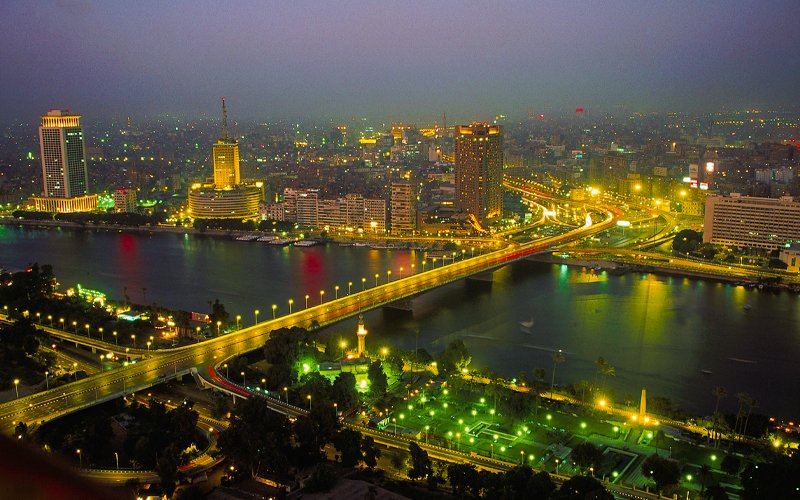
Capital of Egypt is Cairo, a bustling metropolis where history, culture, and modern life converge. Often referred to as the city of thousand minarets, Cairo is not only the political and economic hub of the country but also a cultural treasure trove. Travelers visiting cairo egypt can explore ancient monuments, vibrant markets, and contemporary attractions that showcase Egypt’s rich heritage.
Understanding the egypt capital is crucial for anyone planning a trip, as Cairo’s streets, neighborhoods, and landmarks reflect centuries of civilization. From the towering minarets of historic mosques to the glittering Nile River views, the capital city of egypt offers a unique combination of history, spirituality, and modern amenities.
This guide will cover the capital of egypt in detail, exploring its history, geography, cultural highlights, tourist attractions, and travel tips. Whether you are visiting the egypt capital city for the first time or revisiting, this article will provide essential insights to enhance your journey.
Cairo: The Heart of Egypt
Cairo is the largest city in Africa and the Middle East, situated on the eastern bank of the Nile River. Known locally as egypt cairo, it serves as the nation’s political, cultural, and educational center. The city’s strategic location along the egypt river made it historically significant, connecting Upper and Lower Egypt and serving as a hub for trade and governance.
Travelers exploring cairo, egypt will notice a fascinating mix of ancient and modern architecture. Historic districts showcase city of thousand minarets with Islamic architecture, bustling souks, and Ottoman-era buildings. Modern Cairo, with its skyscrapers and commercial centers, highlights the capital of egypt as a dynamic urban environment.
Cairo’s neighborhoods, including Zamalek, Downtown, and Islamic Cairo, offer distinct experiences. Visitors to the capital city of egypt can enjoy riverfront promenades, museums, and cultural centers that bring the city’s rich history to life. Recognizing Cairo as the cairo capital of egypt helps travelers navigate its vast streets and explore both ancient and contemporary attractions.
Historical Significance of Cairo
The capital of Egypt has been inhabited for thousands of years, though modern Cairo was officially founded in 969 AD by the Fatimid dynasty. Today, the city preserves its heritage through historical landmarks like the Citadel of Saladin, Al-Azhar Mosque, and the Coptic Cairo district.
Exploring cairo capital sites provides insight into Egypt’s Islamic, Coptic, and Pharaonic past. Visitors will find that even the capital of cairo district preserves centuries-old architecture and bustling marketplaces, reflecting Cairo’s continuous cultural evolution.
The city’s history as a center of learning and governance contributes to its modern significance. From Al-Azhar University, one of the oldest universities in the world, to numerous museums, the egypt capital city serves as a living repository of Egyptian history.
Geography and Layout
The capital of Egypt lies along the Nile River, extending from the Nile Delta in the north to the desert fringes in the south. Understanding the cairo egypt geography helps travelers plan visits to key districts, ancient sites, and modern attractions.
Cairo’s layout includes historic neighborhoods, modern business districts, and sprawling residential areas. Travelers exploring egypt cairo will appreciate how the city’s streets intertwine ancient alleys with wide boulevards. Notable areas include Islamic Cairo, the Coptic Quarter, Garden City, and Heliopolis.
The city’s location along the Nile provides both cultural and recreational opportunities. River cruises, waterfront promenades, and iconic views of the river highlight the importance of the capital of egypt in shaping life and travel experiences.
Key Landmarks in Cairo
Cairo capital is home to some of the most famous landmarks in the world. Travelers exploring the capital of egypt should not miss:
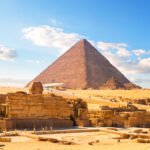
- The Pyramids of Giza: Although technically on the outskirts, these wonders are synonymous with Cairo.
- The Egyptian Museum: Housing thousands of artifacts, including Tutankhamun’s treasures.
- Al-Azhar Mosque and Islamic Cairo: Showcasing Cairo’s historic city of thousand minarets.
- Coptic Cairo: Including the Hanging Church and ancient Christian sites.
Visitors to the egypt capital city can combine these historical sites with modern attractions like Tahrir Square, Nile cruises, and vibrant markets. The city’s layered history makes it a top destination for travelers seeking culture, history, and architecture.
Culture and Traditions
The capital of Egypt is a cultural melting pot. From traditional music and cuisine to modern art galleries, Cairo reflects Egypt’s diverse heritage. Travelers visiting cairo egypt can experience Egyptian traditions in local festivals, street markets, and religious celebrations.
Cairo capital is particularly famous for its vibrant food scene. Visitors can enjoy traditional dishes like koshari, ful medames, and freshly baked bread in local eateries. The city’s egypt cairo neighborhoods preserve cultural practices, making it easy for travelers to immerse themselves in local life.
Understanding the capital city of egypt through its culture allows travelers to appreciate the everyday life of locals alongside Egypt’s monumental history.
Tourism and Travel Tips
Travelers planning to visit the capital of Egypt should know about transportation, accommodations, and attractions. Cairo’s metro, taxis, and river ferries make it accessible, while hotels range from luxury resorts to budget stays.
Visitors exploring cairo capital of egypt can combine sightseeing with Nile cruises, desert excursions, and day trips to Giza. Understanding the cairo, egypt travel logistics ensures a smooth and enriching experience.
Cultural etiquette, safety tips, and guided tours help travelers navigate egypt capital city respectfully and enjoyably. Local guides often highlight lesser-known sites, enhancing the visitor experience beyond the famous landmarks.
Modern Cairo
Modern cairo egypt is a bustling metropolis with skyscrapers, shopping malls, and contemporary cultural hubs. Travelers exploring capital of cairo areas will notice the dynamic blend of old and new, where historic mosques coexist with modern cafes and art galleries.
Business districts, universities, and cultural centers make Cairo a city of innovation while maintaining its rich egyptian heritage. Visitors can explore local markets, attend concerts, and enjoy modern Egyptian cuisine in areas like Downtown Cairo, Zamalek, and Heliopolis.
Surrounding Attractions and Day Trips
Travelers in the capital of Egypt can easily access nearby attractions. The Giza Plateau, Saqqara, and Dahshur pyramids are within reach for day trips. The Nile Delta offers rural landscapes, traditional villages, and birdwatching opportunities.
Understanding the location of cairo in relation to these sites helps travelers maximize their visit. Cruises along the Nile and excursions to ancient monuments allow visitors to experience both the urban and historical sides of Egypt.
Shopping, Markets, and Souks
Cairo capital is famous for its bustling markets. Travelers can explore Khan el-Khalili, a historic bazaar offering souvenirs, jewelry, spices, and textiles. Exploring egypt cairo markets provides insight into local craftsmanship and cultural traditions.
Markets, or souks, in the capital of Egypt are also places to interact with locals, taste street food, and discover unique Egyptian products. Understanding cairo, egypt shopping districts enhances the travel experience for visitors seeking authentic cultural immersion.
Conclusion
The Capital of Egypt is Cairo, a city where history, culture, and modern life intersect. Travelers exploring cairo egypt can enjoy ancient landmarks, bustling markets, and cultural experiences that make the city unique.
From the iconic city of thousand minarets to modern attractions, Cairo embodies Egypt’s rich heritage. Understanding the egypt capital city helps travelers navigate its streets, appreciate its culture, and explore its historical significance. Whether visiting the pyramids, cruising the Nile, or exploring local markets, the capital of egypt offers a full spectrum of experiences for every traveler.