Nile River Location has fascinated travelers, historians, and explorers for centuries. Known as the longest river in Africa, the Nile is not only a natural wonder but also the backbone of Egyptian civilization. Understanding the nile location is essential for anyone planning a trip to Egypt or studying its history, as the river shaped agriculture, settlement patterns, and culture for thousands of years.
The egypt river flows northward through northeastern Africa, passing through Sudan and Egypt before emptying into the Mediterranean Sea. Travelers often inquire about the nile river city locations, such as Cairo and Luxor, which are historically and culturally connected to the river. Knowing the river nile location provides a deeper appreciation of Egypt’s geography, from the fertile Nile Delta to the arid deserts on either side.
The location of the Nile River has influenced everything from the rise of ancient cities to modern tourism. Visitors exploring egypt nile river cruises or Nile-side attractions will see firsthand why the river has been called the lifeblood of Egypt. From the fertile banks supporting agriculture to iconic temples along the river, understanding the egypt nile map helps travelers navigate both historical and natural landmarks.
This guide will explore the Nile’s location, its major cities, tributaries, historical significance, and role in modern tourism, providing a comprehensive resource for travelers seeking to explore Egypt’s iconic river.
The Geography of the Nile
The nile location stretches over 6,650 kilometers, making it the longest river in the world. It originates from two major tributaries: the White Nile, beginning in the Great Lakes region of East Africa, and the Blue Nile, originating from Lake Tana in Ethiopia. These two tributaries converge near Khartoum, Sudan, forming the main Nile that flows through Egypt.
Travelers exploring rivers in Egypt will find that the Nile’s course shapes the country’s geography, creating fertile lands amid vast deserts. The river’s floodplains historically allowed agriculture to flourish, supporting ancient Egyptian cities along its banks. Modern egypt nile river tourism relies on these geographic features, offering scenic cruises, riverbank excursions, and access to ancient temples like Karnak and Philae.
The Nile Delta, located near the Mediterranean, is another critical aspect of the location of the Nile River. This region is densely populated and agriculturally rich, highlighting how the river’s geography continues to sustain Egypt’s economy. Understanding the egypt nile map is essential for travelers navigating the river’s course, visiting historic cities, or exploring its natural landscapes.
Nile River Cities and Attractions
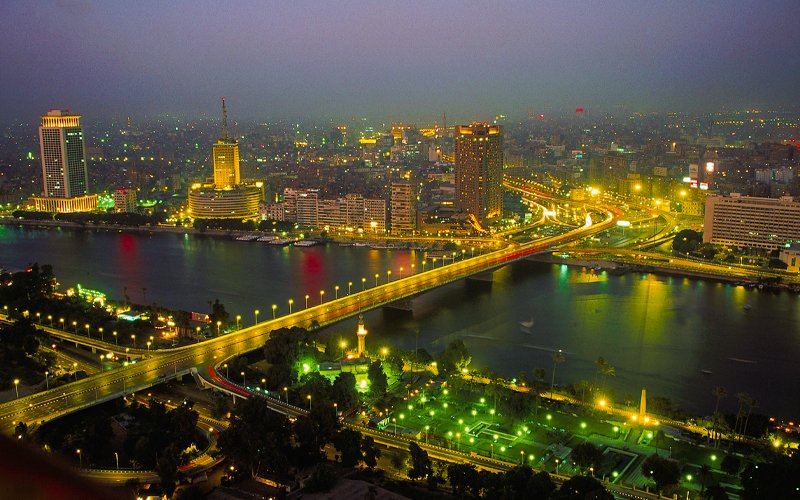
The Nile is home to many nile river city locations that have been pivotal throughout Egyptian history. Cairo, the modern capital, lies on the Nile’s east bank and is a gateway for travelers exploring the river and nearby pyramids. Luxor, often called the world’s greatest open-air museum, is another key city located along the Nile. Travelers visiting nile river cairo or Luxor experience the unique blend of ancient monuments, vibrant markets, and cultural heritage.
Other notable cities include Aswan, famous for the Aswan High Dam, and Alexandria, near the Nile Delta. Exploring egypt nile river attractions allows travelers to see temples, tombs, and monuments that owe their existence to the river. The Nile’s navigable waters have historically linked these cities, creating a network of trade, culture, and tourism that continues today.
For travelers seeking authentic experiences, river cruises provide access to multiple nile river city locations in one journey. These cruises often follow the nile location from Aswan to Luxor, passing iconic sites and offering immersive cultural experiences.
Historical Significance of the Nile
The nile river location, egypt has shaped the development of one of the world’s oldest civilizations. Ancient Egyptians relied on the Nile’s annual floods for agriculture, leading to the growth of cities and monumental architecture. Ancient egypt symbols and temples along the river reflect its central role in society, from spiritual practices to governance.
The Nile provided water, transportation, and fertile land, enabling cities like Thebes and Memphis to thrive. Travelers exploring egypt river banks can still witness remnants of ancient irrigation systems, temples, and monuments that illustrate the river’s historical importance. The Nile was not just a physical resource but also a spiritual and cultural symbol, inspiring myths, rituals, and the Egyptian calendar.
Understanding nile river location helps travelers appreciate the strategic placement of ancient cities and monuments. The river’s proximity influenced urban planning, religious centers, and trade routes, making it integral to both ancient and modern Egypt.
The Nile Delta and Fertile Lands
The Nile Delta, near the Mediterranean Sea, is one of the most fertile regions in Egypt. Travelers interested in agriculture, ecology, or rural life will find the Delta an essential part of the nile location. Here, the river splits into multiple distributaries, creating a lush landscape contrasting with the surrounding desert.
Historically, the Delta supported ancient Egyptian settlements, including cities like Alexandria. Exploring egypt nile map highlights the connection between the river’s flow, fertile lands, and historical sites. Modern travelers can enjoy birdwatching, riverine landscapes, and visits to local villages that continue to rely on the Nile for sustenance.
The Delta also demonstrates how the Nile’s egyptian symbolism extends beyond spirituality to practical life. Fertility, growth, and abundance are themes mirrored in the river’s influence on the land and people.
Nile River Tributaries and Lakes
The Nile’s major tributaries, the White Nile and Blue Nile, are critical to understanding the nile location. The White Nile brings steady flow from East Africa, while the Blue Nile contributes the majority of silt, enriching the soil along its course. Travelers exploring egypt river origins can trace these tributaries to appreciate the Nile’s regional impact.
Important lakes along the Nile, such as Lake Nasser in southern Egypt, were created by the Aswan High Dam. These water bodies support irrigation, hydroelectric power, and tourism. Travelers using the egypt nile map can locate these features and plan trips to experience fishing, boat tours, and cultural excursions along the river.
Tourism Along the Nile
The nile river city locations provide diverse opportunities for tourism. Cruises, cultural tours, and historical explorations are centered around the river egypt. Tourists can explore temples at Luxor, monuments in Aswan, and bustling markets in Cairo.
Travelers looking to understand egypt nile river importance often combine visits to ancient sites with modern river experiences, such as felucca rides and Nile-side dining. The nile river location guides travelers through the heart of Egypt’s culture, history, and natural beauty.
Modern Cities and Infrastructure
Modern infrastructure, including bridges, dams, and canals, highlights the continuing significance of the Nile. The Aswan High Dam, located along the nile river location, egypt, regulates flooding, provides hydroelectric power, and supports agriculture. Cities like Cairo and Alexandria rely on the Nile for water supply and transportation.
Travelers exploring egypt nile map will notice how urban development interacts with the river, blending modern life with historical landscapes. Understanding the nile river cairo area enhances planning for sightseeing, river cruises, and exploring surrounding monuments.
Ecological and Environmental Aspects
The Nile is home to diverse ecosystems. From crocodiles and hippos in southern Egypt to migratory birds in the Delta, travelers interested in wildlife will find rivers in egypt rich in biodiversity. The river supports agriculture, fishing, and freshwater habitats, reflecting its critical role in both nature and human civilization.
Understanding neel nadi ka dusra naam and local terms helps travelers navigate ecological tours and interact with local guides who explain the river’s environmental significance.
Cultural Significance and Festivals
The Nile has inspired festivals, myths, and traditions. Ancient Egyptians celebrated the annual inundation with ceremonies and offerings. Modern travelers can witness cultural events and river-based activities, connecting with Egypt’s history along the egypt nile river.
From folk stories to historical monuments, the nile river location continues to shape Egypt’s cultural identity, making it a must-visit for travelers seeking a deep cultural experience.
Conclusion
The Nile River Location is more than a geographic feature; it is the lifeline of Egypt. Travelers exploring egypt river banks, ancient cities, and delta regions gain insight into history, culture, and modern life. Understanding the river nile location, major tributaries, and cities along the Nile enriches any visit, making the river not just a destination but a journey through Egypt’s heart.
From nile river cairo to Luxor, the Nile guides travelers through landscapes shaped by history, culture, and nature. Knowledge of the egypt nile map and nile river city locations ensures travelers maximize their experience, connecting with Egypt’s lifeblood in a meaningful way