Egyptian Dog God: Anubis The Friend of the Dead in Ancient Egypt is a topic that continues to attract travelers, researchers, and fans of ancient mythology who want to understand why a deity with the head of a dog or jackal became one of the most respected figures in ancient beliefs. Many first-time visitors to Egypt encounter the figure of Anubis on temple walls, museum statues, papyrus paintings, and souvenir markets, yet few know the deeper story behind this mysterious guardian. This curiosity often leads people to questions such as “anubis dog?”, “is Anubis a dog?”, “what animal is Anubis?”, and “who is Anubis?”—queries that reveal how widespread this fascination has become.
For travelers preparing a journey through Egypt, understanding the mythology behind Anubis provides more meaning when visiting tombs, museums, and archaeological sites. It explains why the ancient Egyptians placed such trust in this god and why his figure appears so frequently in funerary art. Whether someone searches for egyptian dog god, egypt dog god, or dog god Egypt, the goal is always the same: learning why this jackal-headed deity became a symbol of protection rather than fear. Throughout this article, each section will guide the reader through the origins, evolution, and role of Anubis, blending cultural insight with practical travel knowledge and including related keywords such as anubis egyptian god, egyptian god with dog head, egyptian god dog, anubis god, egyptian dog head god, and even the Spanish queries like dios perro egipcio and anubis que animal es, ensuring clarity without switching languages. This approach allows travelers to enjoy a helpful resource while also understanding how different audiences search for the same ancient story.
Why a Dog? Understanding the Animal Behind Anubis
Travelers exploring Egypt often ask the same question: “What animal is Anubis?” or in Spanish, “anubis que animal es” and “que animal es Anubis?” The answer is less about one specific animal and more about symbolism. Anubis isn’t actually a dog. He is based on the African golden jackal, a desert-dwelling creature that ancient Egyptians associated with cemeteries. These animals were commonly seen near burial grounds, not because they worshipped death, but because sand-covered tombs were ideal hiding places and the desert provided a natural home. Over time, Egyptians developed the belief that a supernatural jackal could protect the dead from real jackals, and this idea evolved into the egyptian dog god known today.
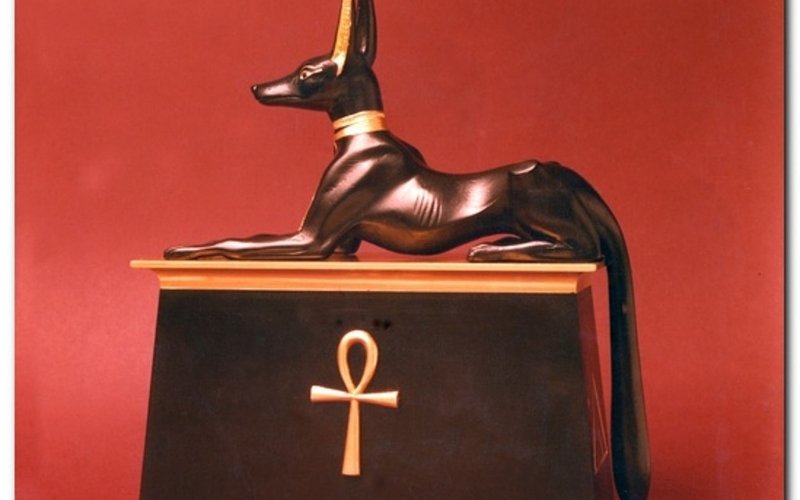
This also explains why people often search for anubis dog, anubis animal, or egyptian dog. The mistake of calling him a “dog” comes from early archaeologists who used simple terms to help people imagine ancient deities. The head of Anubis resembles a slender, long-snouted jackal more than any domestic dog. This is why his statues show tall ears, a narrow snout, and smooth curves—characteristics of the jackal, not a dog.
Understanding this detail adds depth to a traveler’s experience. When visiting places like the Egyptian Museum in Cairo, Luxor Temple, the Valley of the Kings, or the Saqqara necropolis, the jackal figure appears again and again. Knowing why it is there transforms a simple observation into something meaningful. The jackal represented a guardian of the desert, a creature who could watch over burial grounds and guide souls to the afterlife—thus becoming a perfect symbol for a protector. This role is often misunderstood, which is why search terms like dog god or god of dogs appear online. Anubis was never a deity of dogs; instead, he was the guardian of souls, tombs, and mummification. His animal form was chosen not because Egyptians worshipped dogs, but because they respected the jackal’s natural ability to survive, navigate, and defend its territory in the harsh desert environment.
So, while travelers may ask “is Anubis a dog?”, the answer is that he represents something far more symbolic. This distinction becomes clear when exploring ancient sites where his statues guard entrances, stand beside sarcophagi, or appear as black-painted guardians of tomb walls. Those images remind travelers of his purpose: not fear, but protection.
The Origins of Anubis: From Desert Guardian to Divine Protector
Before travelers arrive in Egypt, many search “who is Anubis?” or simply “Anubis,” expecting a short answer. However, the origins of this deity stretch across thousands of years and reflect how deeply ancient Egyptians valued the transition between life and death. Anubis, known as Inpu or Anpu in ancient Egyptian language, first appeared in mythology long before many of the more famous gods such as Horus or Osiris. In fact, he was one of the earliest deities to gain widespread recognition.
The identity of Anubis evolved over time. In the earliest periods, he was described as the god of the desert edge, where cemeteries were located. This environment shaped his role as a guardian against scavengers and as a symbolic protector of the dead. As Egyptian beliefs became more complex, Anubis expanded into a spiritual guide, responsible for preparing, protecting, and guiding souls to the afterlife.
This development helps explain why so many travelers encounter his image in museums and tombs. Whether you walk through the tombs at Saqqara or the Valley of the Kings in Luxor, you’ll notice depictions of Anubis overseeing funerary rituals. The deeper you explore, the more you understand why terms like egyptian dog god, anubis egyptian god, or egyptian god anubis appear so frequently in online searches. His representation symbolized trust, transition, and the promise of safe passage beyond death.
Travelers also find interest in how Anubis connects to local customs. When ancient Egyptians prepared the dead for burial, they believed in preserving the body so the soul could recognize it in the afterlife. This was not done out of fear but out of respect and devotion. Anubis became the divine guide who ensured the rituals were performed correctly and that no harm came to the body or the spirit.
Mythologically, Anubis was once considered the son of Ra, the sun god, and later became known as the son of Osiris and Nephthys. These shifting relationships reflect how Egyptian theology changed over centuries. But one constant remained: Anubis was always the guardian of the dead and the protector of tombs.
Understanding this background enriches the experience of exploring Egypt, especially sites like the Temple of Hatshepsut, where Anubis statues flank the entrances, or the tombs where he appears in painted scenes. His presence is not random; it’s a reminder of the Egyptians’ profound dedication to honoring those who passed on.
What Is Anubis the God Of? A Guide for Travelers
One of the most common questions from tourists is “what is Anubis the god of?” The short answer is that Anubis was the god of mummification, tomb protection, and the journey into the afterlife. But the long answer is more fascinating and helps explain why his image is so widespread across Egypt’s archaeological sites.
Anubis’ primary role was protecting bodies and souls. He oversaw embalming and ensured every ritual step was done properly. This gave him an intimate connection to the funerary process, making him essential to Egyptian beliefs about the afterlife. When you visit places like the Egyptian Museum, you’ll often see statues showing Anubis standing over sarcophagi—a clear symbol of his protective role.
He was also the guardian of tombs, a responsibility reflected in the phrase dog Egyptian god or egyptian dog head god, which people often type when searching for the deity with the jackal head seen guarding burial chambers. He was believed to patrol the desert, watching for intruders—both physical and spiritual. Visitors exploring the Valley of the Queens or the tombs of nobles in Luxor often notice scenes where Anubis stands between the living and the dead, symbolizing the border between worlds.
Additionally, Anubis served as the guide of souls, or psychopomp in modern terms. Egyptians believed that after death, the soul traveled through dangerous realms before reaching judgment. Anubis was the one who guided them safely, holding a lantern or leading them by hand. This is why his presence appears near the entrance of tombs and in scenes of the “Weighing of the Heart,” where he ensures fairness and balance.
When travelers learn this, their visits gain depth. Suddenly, the black-painted statues, the carved jackal figures, and the wall paintings are no longer mysterious; they’re expressions of care, faith, and protection. This connection explains why so many searches for what is Anubis, Anubis god, or egypt dog arise online. People sense his importance even before they understand his story.
By learning his roles before traveling, visitors appreciate the culture on a deeper level. While exploring temples in Luxor, walking through the corridors of tombs in the West Bank, or viewing coffins in museums, they recognize the presence of the protector who watched over the ancient Egyptians and continues to fascinate travelers today.
The Symbolism Behind Anubis’ Appearance
When travelers encounter Anubis in Egypt—whether at the Egyptian Museum in Cairo, the Museum of Luxor, or the tombs of ancient nobles—the first thing they usually notice is his striking appearance. The tall black ears, the long snout, and the sleek animal form represent one of the most recognizable gods in the ancient world. Many people search phrases like egyptian dog head god, egyptian god with dog head, or anubis dog to understand what this symbolic figure represents.
Each part of Anubis’ appearance carried meaning:
- The Jackal Head
The jackal head represented vigilance, awareness, and protection. Jackals naturally patrol the desert, so their image served as a guardian. This is why Anubis appears at tomb entrances—he was believed to protect the resting place of the dead. - The Black Color
Unlike modern associations with evil, black symbolized rebirth, fertile soil, and regeneration in ancient Egypt. During the annual flooding of the Nile, the river left black silt behind, which farmers considered a blessing. By painting Anubis black, Egyptians were expressing their belief in rebirth, not darkness. - The Human Body
Combining an animal head with a human body reflected the dual nature of Egyptian gods—part earthly, part divine. It signified the connection between the physical world and the spiritual one. - The Scepter and Tail
Anubis often holds a flail or a staff symbolizing authority. The tail hanging behind his skirt identifies him as a deity rather than a mortal.
Understanding these features helps travelers appreciate the artistic choices made by ancient Egyptians. When visiting Saqqara, the massive wooden statue of Anubis reveals these symbols clearly. In Luxor, wall paintings show him overseeing rituals using the same consistent imagery, highlighting his importance across centuries. Even at souvenir shops, statues of Anubis maintain these symbolic elements because they carry deep cultural meaning rather than being decorative.
For tourists exploring Egyptian sites, recognizing this symbolism adds context and transforms the experience from simple sightseeing to cultural understanding. It also explains why online searches for what animal is Anubis or Spanish terms like dios perro egipcio continue to rise—people want to understand the story behind the form.
Anubis and Mummification: The Heart of His Role
Every traveler who visits Egypt’s temples and tombs eventually comes across scenes of mummification—priests preparing the body, performing rituals, and reciting spells. At the center of these scenes stands Anubis, the egyptian dog god responsible for ensuring the body remained intact for the afterlife.
Mummification was not a simple procedure; it required precision, respect, and knowledge. Egyptians believed that the soul needed to recognize its body after death. Because of this, the preservation process became a sacred ritual, and Anubis became the divine supervisor who made sure everything was done correctly.
This role explains many modern searches like anubis egyptian god, anubis god, and what is Anubis the god of. Travelers visiting museums will often see scenes where Anubis embalms a pharaoh or noble. In the famous Tomb of Tutankhamun, a life-size statue of Anubis crouches on a shrine, guarding the treasures within—a perfect example of his protective role.
During mummification, Anubis was believed to:
- Oversee the purification of the body
- Protect the embalming tools
- Guard the internal organs placed in canopic jars
- Ensure rituals were performed accurately
- Keep evil spirits away
- Guide the soul to the next stage of the journey
This connection between ritual and belief highlights why Anubis remained popular for thousands of years. He was not a god of fear, but of care. Ancient Egyptians saw death not as an end but as a continuation, and Anubis ensured that continuation was safe.
Travelers who visit mummification museums in Luxor or explore tombs in the Valley of the Kings gain a deeper understanding of these practices. Seeing statues, carvings, and scenes of burials becomes more meaningful when you understand Anubis’ role in these rituals.
Anubis in the Afterlife: The Weighing of the Heart
One of the most iconic scenes in Egyptian mythology is the Weighing of the Heart, a ritual that determined whether a soul was worthy of entering the afterlife. Anubis played a central role in this ceremony, and his presence is found in numerous tombs and papyri throughout Egypt.
According to mythology, the heart of the deceased was weighed against the feather of Ma’at, the symbol of truth and justice. If the heart was light and pure, the soul could continue its journey. If it was heavy with wrongdoing, it would be devoured by Ammit, a monstrous creature.
Anubis served as:
- The Guide, who brought the soul into the Hall of Judgment
- The Guardian, ensuring no interference from demons
- The Judge’s Assistant, operating the scales
- The Protector, calming the soul during the process
This storyline appears in searches like egyptian dog god, anubis god, egyptian story, or egyptian story of creation, because people often explore Anubis while reading broader Egyptian mythology.
Travelers can see depictions of this ceremony in several sites:
- Tomb of Seti I in the Valley of the Kings
- Luxor Museum
- The Papyrus Collection in Cairo
- Tombs of nobles in Luxor’s West Bank
Seeing these murals in person offers a deeper appreciation for the moral values of ancient Egyptians. They believed that life mattered not only for the living, but also for the legacy left behind. Anubis’ role in this process made him not only a divine figure but also a symbol of fairness and truth.
Where Travelers Can See Anubis Today in Egypt
For travelers arriving in Egypt, seeing Anubis in person is one of the most memorable experiences. His statues and images appear across the country, but certain locations make his story come alive.
- Egyptian Museum, Cairo
This museum houses numerous statues, amulets, and coffins featuring Anubis. Travelers can closely observe the details in his face, color, and symbolism.
- Saqqara
The Step Pyramid area includes tombs with well-preserved scenes of Anubis overseeing rituals.
- Valley of the Kings
Inside the tombs, the jackal-headed god appears in murals guiding souls to the afterlife.
- Luxor Museum
This museum has several statues of Anubis in crouching and standing positions.
- Temple of Hatshepsut
Travelers can see large relief carvings of Anubis guarding ceremonial spaces.
- Abu Simbel
Wall scenes include depictions of Anubis participating in funerary rites.
Exploring these sites provides travelers with a real connection to the mythology behind the egypt dog god and helps answer the curiosity behind searches like dog god Egypt, egyptian god dog, or egypt dog.
Conclusion
Anubis continues to fascinate modern travelers not because he appears mysterious, but because his story reflects care, protection, and cultural depth. Whether someone searches for anubis dog, egyptian dog god, dog god, what animal is Anubis, or Spanish terms like dios perro egipcio, the interest reveals how universal this ancient figure has become.
By understanding Anubis before traveling, visitors gain insight and appreciation when walking through temples, tombs, and museums. His presence across Egyptian heritage reflects a belief system that valued respect, purity, and the importance of guiding the soul. Anubis was not just a guardian of the dead—he was a symbol of trust, transition, and eternal protection.