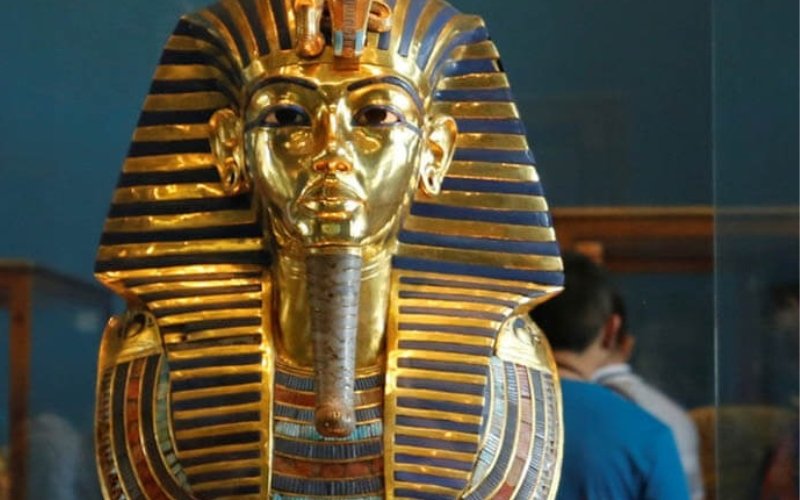
Ancient Egyptian Pharaohs remain one of the most enduring symbols of leadership, spirituality, and cultural achievement in human history. Many travelers planning journeys through the Nile Valley want to understand who these pharaohs were, what roles they played, and how their legacies continue to shape the temples, tombs, and monuments they will explore. Curiosity about egyptian pharaohs, pharaohs of egypt, and pharaohs of ancient egypt comes naturally when standing before the pyramids or walking through Luxor Temple, where every wall carries stories of rulers who shaped civilization. This guide is designed to help you explore the lives, duties, succession, and legacy of ancient egyptian pharaohs so your travels become richer, more meaningful, and better connected to the stories that bring the past to life.
Understanding the Role of the Pharaoh
The position of the pharaoh was far more than kingship; it represented authority over the land, the people, and the spiritual harmony of the kingdom. Travelers exploring ancient sites often wonder why pharaohs held such immense significance. The answer lies in the Egyptian worldview. The pharaoh was regarded as the earthly representative of divine forces, responsible for preserving balance, justice, and harmony—concepts known as Maat. Because of this, pharaohs were addressed as both egyptian kings and living gods, guiding the prosperity of the country.
Ancient egypt pharaohs were guardians of the Nile’s bounty, protectors of borders, and leaders of monumental building projects. Their responsibilities extended to religious rituals performed in temples, reinforcing their bond with the gods. This connection is visible in temple offerings, carved scenes, and inscriptions found across Egypt, from Karnak to Abu Simbel. Travelers often notice that temple walls depict pharaohs offering gifts to gods, symbolizing their duty to maintain cosmic order.
Pharaohs also governed political matters, military strategy, and economic activity. They led armies during conflicts, forming alliances or defending the borders. Famous pharaohs such as Thutmose III, Ramesses II, and Seti I left detailed accounts of military campaigns. Meanwhile, rulers like Amenhotep III and Hatshepsut emphasized diplomacy and trade, strengthening Egypt’s global influence.
The question “how many pharaohs were there?” appears among common searches by people planning trips to Egypt. While the exact number varies depending on sources, most historians suggest around 170–200 rulers across more than 30 dynasties. These dynasties spanned approximately 3,000 years, each contributing to Egypt’s evolving culture and identity.
As travelers explore sites such as Saqqara, Luxor, and the Valley of the Kings, they encounter physical evidence of these rulers’ ambitions. Each monument became a declaration of power, a legacy, and a message to both the people and the gods. Understanding the pharaoh’s central role adds new depth to every site you visit, transforming archaeological remains into narratives of leadership and belief.
The Origins and Early Dynasties
To appreciate the pharaohs of egypt in order, it helps to look back at the beginning of pharaonic rule. The first kings emerged around 3100 BCE, when Upper and Lower Egypt were unified under a ruler traditionally identified as Narmer. This event marked the creation of the world’s first centralized state and laid the foundation for the dynastic system that defined ancient Egyptian civilization.
During the Early Dynastic Period, pharaohs established political structures, religious traditions, and artistic styles that influenced later generations. Travelers visiting archaeological sites like Abydos or Memphis encounter ruins and stelae that document these early rulers. Many of the pharaoh names from this era appear on the “Narmer Palette” and other artifacts preserved in museums today.
The Old Kingdom, known for the construction of the pyramids, represents a pivotal moment in the evolution of pharaonic authority. Pharaohs such as Djoser, Sneferu, and Khufu transformed the Egyptian landscape with architectural innovations. Their pyramid complexes remain some of the world’s most iconic structures and continue to attract visitors seeking to understand the engineering brilliance of ancient egyptian pharaohs.
Egypt’s early rulers also implemented systems for agriculture, taxation, and administration. The Nile’s annual flooding created fertile soil, but organizing its use required strong leadership. Pharaohs created irrigation systems, granaries, and labor networks, ensuring stability in both rural and urban communities.
Understanding the development of mısır firavunları (Turkish for “Egyptian pharaohs”) helps travelers appreciate how leadership evolved through centuries of prosperity and challenge. These early foundations shaped Middle and New Kingdom rulers who expanded Egypt’s power, built temples, and left inscriptions that guide modern historians.
When standing before pyramids or walking through early temples, travelers gain a sense of the long timeline behind egypt pharaohs list and the monumental legacy carried forward by generations of rulers. The origins of pharaonic power provide context that enriches every journey across ancient landscapes.
The Middle Kingdom: Stability and Cultural Growth
The Middle Kingdom represents a period of renaissance, marked by political stability, artistic advancement, and cultural refinement. Travelers exploring sites from this era, such as Beni Hasan or the remains of Itjtawy, discover a more humanized portrayal of pharaohs and daily life. This era often appeals to those interested in how egyptian kings balanced governance with cultural expression.
Pharaohs like Mentuhotep II, who reunified Egypt after political fragmentation, restored confidence in the throne. The Middle Kingdom emphasized justice, literature, and intellectual life, making it a particularly fascinating chapter in pharaohs of ancient egypt. This is the period when classical Egyptian literature flourished, offering insights into morality, leadership, and everyday concerns. Texts such as “The Story of Sinuhe” reveal how storytelling evolved under royal patronage.
Architecturally, Middle Kingdom pharaohs built fortresses, temples, and irrigation projects. Their constructions were more modest than Old Kingdom pyramids but often more refined in detail. Travelers visiting tombs in the cliffs of Beni Hasan will notice intricate murals depicting sports, hunting, and family life—valuable resources for understanding ancient egyptian pharaohs and their societal priorities.
One of the most intriguing aspects of the Middle Kingdom is the shift toward more accessible leadership. Pharaohs portrayed themselves as shepherds of the people, emphasizing compassion and responsibility. This shift highlights the evolving nature of pharaonic identity, distinguishing this period from the grand monument-focused Old Kingdom.
The Middle Kingdom also expanded Egypt’s trade networks, connecting with regions such as Byblos, Nubia, and the Red Sea coast. These interactions enriched the economy and allowed pharaohs to accumulate resources used for building projects and temple offerings.
For travelers exploring museums or touring Middle Kingdom sites, this era provides a deeper understanding of the rulers behind lesser-known pharaoh names. Though not as globally famous as New Kingdom rulers, Middle Kingdom pharaohs contributed significantly to Egypt’s political and cultural foundations. Their efforts prepared the way for the golden age of the New Kingdom, which many travelers admire today through temples and tombs.
The New Kingdom: Egypt’s Golden Age
The New Kingdom is the era most travelers associate with ancient Egyptian greatness. This period produced many famous pharaohs and some of the most impressive monuments still standing. Visitors exploring the East and West Banks of Luxor, Karnak Temple, Abu Simbel, and the Valley of the Kings can trace the footsteps of rulers who elevated Egypt to unprecedented heights.
Pharaohs such as Ahmose I and Thutmose III transformed Egypt into a powerful empire, extending influence into the Near East and Nubia. Their military successes created wealth that supported monumental building programs. Travelers wondering about the pharaoh list from this era will encounter names that dominate Egyptian history books: Hatshepsut, Akhenaten, Tutankhamun, Seti I, Ramesses II, and many others.
Hatshepsut is particularly noteworthy. When travelers search “siapa firaun perempuan yang memerintah mesir selama 22 tahun dan dikenal membangun banyak monumen,” they are referring to Hatshepsut—a female pharaoh who ruled for over two decades and left architectural masterpieces such as the Mortuary Temple at Deir el-Bahari. Her reign emphasized trade, peace, and innovation, making her one of the most influential ancient egypt pharaohs.
Another significant ruler, Akhenaten, introduced a radical shift by promoting the worship of Aten. His religious reforms created one of the most intriguing periods for travelers interested in unconventional histories. The Amarna era offers insights into artistic evolution, as seen in elongated depictions of royal figures and distinctive architectural styles.
Ramesses II, known as Ramesses the Great, left more monuments than any other pharaoh. His temples at Abu Simbel and his colossal statues at Luxor Temple remain essential stops for travelers seeking a deeper connection to ancient egyptian pharaohs list and their architectural legacy.
The New Kingdom also saw the construction of the Valley of the Kings, where rulers sought elaborate tombs protected from tomb robbers. Tutankhamun’s tomb, discovered nearly intact, offers a breathtaking glimpse into royal funerary practices.
For travelers, the New Kingdom provides unforgettable experiences. This era’s temples, statues, and inscriptions bring to life the achievements, beliefs, and ambitions of egypt pharaohs, revealing why this period is celebrated as Egypt’s golden age.
Queens, Co-Regents, and Female Pharaohs
While pharaohs were predominantly male, several women played significant leadership roles, shaping Egypt’s political and cultural landscape. Travelers often express curiosity about female rulers when exploring temples and tombs, especially as Egyptian art frequently depicts powerful queens beside kings.
Hatshepsut stands as the most prominent female pharaoh. Her reign challenged conventional expectations and expanded the role of royal women. Her architectural accomplishments, particularly her beautiful terraced temple, highlight her impact on both politics and cultural heritage.
Other influential queens, such as Nefertiti, played central roles in religious and political affairs. Though not always listed among official pharaohs of egypt in order, Nefertiti’s influence during the Amarna Period was immense. Her graceful sculptures, found in museums worldwide, symbolize power and elegance.
Queens such as Tiye and Ahmose-Nefertari also shaped the course of dynasties. Their political insight, religious authority, and influence over succession made them key figures in ancient Egypt. Travelers visiting Luxor’s tombs or the Valley of the Queens frequently encounter depictions of these powerful women, offering insight into royal life beyond kings.
There were also co-regencies—periods where a king shared power with a trusted partner. Travelers studying ancient egyptian pharaohs names often notice joint inscriptions featuring two rulers. These partnerships ensured smooth transitions and strengthened governance during challenging periods.
Exploring the stories of queens adds depth to the understanding of royal families. Their roles as mothers, advisors, priestesses, and leaders allow travelers to appreciate the full complexity of pharaonic society and the diverse voices shaping Egypt’s long history.
The Legacy of Pharaohs in Monuments and Temples
One of the greatest attractions for travelers exploring Egypt is the vast network of monuments built by pharaohs. Each structure tells a story of ambition, faith, and identity. When visiting temples, tombs, and statues, travelers encounter inscriptions that form a living record of ancient egyptian pharaohs.
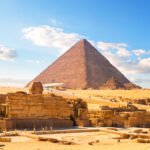
The pyramids remain among the most iconic achievements. Standing before the Great Pyramid, travelers witness the engineering mastery of Old Kingdom pharaohs. These structures were not just tombs but symbols of cosmic order and royal authority.
Temples such as Karnak and Luxor display the expansion of religious and political power during the New Kingdom. Walking through their massive halls, travelers feel the presence of rulers like Seti I and Ramesses II, who carved their names into nearly every available surface.
The Valley of the Kings offers a deeply personal look at royal beliefs about the afterlife. Tombs filled with scenes from funerary texts show how pharaohs prepared for a journey beyond death. Tutankhamun’s golden treasures, showcased in museums, reveal the extraordinary craftsmanship dedicated to royal burial.
Nubian monuments like Abu Simbel demonstrate Egypt’s reach into neighboring regions. Travelers who visit this site often describe it as one of the most impressive experiences of their journey.
Every monument contributes to the vast legacy of pharaohs of egypt, showing how architecture became a medium through which rulers communicated their achievements, beliefs, and vision for eternity.
Famous Pharaohs Every Traveler Should Know
Travelers planning trips to Egypt frequently search for famous pharaohs and their achievements. Understanding key rulers helps bring context to the sites you will explore.
Khufu – Builder of the Great Pyramid
Khafre – Associated with the Sphinx
Menkaure – Known for his elegant triad statues
Mentuhotep II – Reunifier of Egypt
Ahmose I – Founder of the New Kingdom
Hatshepsut – Successful female pharaoh and accomplished builder
Thutmose III – Military genius and empire builder
Amenhotep III – Diplomatic ruler behind monumental constructions
Akhenaten – Religious reformer and founder of Amarna
Tutankhamun – Icon of modern archaeology
Seti I – Builder of temples and military leader
Ramesses II – The most prolific builder and one of history’s most famous egyptian pharaohs
Travelers exploring temples dedicated to these rulers gain a deeper understanding of their ambitions and contributions. Studying these names before visiting Egypt enriches your experience, helping you appreciate the cultural and historical layers behind every site.
How Pharaohs Are Studied Today
Modern archaeology continues to uncover new information about ancient egypt pharaohs, their families, and their historical context. Travelers visiting museums often encounter new discoveries displayed alongside longstanding artifacts.
Scientists use methods such as DNA analysis, satellite imaging, and digital reconstruction to study pharaoh mummies and buried structures. These technologies reveal details about royal health, ancestry, and burial practices. They also help researchers map forgotten temples and tombs.
For travelers curious about pharaoh list and chronology, museums and archaeological sites provide educational displays that explain dynasties, timelines, and historical developments. Tours and guided visits often include insights from recent discoveries, helping travelers connect ancient stories with the latest research.
Studying pharaohs is an ongoing global effort, and each discovery adds depth to our understanding of ancient leadership. Travelers benefit from these efforts as museums continue to update exhibits and share new stories uncovered through modern science.
Experiencing Pharaohs Through Travel
Exploring Egypt offers a unique opportunity to walk in the footsteps of ancient rulers. Whether touring Luxor’s temples, sailing the Nile, or exploring pyramids, travelers experience the true scale of pharaonic achievement. Understanding pharaohs enhances this experience, transforming each structure into a living story.
Travelers can follow themed routes focusing on famous egyptian pharaohs, explore pharaohs of egypt in order through temples, or visit museums displaying artifacts from specific rulers. Every journey becomes richer when travelers understand the historical context behind statues, reliefs, and inscriptions.
For a complete experience, many travel agencies offer specialized tours that guide visitors through the most important sites linked to ancient egyptian pharaohs—allowing travelers to discover history with expert interpretation.
Conclusion
The story of ancient Egyptian pharaohs is woven into every monument, temple, and historical site across the Nile Valley. Learning about egyptian pharaohs names, achievements, and legacies deepens your travel experience and allows you to connect more intimately with the ancient world. Whether exploring famous pharaohs or lesser-known rulers, each leader contributes to a narrative that continues to inspire travelers from around the world.