Dakhla Oasis is a hidden gem of Egypt’s Western Desert, offering travelers a perfect blend of history, culture, and natural beauty. Known for its lush palm groves, ancient ruins, and serene desert landscapes, the oasis attracts visitors seeking both adventure and relaxation. Whether exploring the Mut Ethnographic Museum, wandering through ancient settlements, or enjoying Dakhla vacation packages, travelers can experience the full richness of this desert paradise. From el Dakhla oasis villages to the unique natural formations surrounding the area, Dakhla offers an unforgettable journey for anyone interested in authentic Egyptian experiences.
The Wonders of Dakhla Oasis: An Overview
Dakhla Oasis Egypt is one of the most remarkable and historically rich oases in the Western Desert. Unlike the more frequently visited Siwa or Bahariya, Dakhla remains relatively untouched, offering a sense of tranquility and authenticity. Its fertile landscape, surrounded by vast desert expanses, is dotted with small villages, ancient ruins, and palm groves that create a visually striking contrast. For travelers using a Dakhla Oasis map, the area spreads over approximately 90 kilometers from north to south, making it a perfect location for exploratory trips.
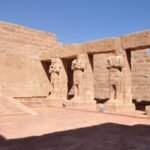
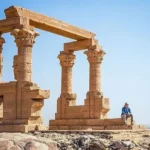
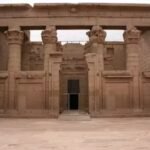
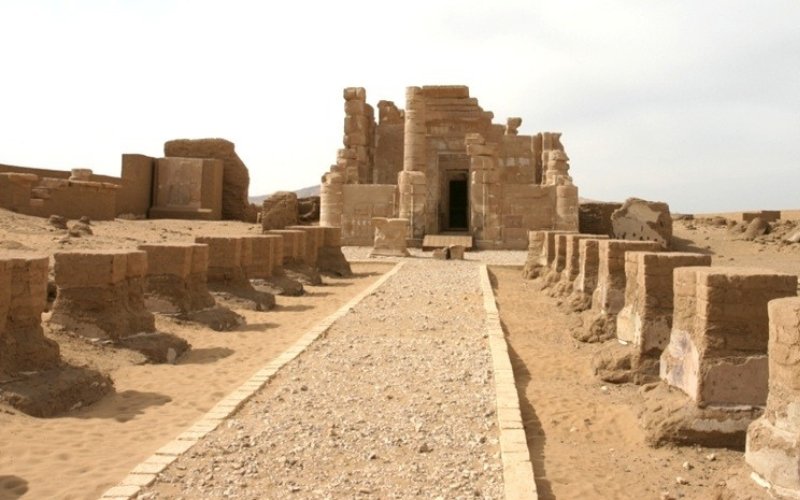
The oasis has a long and fascinating history, stretching back to Pharaonic times. Known as Dakhla Oasis Pharaoh, the region contains tombs, temples, and settlements that reflect ancient Egyptian civilization’s reach into the desert. Visitors interested in archaeology and history find the ruins of Deir al-Hagar and Qasr ad-Dush particularly compelling. These sites offer insights into desert life and ancient architecture, showcasing the ingenuity of past civilizations in adapting to harsh environments.
Dakhla’s cultural heritage is equally rich. The local population, often living in mud-brick villages, maintains traditional lifestyles and practices that have been preserved for centuries. Travelers can experience oasis de Dakhla life by visiting markets, interacting with artisans, or learning about date and olive cultivation, which remains central to the local economy.
For modern travelers, Dakhla vacation packages often include a mix of adventure, culture, and relaxation. Activities may range from desert trekking, stargazing, and cycling along palm-lined paths to visits to the Mut Ethnographic Museum, where local customs, crafts, and historical artifacts are displayed. Combining natural beauty with cultural depth, Dakhla Oasis is ideal for travelers seeking a meaningful, off-the-beaten-path destination.
Natural Attractions: Springs, Palms & Desert Landscapes
The natural beauty of Dakhla Oasis is a primary reason it captivates visitors. The oasis is a fertile stretch within Egypt’s vast Western Desert, featuring lush palm groves, date plantations, and natural springs. These green spaces provide a stark and enchanting contrast to the surrounding desert sands. Exploring oase Dakhla allows travelers to experience the oasis’ verdant charm, with opportunities to wander through groves, relax under shaded palms, or enjoy fresh local produce.
One of Dakhla’s most scenic natural features is its hot springs, which attract visitors for their soothing and therapeutic properties. These mineral-rich pools offer a chance to unwind after desert excursions or long drives from Dakhla Egypt towns. Combined with the oasis’ clear skies and expansive landscapes, the hot springs provide a tranquil retreat perfect for reflection and relaxation.
The Dakhla Oasis coordinates indicate a position deep in the Western Desert, which contributes to its isolation and preserved natural environment. Travelers can explore nearby sand dunes, small rock formations, and isolated valleys that offer stunning photo opportunities. Wildlife enthusiasts may spot migratory birds or desert-adapted species, making Dakhla an oasis of both greenery and biodiversity.
Cycling and walking tours are also popular in Dakhla. Following trails between villages, springs, and historical sites allows visitors to experience the oasis intimately. Some paths pass through Bashandi and other traditional settlements, offering a glimpse into local agriculture and daily life. This blend of natural splendor and cultural immersion makes Dakhla unique among types of oasis in Egypt.
Whether visiting on a Western Desert Egypt tour or planning an independent journey, Dakhla’s natural attractions provide a balance of adventure, leisure, and serenity. The oasis invites travelers to connect with the desert landscape in a deeply personal way, making it a destination that lingers in memory long after departure.
Cultural Insights: Life, Traditions & Museums
Dakhla Oasis is rich in culture, providing travelers with a window into centuries of tradition. The local population has maintained many of its customs and crafts despite modern influences. Walking through mud-brick villages like el Dakhla or al Dakhla, visitors can witness artisans creating pottery, weaving textiles, and producing local handicrafts that reflect the region’s heritage.
One of the highlights of cultural exploration in Dakhla is the Mut Ethnographic Museum, which showcases traditional clothing, tools, and artifacts. The museum provides valuable context for understanding how oasis communities have lived and thrived in the desert over the centuries. Visitors can learn about agricultural practices, traditional celebrations, and the ways in which families have adapted to their environment.
Local cuisine is another important aspect of the cultural experience. Dakhla is known for fresh dates, olives, and locally prepared bread and pastries. Travelers can enjoy meals prepared in traditional styles, often using recipes passed down through generations. Food tours or village visits often provide firsthand opportunities to participate in local cooking practices.
Festivals and community events offer additional immersion into local life. These occasions celebrate seasonal harvests, religious events, and historical milestones, allowing travelers to witness authentic traditions. The interactions with locals, whether through markets, guided tours, or personal encounters, provide a deeper appreciation of oasis de Dakhla life.
The cultural richness of Dakhla complements its natural beauty, offering travelers a multidimensional experience. Dakhleh Oasis, another local name for the region, embodies this blend of history, culture, and desert tranquility, making it an unforgettable destination for anyone seeking meaningful exploration.
Adventure & Outdoor Activities in the Desert
Adventure seekers visiting Dakhla Oasis will find plenty to engage with in the surrounding Western Desert. The oasis serves as a gateway to desert exploration, with activities ranging from jeep safaris to camel rides, hiking, and stargazing. The vast desert spaces surrounding the oasis provide both challenge and inspiration for travelers who enjoy outdoor experiences.
Jeep safaris allow visitors to traverse sand dunes, rocky valleys, and fossil-rich areas. Guided tours often include stops at archaeological sites, scenic viewpoints, and natural springs, offering a mix of thrill and education. For those seeking a traditional experience, camel rides provide a slower, more immersive way to explore the desert, echoing the journeys of ancient travelers through the region.
Hiking and trekking are particularly rewarding in Dakhla. Paths leading through el Dakhla oasis offer views of cliffs, valleys, and desert formations unique to the region. Some tours include visits to remote settlements, allowing travelers to observe how locals live in harmony with their environment.
For those interested in geology and history, the Dakhla Oasis Egypt map highlights fossil sites and rock formations, revealing ancient marine life that once covered the area. These natural discoveries make Dakhla particularly fascinating for educational travel or specialized Western Desert Egypt tours.
Stargazing is another highlight. The oasis’ remote location ensures clear skies, free from city lights. Travelers can enjoy spectacular views of the Milky Way, planets, and constellations—a peaceful, almost meditative experience.
Whether engaging in active desert adventures or tranquil observation, Dakhla provides a variety of experiences that satisfy both adrenaline seekers and those looking to unwind amidst nature.
Historical Significance: Pharaohs, Tombs & Ancient Settlements
Dakhla Oasis Pharaoh history is a significant draw for travelers interested in archaeology and ancient civilization. The oasis has been inhabited since prehistoric times and contains sites that date back to the Pharaonic, Greco-Roman, and Islamic periods. Excavations reveal tombs, temples, and artifacts that provide insights into the region’s historical importance.
One of the most notable discoveries is the collection of tombs and mummies in the area, often referred to as part of Dakhla Egypt’s extensive archaeological heritage. These tombs showcase unique funerary practices and illustrate how oasis communities integrated with wider Egyptian culture.
The oasis also features ancient settlements built with mud-brick architecture, reflecting a design suited to the desert environment. Visiting oasi Dakhla Egitto allows travelers to understand traditional construction methods and the adaptation of human life to arid conditions.
Oase Dakhla has served as a hub for trade, agriculture, and religious practices over millennia. Ancient inscriptions, rock carvings, and artifacts tell stories of desert life, spiritual beliefs, and economic activities, making the region a rich field for exploration and learning.
Historical exploration in Dakhla complements cultural and natural experiences, offering a holistic understanding of one of Egypt’s most remarkable desert regions. Travelers often leave with a deep appreciation for the resilience and ingenuity of ancient communities that shaped life in this remote oasis.
Planning Your Visit: Best Time, Accommodation & Tips
The best time to visit Dakhla Oasis is between October and April, when temperatures are mild and comfortable for exploring the desert. Summer months can be extremely hot, making midday activities challenging. Travelers can reach the oasis via Cairo, with a drive of approximately 6–7 hours. Many prefer organized Dakhla vacation packages for convenience, combining guided tours, transportation, and accommodation.
Accommodation options range from luxury lodges to traditional guesthouses. Eco-lodges and desert camps offer authentic experiences with comfort, while modern hotels provide amenities for longer stays. Using a Dakhla Oasis map helps plan lodging and daily itineraries efficiently.
Packing essentials include sun protection, light clothing, sturdy footwear, and reusable water bottles. Evening temperatures can drop, so layers are recommended. Travelers should also carry snacks and essentials for excursions to remote desert sites.
For an immersive experience, combining adventure, cultural visits, and wellness is ideal. Trips can include hot springs, guided village tours, fossil exploration, and historical site visits. Engaging with locals respectfully and learning about their customs enhances the overall travel experience.
By planning thoughtfully, travelers can enjoy the oasis’ full spectrum—from desert adventures and natural beauty to cultural richness and historical exploration. Al Dakhla offers a well-rounded and memorable desert escape for all types of travelers.
Why Dakhla Oasis is a Must-Visit Destination
Dakhla Oasis stands out among Egypt’s types of oasis, offering an extraordinary combination of natural beauty, culture, and history. Its remote location ensures tranquility and authenticity, while its lush landscapes, archaeological sites, and vibrant communities make it a rich travel experience.
The oasis features diverse attractions, from fertile palm groves and hot springs to ancient tombs and rock formations. Travelers enjoy cycling, hiking, desert safaris, and stargazing, making Dakhla suitable for both adventure seekers and those seeking relaxation. Dakhleh Oasis offers a peaceful escape where every visitor can connect deeply with nature and history.
Cultural experiences, including visits to local villages, traditional markets, and the Mut Ethnographic Museum, provide insights into centuries-old practices and lifestyles. Travelers gain an appreciation for how communities have thrived in this desert environment for millennia.
Historical exploration adds further value. Tombs, temples, and mud-brick settlements reflect the ingenuity of ancient civilizations, illustrating how the oasis served as a hub of life, trade, and spiritual activity. Understanding Dakhla Oasis Pharaoh history enriches the journey, connecting the present with the past.
Whether planning Western Desert Egypt tours, booking Dakhla vacation packages, or exploring independently, Dakhla Oasis promises a unique and unforgettable experience. Its combination of adventure, culture, wellness, and history makes it a must-visit destination for travelers seeking authenticity and serenity in Egypt’s deserts.