Temple of Luxor is a monumental site located on the east bank of the Nile River, offering travelers an unparalleled glimpse into ancient Egyptian religious life and architecture. Often referred to as Luxor Temple, this magnificent complex was constructed around 1400 BCE during the New Kingdom, primarily under the reign of Amenhotep III, with later contributions by Tutankhamun and Ramses II. Its central role in festivals and religious ceremonies made it a hub of spiritual, political, and cultural significance in Thebes.
Visitors exploring Luxor Temple Egypt are often amazed by the scale and preservation of its massive pylons, statues, and obelisks. Understanding where is the temple of Luxor located is key for travelers planning their visit, as it sits conveniently near the center of modern Luxor, making it accessible for guided tours and self-exploration.
History of the Temple of Luxor
The Luxor temple history is deeply intertwined with the pharaohs’ quest for divine legitimacy and religious devotion. Initially commissioned by Amenhotep III, the temple underwent expansions under Tutankhamun and Ramses II, reflecting centuries of Egyptian architectural evolution. The complex was central to the Opet Festival, where statues of gods Amun, Mut, and Khonsu were paraded from Karnak Temple to Luxor Temple, emphasizing the pharaoh’s connection to the divine.
For travelers curious about why was the Luxor temple built, the answer lies in both religious devotion and political symbolism. It reinforced the pharaoh’s role as intermediary between gods and humans, cementing authority in the heart of Thebes. Today, facts about Luxor Temple illustrate its ongoing cultural relevance, as it continues to captivate historians, archaeologists, and tourists alike.
Architecture and Layout
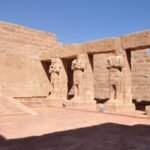
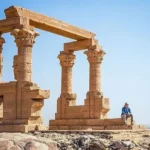
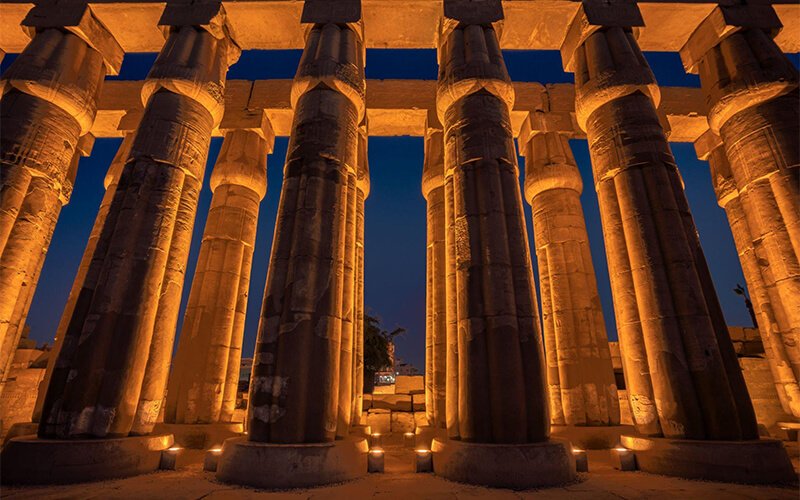
The Luxor Temple construction demonstrates the grandeur of Egyptian design. The complex features monumental pylons, colossal statues of Ramses II, and a hypostyle hall with intricately carved columns. Its layout reflects a deliberate alignment with religious and ceremonial purposes, facilitating processions and rituals during the Opet Festival.
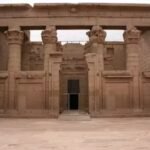
The temple of Luxor includes a courtyard, sanctuary, and chapels dedicated to various deities. Travelers exploring Luxor temples can admire the impressive hieroglyphics, reliefs, and obelisks that highlight stories of gods, pharaohs, and the city’s history. Its architectural sophistication makes it one of the most important and visually stunning temples in Egypt.
Religious Significance
The Luxor Temple was primarily dedicated to the cult of the god Amun, his consort Mut, and their son Khonsu. It played a central role in religious rituals and festivals, particularly the Opet Festival, which celebrated the pharaoh’s divine authority and rejuvenation.
Understanding what activities was the temple of Luxor dedicated to helps travelers appreciate the temple’s spiritual importance. Daily offerings, ceremonial processions, and sacred rituals ensured harmony between the gods, the pharaoh, and the people, reflecting the complex interplay of religion and politics in ancient Egypt.
Major Highlights and Attractions
Visitors to the Luxor temple are drawn to its impressive pylons, statues of Ramses II, and ancient obelisks. The avenue of sphinxes connecting Karnak Temple to Luxor Temple is a remarkable feature, providing a ceremonial pathway for religious processions.
Other highlights include the hypostyle hall with intricately carved columns, chapels dedicated to various deities, and inscriptions detailing pharaonic achievements. For those capturing Luxor temple photos, these features create a visually stunning and historically rich experience.
Fun Facts About Luxor Temple
-
Constructed around 1400 BCE on the east bank of the Nile River.
-
Central to the Opet Festival connecting Karnak and Luxor Temples.
-
Colossal statues of Ramses II dominate the entrance.
-
Features chapels, sanctuaries, and intricately carved columns.
-
Serves as both a religious and political symbol in ancient Thebes.
These Luxor temple facts offer travelers insight into the temple’s enduring historical and cultural significance.
Visiting Luxor Temple
Travelers planning to visit temple of Luxor should allocate 2–3 hours to fully explore the complex. It is conveniently located near Luxor city center, making it easy to combine with Karnak Temple Egypt or other nearby attractions.
Guided tours enhance understanding of Luxor temple history, explaining the significance of rituals, carvings, and architecture. Travelers often ask why is the Luxor temple important, and seeing it in person provides a clear answer through its scale, design, and ceremonial pathways.
Exploring Temple Layout in Detail
The temple of Luxor location includes a grand pylon entrance, open courtyards, hypostyle halls, and inner sanctuaries. Each section reflects a different purpose, from welcoming worshippers to housing sacred statues. Travelers exploring Luxor temples can walk the same ceremonial paths used by pharaohs and priests, gaining an immersive historical experience.
The intricate carvings depict pharaohs’ victories, religious rituals, and offerings to the gods. Understanding what is the Luxor temple allows visitors to appreciate the symbolic and functional aspects of its design.
Photography and Exploration Tips
Capturing Luxor temple photos is best during early morning or late afternoon for optimal lighting. Travelers should wear comfortable shoes, bring water, and plan enough time to explore both the courtyard and inner sanctuaries.
Knowing when was Luxor temple built and who built the Luxor temple enhances appreciation of the carvings, obelisks, and statues, giving visitors context for the temple’s historical and religious significance.
Combining Luxor Temple with Other Attractions
Visitors often pair a trip to the Luxor temple with a visit to Karnak Temple, Luxor Museum, or a Nile river cruise. Planning combined excursions allows travelers to experience the full historical and cultural richness of Luxor Egypt.
Using knowledge of Luxor temple location and proximity to modern Luxor city, travelers can optimize their itinerary, ensuring they have ample time for photography, exploration, and guided tours.
Planning Your Visit – Practical Advice
To make the most of a visit to temple of Luxor:
-
Allocate 2–3 hours for exploration.
-
Combine your visit with Karnak Temple or a Nile cruise.
-
Consider a guided tour to understand Luxor temple history.
-
Arrive early to avoid crowds and enjoy better lighting for Luxor temple photos.
-
Learn facts about Luxor Temple to enhance appreciation of the site’s significance.
The Luxor Temple provides travelers with a unique glimpse into ancient Thebes, offering architectural marvels, historical depth, and cultural insight that make it one of Egypt’s most iconic landmarks.