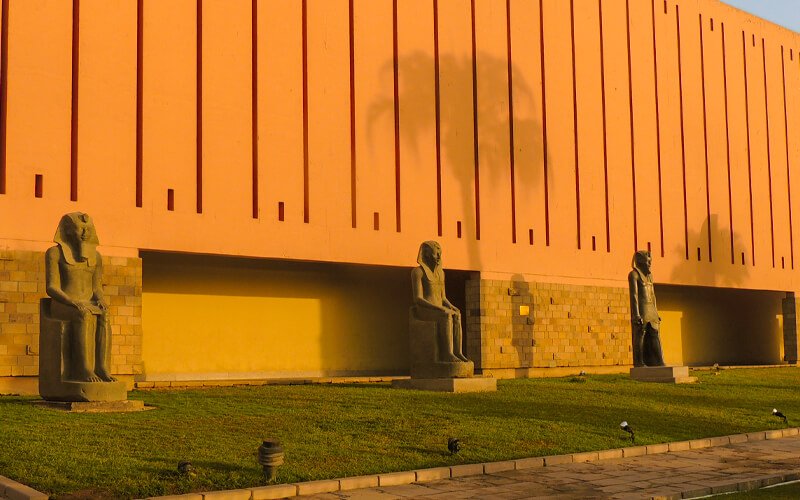
Museum of Luxor stands as a remarkable destination for travelers seeking to experience Egypt’s rich history beyond the monumental temples and tombs. Situated in the heart of Luxor, the museum showcases an extensive collection of Luxor museum artifacts, ranging from statues and mummies to intricate jewelry and sarcophagi. Unlike larger institutions such as the Egyptian Museum in Cairo, the Luxor Egypt Museum offers an intimate experience that allows visitors to appreciate the fine details of ancient Egyptian craftsmanship.
Travelers arriving via cairo luxor flights or planning a day trip luxor from hurghada often choose the museum as a starting point for their exploration of the east and west banks of Luxor. Its strategic location makes it easy to combine a visit with other key attractions, including the Karnak Temple and Luxor Temple, creating a comprehensive cultural itinerary. Understanding the distance from Cairo to Luxor—approximately 500 miles, which can be covered by a 1-hour Cairo to Luxor flight—helps travelers plan their trip efficiently.
History of the Museum of Luxor
The Luxor museum was inaugurated in 1975, designed to present the city’s archaeological treasures in a modern, accessible manner. While the Luxor Egypt Museum is smaller than Cairo’s renowned collection, it provides a carefully curated experience that highlights the significance of Thebes during the New Kingdom. Many of the artifacts were discovered in nearby tombs, temples, and excavation sites, offering visitors a localized view of Luxor’s ancient grandeur.
The museum displays items from the reigns of famous pharaohs such as Tutankhamun, Hatshepsut, and Ramses II, connecting travelers directly to Luxor’s monumental history. For those wondering is Luxor Museum worth visiting, the answer is a resounding yes: it provides insight into royal life, religious practices, and artistic evolution in an environment that is less crowded and more accessible than Cairo.
Architecture and Layout of the Museum
The Museum of Luxor is designed for ease of exploration, with spacious galleries arranged chronologically and thematically. Visitors can experience a smooth transition from Old Kingdom artifacts to New Kingdom masterpieces. The museum emphasizes visibility and preservation, making it easy to examine Luxor museum artifacts such as statues, mummies, and jewelry up close.
The building’s modern architecture complements the ancient treasures within. Large windows provide natural lighting while protecting delicate objects, and display cases are arranged to tell stories of life along the Nile, religious practices, and royal achievements. Travelers appreciate the thoughtful layout, which allows them to navigate the museum without feeling overwhelmed.
Key Collections and Highlights
The Luxor museum artifacts include statues of gods and pharaohs, sarcophagi, funerary items, and jewelry. Notable pieces include the limestone statues of Tutankhamun and an exquisite collection of items from the Merenptah and Thutmose III periods. The museum also houses reliefs and painted fragments from nearby temples, offering a tangible connection to Luxor’s archaeological sites.
The Luxor Egypt Museum provides detailed explanations alongside each piece, helping visitors understand its historical and cultural context. For travelers interested in Egyptian art and history, the museum offers an engaging and educational experience that complements visits to Luxor’s temples and tombs.
Museum’s Role in Preserving Luxor’s Heritage
The Museum of Luxor plays a critical role in preserving artifacts from Luxor and surrounding regions. Many objects recovered from tombs, such as those in the Valley of the Kings and Valley of the Queens, are displayed here to protect them from environmental damage.
By housing Luxor museum artifacts in a controlled environment, the museum ensures that these treasures can be studied and appreciated by generations of travelers. Preservation efforts also involve meticulous cataloging and occasional restoration, making the museum an active center for both tourism and archaeology.
Visiting the Museum – What Travelers Should Know
Travelers planning a visit to the Museum of Luxor should allocate 2-3 hours to fully explore the exhibits. The museum is easily accessible from Luxor city center and can be combined with trips to the nearby Karnak and Luxor temples.
Those traveling from Cairo can take cairo luxor flights or a cairo to luxor flight, while visitors from Hurghada can plan a hurghada to luxor trip, approximately 280 miles, taking around 4–5 hours by car. Understanding how far is Luxor from Cairo or how far is Luxor from Hurghada helps optimize travel schedules.
Guided tours enhance the experience, providing context for artifacts, explaining their historical significance, and answering questions such as is Luxor Egypt worth visiting or is Luxor Museum worth visiting.
Museum Exhibits in Detail
Highlights of the Luxor museum include the collection of statues of pharaohs, funerary artifacts, jewelry, and everyday objects from ancient Thebes. Items from Hatshepsut’s mortuary temple, Tutankhamun’s tomb, and the tombs of other prominent pharaohs are displayed with detailed descriptions.
For those interested in art and culture, the museum offers a chance to examine the craftsmanship of the Egyptian Museum renamed collection and understand how Egyptian society functioned in religious and royal contexts.
Combining a Museum Visit with Luxor Exploration
Visiting the Luxor Egypt Museum can be seamlessly combined with day trips and excursions. Travelers often explore the museum in the morning and then visit the Luxor Temple, Karnak Temple, or take a day trip Luxor from Hurghada.
Understanding how to get to Luxor from Cairo or planning routes from Hurghada using hurghada to luxor distance allows travelers to maximize their time. Combining historical exploration with practical travel advice enhances the overall experience.
Tips for Travelers Visiting the Museum
-
Allocate at least 2–3 hours for a full visit.
-
Combine your visit with other attractions like Karnak and Luxor Temples.
-
Consider guided tours for richer historical context.
-
Arrive early to avoid crowds and enjoy natural lighting for photography.
-
Plan transportation using Cairo to Luxor flight, Cairo to Luxor distance, or road trips from Hurghada.
Museum and Luxor Tourism Insights
The Museum of Luxor enriches the visitor experience by contextualizing Luxor’s monumental temples and tombs. Understanding the connection between artifacts and sites such as Karnak, Luxor Temple, and the Valley of the Kings helps travelers appreciate the region’s full historical depth.
For anyone asking is Luxor worth visiting, the museum provides a compact, accessible way to understand Egypt’s New Kingdom achievements before exploring the city’s sprawling archaeological sites.
Planning Your Visit – Practical Advice
To visit the Luxor museum egypt, travelers should:
-
Book Cairo Luxor flights or plan road trips from Hurghada.
-
Allocate 2–3 hours for the museum.
-
Combine the visit with Luxor’s temples and archaeological sites.
-
Use museum guides to deepen understanding of Luxor museum artifacts and Egyptian history.
-
Consider factors like how far is Luxor from Cairo or how far is Luxor from Hurghada for travel planning.
A visit to the Museum of Luxor is not just an exploration of artifacts but a journey through the heart of ancient Thebes, providing travelers with a rich understanding of Egypt’s past in an accessible and engaging way.